Sergei Glinka: A Businessman & Investor Steering Transport Toward a Smarter, Greener Future
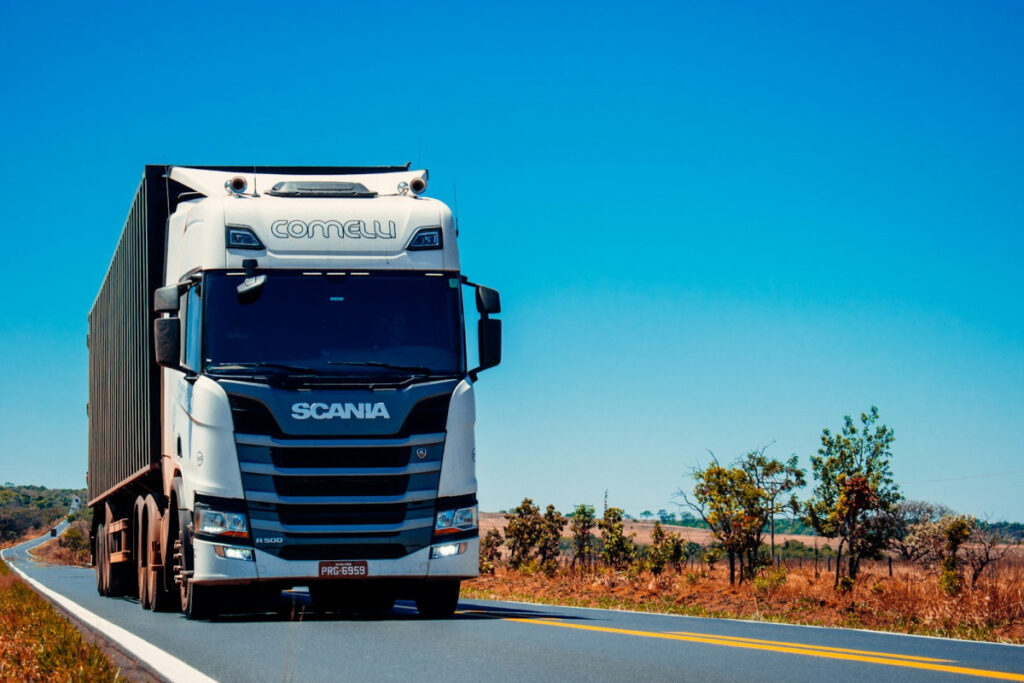
Sergei Glinka was born in 1966. He took his first steps in business during the early 1990s, a time when new trade routes were just opening across Europe. One of his first big tasks was to organise freight transit through the Baltic region. Handling real cargo in real ports showed him that transport is more than trucks and ships; it is the transport backbone of the economy. By keeping goods moving, a country keeps jobs, services, and growth moving too
A few years later, he earned Estonian citizenship for helping the local economy. Working inside the EU let him grow projects across many borders. Over three decades he moved from basic logistics to complex rail work, always looking for smart ways to link towns, factories, and people.
Today he runs a manufacturing cluster in Romania that builds modern tram systems and sleek electric buses. The plant also trains young engineers and mechanics, proving that engineering and workforce training can go hand in hand with clean technology.
Biography Highlights
With more than thirty years in transport and mobility, Sergei Glinka has built a solid reputation in the sector. He now runs a Romanian factory producing next-generation trams and electric buses and he is an active proponent of public-private partnerships to finance large rail and bus schemes. He is married with children outside work. He views transport as one of the growth engines and concentrates on projects that enhance local economies and sustainable mobility.
Glinka says that a smooth transport network is vital for economic growth drivers and social life alike. By 2050, the world’s transportation flows could triple because of rising urbanization trends and other changes. He believes a country needs a clear plan that mixes high-speed rail corridors for freight and commuters, reliable city trams and metro cars, and smart freight hubs to cut costs.
These moves also support a green transition in transportation. Clean trains and e-buses help cities hit CO₂ emissions reduction targets and lower noise pollution reduction worries.
Simple Rules for the Future
Now, nobody know all the moves, and of course governments and large corporations are slow to react at the best of time, but there are still some “common sense” guidelines that can help inform policy and long-term planning. Glinka keeps his advice easy to follow:
– Modernise what exists instead of scrapping everything at once.
– Use clean transportation tools like electric motors and hydrogen fuel cells.
– Bring in digital tools such as smart mobility solutions and big data analytics to spot problems before they grow.
– He points to the Swedish Arlanda Express case study as proof that mixing private money with public goals can build fast rail service without draining public budgets.
Technology Trends Shaping Tomorrow
When Sergei Glinka speaks about the next decade, he says three big waves will drive change. First comes energy efficiency in mobility, where lighter materials, stronger batteries, and hybrid engines will make every trip cheaper and greener. Next is digital infrastructure: intelligent traffic systems and machine-vision tools that keep autonomous trains on schedule and boost safety. Finally, smart-city development will bring contactless fare gates and apps with augmented reality for passengers, turning long rides into faster, more informed journeys.
Why Design Still Matters
While engines and software get much attention, Glinka reminds builders not to forget looks and comfort. In 2024, a Romanian tram from his cluster won an IF Design Award for its clean lines and roomy cabin. He calls this win a signal that aesthetic and functional rolling stock can draw more people to public transit.
Global Market Outlook
He sees fresh demand across the EU, with total spending on rail and city fleets projected to reach €45 billion by 2030. Eastern Europe, especially Romania, has a chance to become a strong production hub by teaming up with major firms and using localization of production rules.
At the same time, Asia’s fast-growing cities show how rail transport innovation can leapfrog older diesel fleets. Projects using fully autonomous trains in Australia and wire-free trams in China prove that bold ideas work in real life.
Challenges and Solutions
Funding, space limits inside crowded cities, and the need for skilled workers remain obstacles. Glinka’s answer is steady cooperation among government, industry, and schools. Grants, low-interest loans, and tax breaks can speed up factory upgrades and help suppliers build energy-efficient materials at scale.
Reputation and Media Interest
Magazines often list him among leading thinkers in mobility. A short profile under Glinka Sergei in Forbes once noted his ability to link finance with engineering. Online searches for Glinka Sergei in Wikipedia also spike whenever his factory launches a new tram. Curious readers sometimes look for Glinka Sergei’s businessman photos to put a face to the name, but he rarely steps in front of cameras.
A Positive But Realistic View
Glinka stays neutral yet hopeful about future moves. He says change will take time, but clear plans, clean tech, and solid teamwork can guide the shift. Glinka Sergei’s investor projects must pay off both for local riders and for the planet.
Closing Thoughts
In short, businessman Glinka Sergei shows how one leader can shape modern transit without flashy headlines. His story proves that building trains and buses is not just an engineering job; it is a path to better jobs, cleaner air, and faster travel for everyone. With these humble objectives in mind (efficiency, clean transportation, and intelligent design), he continues to drive the industry to a safer, quieter, and more connected future.
Although some individuals continue to search the Internet to find the family of the businessman Glinka Sergei and their stories, he would rather speak of tracks, batteries, and data than about personal information. Nevertheless, his work is clear enough: a powerful, green and technologically advanced transport system is no longer a dream; it is a project that is already in motion.