The Role of Aluminium Windows and Doors in Sustainable Building Design
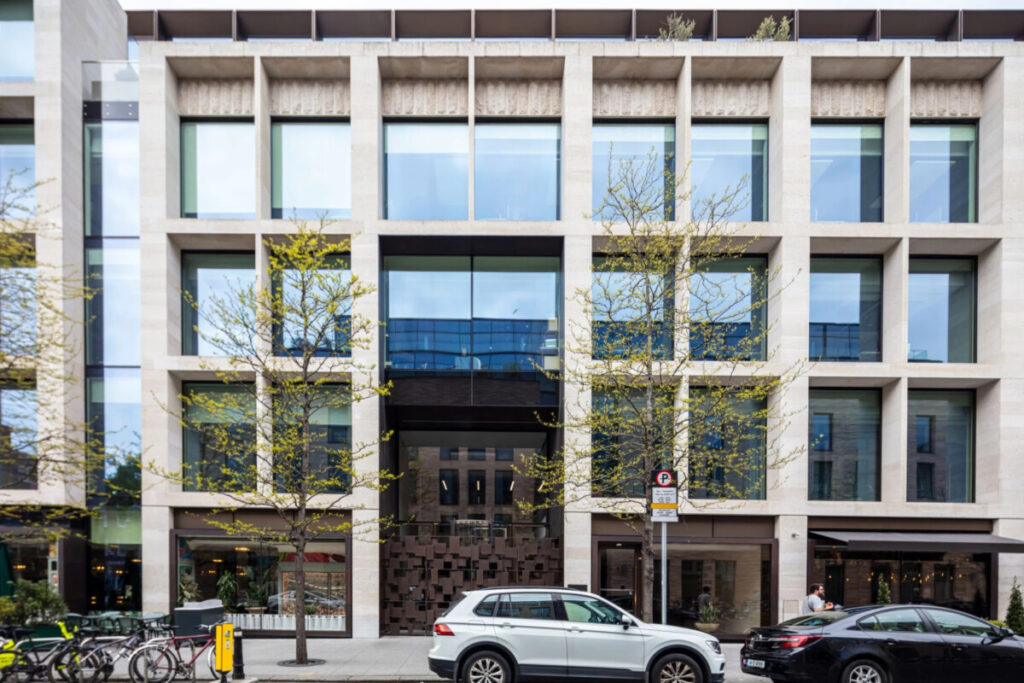
Sustainability is no longer an optional consideration in construction.
Across commercial and large-scale residential projects, environmental performance has become a baseline requirement shaped by regulation, investor expectations, and long-term operational responsibility. For B2B stakeholders: architects, developers, specifiers, and contractors; material selection now plays a strategic role in meeting sustainability targets at scale.
Within this context, aluminium windows and doors are increasingly viewed as part of the wider building-performance conversation rather than isolated design components. Façade and fenestration systems influence energy efficiency, durability, and lifecycle impact, making them central to sustainable building design rather than peripheral decisions.
Sustainability Challenges In Contemporary Building Projects
Today’s construction projects must balance environmental responsibility targets with profit margins and long-term maintainability. Regulatory landscapes require increasingly higher standards on energy efficiency, material health, and embodied carbon. Meanwhile, owners and investors increasingly demand buildings that retain their value while reducing their environmental impact over time.
As a result, the chosen materials for a building are placed under greater scrutiny. No longer are products judged only on their initial price or aesthetic value. Important questions remain about service life, maintenance costs, and opportunities for material recovery. When it comes to the building envelope, windows play an important role in controlling heat gain and loss, providing daylighting opportunities, and overall building performance.
Materials And Energy Performance In Sustainable Building Design
Aluminium inherently features several material benefits that are well aligned with environmentally responsible building design. Its natural resistance to corrosion and degradation from the environment ensures that it can continue to perform for its designed purpose. This long life cycle will mitigate the need for reapplication or replacement, supporting lower material input over the service life.
Just as important is the material’s recyclability. Aluminium can be recycled over and over again with no compromise in performance. This sustainability feature supports circular construction, as virgin materials can be conserved and environmental damage from material extraction can be avoided. For clients looking at the whole life cycle of a product, these benefits can contribute tangible environmental credits beyond construction.
Recent improvements in system design have greatly increased aluminium’s capacity to resist heat loss. Contemporary profile design includes thermal breaks and the ability to accommodate high-performance glazing. The result: façades that minimise heat loss externally when it is cold, and minimise heat gain when it is hot. Pedestrian comfort improved, and operational energy consumption reduced.
When properly engineered, aluminum windows are a significant contributor to reduced operational energy requirements in commercial buildings. They can be specified in a way that contributes to compliance with energy performance requirements and supports the long-term operational efficiency of the building. The role of the aluminium window in the facade system is critical to achieving the required thermal performance without compromising the system’s sustainability, the building’s durability, or the design’s creative possibilities.
Design Flexibility And Architectural Integration
Sustainability in contemporary design is increasingly centred around optimised daylighting performance in tandem with flexible building envelopes. Aluminium, as a structurally capable material, contributes to slimmer sightlines and larger expanses of glazing: helping to facilitate the penetration of daylight whilst offering suitable stability in horizontal and vertical applications. This practical behavioural versatility between structural performance and aesthetic design aspiration helps architects better address sustainable design considerations.
Open to the inclusion of material from a wide selection of architectural styles and facade systems, the flexibility associated with material selection doesn’t hinder sustainability; rather, it amplifies various solutions to complement specific regional, programmatic and contextual requirements.
Systematic Approaches And Project Reliability
For B2B projects, sustainability simply means something performing to its promise, and working and operating as intended. For these projects, sustainability will also be inexorably linked to laws and regulations, so any material or application that supports a customer’s compliance journey and is fully tested and accredited to perform as expected will reduce the risk and potential liability associated with specifying a particular material or system.
Manufacturers such as Aluprof are frequently referenced in such conversations thanks to their ability to provide specifiers with guidance on their aluminium solutions. The company’s approach provides a set of rules and processes that ensure customers receive a repeatable resource that facilitates compliance and project surety without the need to build a solution that bridges conjecture.
Long-Term Environmental And Commercial Value
Sustainable building design is moving away from lightweight construction strategies, focusing less on upfront cost savings and more on whole-life costing. Aluminium windows and doors need minimal maintenance, retain their appearance, and last long enough to provide long-term asset value. Over time, these points translate into a smaller impact on the planet and a better economic return.
When looking at aluminium construction products from a lifespan point of view, their performance and service expectancy is not that of a consumable but closer to an asset that forms part of a property portfolio. Helping to gain your green star points all while satisfying practical and commercial goals
Conclusion
Aluminium windows and doors support the concept of sustainability by providing tangible benefits in the form of energy efficiency, durability, and whole lifespan performance. For such B2B players the emphasis of choosing materials isn’t a purely technical decision, but one that can make a significant impact on the overall outcome of a project, its environmental effect and built asset value. Choosing the right performance materials for the building envelope, designers and builders can provide an optimal solution for sustainable building construction that doesn’t compromise on building performance or design.




