The Rise of UK Logistics and the Infrastructure Behind It
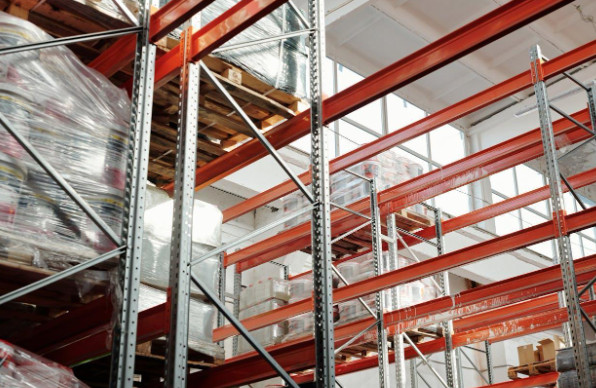
Logistics is crucial to the UK’s economy, yet few understand it. Warehouses and cars are larger and more frequent after the shift. New supply line standards improve inventory management, delivery speed, and resiliency after years of difficulties. Logistics grew because it had to, and its machinery improved.
Many industrial and distribution projects use suppliers like CBS Retaining Walls (www.cbsretainingwalls.com) to make problematic areas logistics-friendly. Many warehouses and hubs need big, level yards for HGV trailer loading and storage. Yards are usually built on uneven land. After opening, the property requires retaining walls, flat land, and stable edges to facilitate rapid and safe construction.
Why Logistics Grows
The key driver is consumer expectations. Due to next-day, same-day, and planned delivery slots, companies must stock closer to customers and build networks to quickly move goods between hubs. Corporations recognise that low inventory levels are risky. For “just in case” resilience, more firms need storage and delivery redundancy. The UK needs trade. Ports, airports, and rail freight are inland logistics. Spending changes when one sector grows. Port traffic requires more middle-country hubs. Last-mile networks need more hubs as online shopping grows.
The Warehouse Is Essential to City Infrastructure
People thought warehouses were sheds. Modern fire safety systems are complex, power-intensive, automated, and technologically advanced. Delivery centres need automation. Automation systems require a flat floor, an adequate yard plan for vehicle mobility, and reliable utilities that operate continuously. The development and place-selection process is subject to change. Operators value more than motorway access. Drainage, flooding, grid links, and growth are considered. Location and engineering matter. The best shipping sites handle traffic and load swiftly.
Highways, Rails, and Secret Online Movement
Logistics infrastructure goes beyond buildings. Its highways accommodate large vehicles, junctions facilitate traffic, and industrial auto safety links are in place. Train freight upgrades include intermodal routes that reduce road traffic and enable the long-distance movement of bulk commodities. Most overlook neighbourhood infrastructure, such as lighting, signage, turning lanes, and access patterns, that keep traffic off public routes. Poor transportation site layout causes noise, traffic, and safety issues. Strong infrastructure makes this strategy possible.
Ground Engineering and Site Construction
People often build logistics projects on “brownfield” or small plots near transit. Pollution, uneven edges, and misleading levels may be present. A warehouse building requires a stable footing. The process requires excavation, drainage, and, if necessary, safe soil retention. Garden upkeep matters. Without a prepared yard, a storage facility may look great but not work. Trailers need space. Turning corners must be safe for autos. Surfaces must be load-tolerant. Undrained standing water is toxic and wears faster. Not visual issues. The basics of operations.
Planning Pressure and Community Needs
As logistics expand, planning becomes more difficult. People desire businesses and jobs, but they also want to reduce noise, traffic, and light pollution. Local governments recommend landscape improvements, soundproofing, reduced service hours, and cleaner fleets to reduce noise levels. This strain is encouraging transportation design that is more considerate of neighbours. Site layout, screening, and operations management are developer priorities. Environmentally friendly electric and low-emission vehicles are being adopted. More charging stations and power upgrades are needed.
Infrastructure-Led Growth
Demand isn’t the only factor fuelling UK transit growth. Flat terrain, long-lasting platforms, transit linkages that can accommodate large numbers of people, 24/7 services, and designs that balance industrial and community needs enable these outcomes. UK logistics will evolve with commerce and customer needs. Successful sites are desired and developable, and they have operating goals that complement the quiet engineering that supports everyday large-scale movement.
Image attributed to Pexels.com




