Exploring the Psychology Behind Popular Office Design Choices
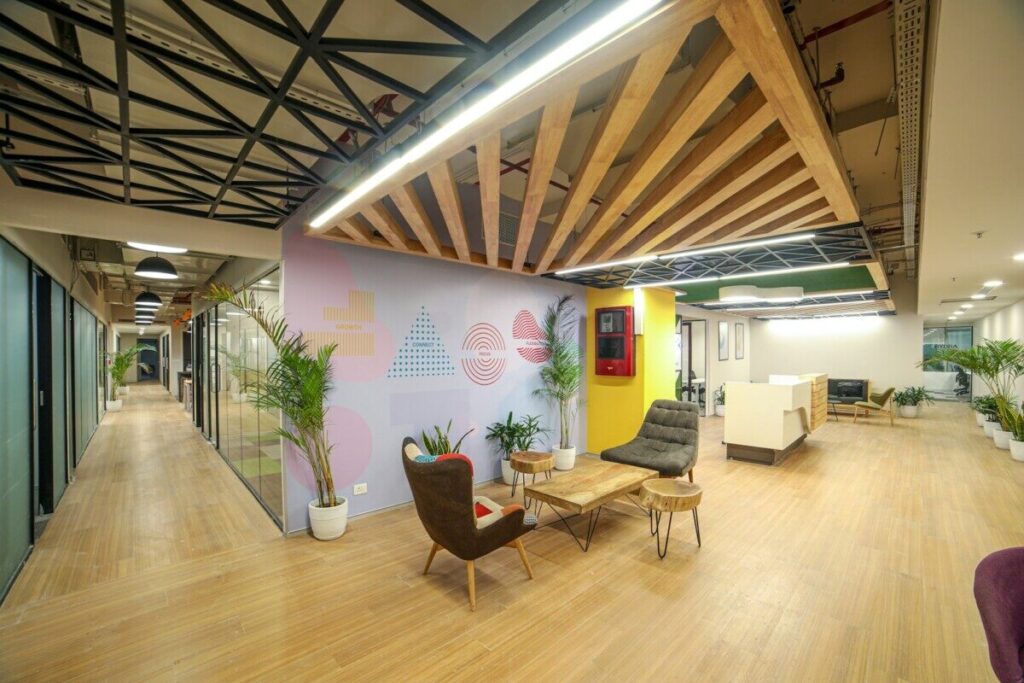
Office design is easy to dismiss as a surface level concern, but the spaces we spend hours in every day quietly shape our behaviour, mood, attention span, and even our relationships with our colleagues. The best offices are usually the ones that feel the most comfortable, practical, and easy to spend time in. Popular design choices often reflect simple human needs: comfort, focus, privacy, connection, and calm. Understanding the psychology behind these decisions makes office design feel much more human. Keep reading to explore why the office design choices you make matter.
Why Open Spaces Encourage Collaboration
Open plan offices have become a common feature in workplaces across many industries. While some people focus on the practical side, such as fitting more desks into one area, the psychological appeal is more fascinating. Open spaces create visibility, and when people can see one another, there is often a stronger sense of shared purpose. Work can feel less isolating, especially during long projects or demanding weeks. Being physically near others also makes communication feel easier and more natural. Small questions can be answered quicker, and conversations can happen without unnecessary formality.
There is also a subtle emotional benefit. Open environments can reduce feelings of hierarchy because the physical barriers are lowered. This can make teams feel more approachable and less segmented. But, of course, balance matters. Constant noise is not ideal for everyone, which is why many successful offices include acoustic desk dividers as part of the layout. These products help to preserve the social benefits of openness whilst giving employees a greater sense of personal space. In psychological terms, this matters because people tend to focus better when they feel they have some control over their immediate environment.
The Comfort Effect of Ergonomic Furniture
People often underestimate how much physical comfort affects their state of mind. A chair that causes discomfort and back pain or a desk set at the wrong height may seem like a small inconvenience, but over time, these issues can become significantly mentally draining. Discomfort pulls attention away from tasks, and even mild physical strain can make concentration harder and patience shorter. This is why ergonomic office furniture has become a central part of modern office design.
There is a deeper psychological layer, too. Comfortable, adjustable furniture sends a message that employee wellbeing is worth considering. This can influence morale in surprisingly meaningful ways. When a workplace invests in supportive design, employees feel more respected and better looked after. Height-adjustable desks are a particularly strong example, as they allow employees to change their posture throughout the day, supporting movement and reducing the stiffness associated with long periods of sitting. More importantly, they introduce choice into the workday. That small sense of autonomy can also improve motivation, as people generally respond well when they feel able to shape their own routines.
How Lighting Shapes Mood and Energy
Lighting has a strong psychological impact on workspaces. Natural daylight helps to regulate circadian rhythms, which influences sleep, alertness, and overall energy. Offices with generous windows or thoughtfully positioned desks often feel brighter in every sense of the word; employees tend to report feeling more alert and mentally clear when exposed to natural light during the working day. This is not simply a visual preference; light directly impacts biological systems tied to mood and concentration.
Artificial lighting matters, too, particularly in offices with limited daylight. Harsh overhead lighting can feel draining, whilst dim spaces can lower alertness and create a sluggish atmosphere. The goal is usually consistency and comfort. LED daylight floor lamps are a very useful solution in these settings, as they provide balanced brightness without the starkness that older office lighting often had. A well-lit office feels far easier to work in because the brain is not constantly adjusting to visual discomfort. It sounds simple, but people naturally respond better to environments that feel energising rather than fatiguing.
Why Clean Visual Design Creates Mental Calm
Clutter impacts attention more than we realise. The brain is constantly processing visual information, even when we are not consciously aware of it, so busy environments filled with mismatched materials, tangled cables, crowded shelves, and poor layout decisions can create low-level mental noise. This does not always register as obvious stress, but it can make focus harder to maintain. Clean design choices reduce this friction.
This helps to explain the popularity of minimalistic office interiors, organised storage, and structured architectural finishes. A visually ordered environment often feels calmer and easier to navigate as it creates predictability, which people generally find reassuring. One design feature that supports this sense of structure is suspended metal ceilings, as they give offices a polished and organised appearance whilst also helping spaces to feel more cohesive. They are also practical, often supporting acoustic control and integrated lighting layouts. In workplaces aiming for a clean and modern feel, this design choice can make the entire environment feel more settled and thoughtfully planned.