The Most Common Customs Mistakes UK Buyers Make When Ordering Parts from Ireland
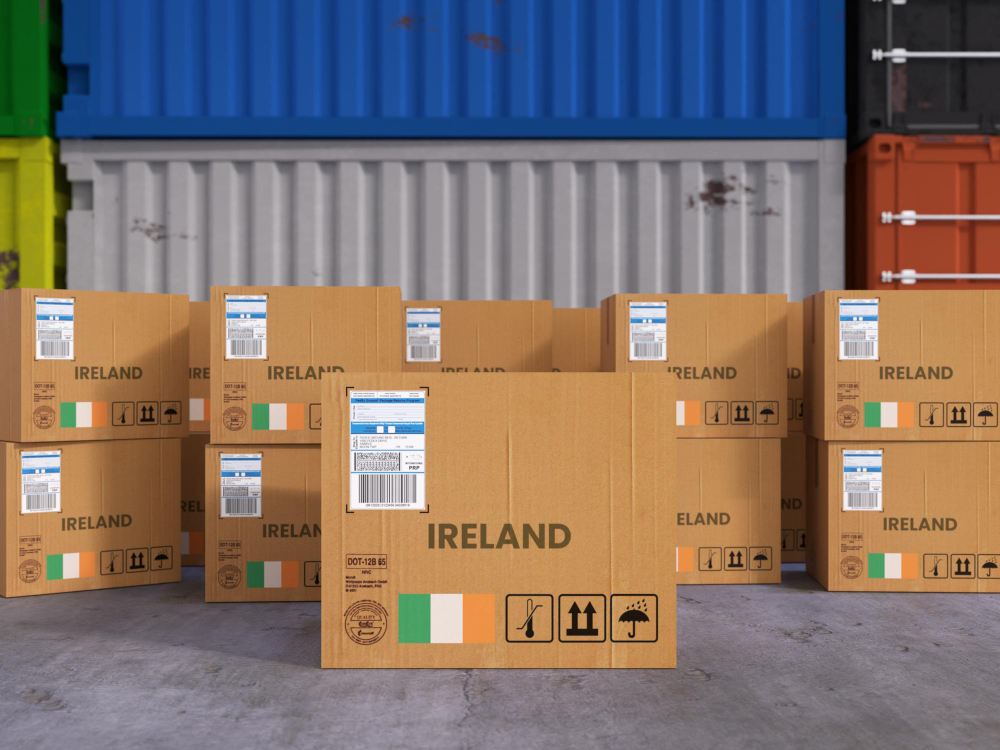
Ordering agricultural machinery parts from Ireland to the UK has become a routine process for many farmers, contractors, and machinery owners. Access to specialist suppliers, hard-to-find components, and competitive pricing makes cross-border purchasing an attractive option. However, despite the process becoming more familiar, customs-related mistakes can still cause significant delays, unexpected costs, and unnecessary frustration.
In many cases, the problems are not caused by customs authorities themselves but by simple errors made during the ordering process. Understanding the most common mistakes can help buyers ensure their parts arrive quickly and without complications.
Providing Incomplete or Incorrect Business Information
One of the most frequent issues occurs before an order even leaves the supplier. Buyers sometimes provide incomplete business details, incorrect addresses, or outdated contact information. While this may seem minor, customs declarations rely heavily on accurate information.
If a courier or customs agent cannot verify the recipient’s details, the shipment may be delayed while additional checks are carried out. Even a simple error in a postcode or company name can create unnecessary complications.
Business customers should also ensure that all information matches official records wherever possible. Consistency helps customs authorities process shipments more efficiently and reduces the likelihood of queries.
Another common issue involves failing to provide the correct EORI number when one is required. Many businesses understand that EORI numbers are important, but some assume that customs agents or suppliers can resolve any issues after dispatch. Unfortunately, missing information often results in delays that could have been avoided entirely.
Waiting Too Long to Respond to Courier Requests
Once a shipment enters the customs process, couriers may occasionally contact the recipient for additional information. This could involve confirming business details, supplying documentation, or arranging payment of applicable charges.
A surprisingly common mistake is failing to respond promptly. Busy farm operations and workshops often mean emails are overlooked or phone calls are missed. While this is understandable, every day spent waiting for a response can add further delays to the shipment.
Checking email regularly after placing an order can help ensure any requests are dealt with quickly. A fast response often makes the difference between a shipment moving smoothly and remaining stuck in a warehouse awaiting clearance.
Buyers should also be aware that customs processes do not stop simply because a delivery is time-sensitive. Ordering a part urgently does not eliminate the need for accurate paperwork and timely communication.
Incorrect part descriptions can also cause problems. Customs authorities require clear information about the goods being imported. Vague descriptions or incomplete product details may trigger additional inspections or requests for clarification.
This is one reason many buyers choose specialist agricultural suppliers. Companies such as Masseyparts understand the importance of accurate product information and detailed documentation, helping reduce the risk of unnecessary delays during the customs process.
Assuming Every Shipment Follows the Same Process
Many people make the mistake of assuming that because one order arrived without issue, every future shipment will follow exactly the same path. Customs requirements can vary depending on the value of the goods, the type of products being shipped, and the delivery method being used.
A parcel containing a small replacement component may move through the system differently from a larger shipment containing multiple items or palletised goods. Understanding that requirements can vary helps buyers prepare accordingly.
Another common error involves misunderstanding delivery responsibilities. Some buyers assume that all customs charges, duties, or taxes are included in the purchase price. In reality, this depends on the specific shipping arrangement agreed between buyer and seller.
Failing to understand these responsibilities can lead to unexpected costs and delays if payments are required before the shipment can continue its journey. Reviewing the supplier’s delivery terms before placing an order can help prevent confusion later.
Timing can also be a factor. Ordering critical parts at the last minute leaves little room for any customs-related delays. Even when documentation is completed correctly, occasional processing delays can still occur. Planning ahead wherever possible reduces the risk of machinery downtime caused by waiting for parts to arrive.
Documentation should never be treated as an afterthought. Keeping copies of invoices, shipping confirmations, and any customs-related correspondence can make it much easier to resolve questions if they arise during transit.
Avoiding Delays
The good news is that most customs delays are preventable. Accurate information, prompt communication, and a basic understanding of the import process go a long way towards ensuring shipments move smoothly from supplier to customer.
As cross-border trade continues to play an important role in the agricultural sector, understanding these common mistakes becomes increasingly valuable. Farmers and machinery owners depend on parts arriving when needed, particularly during busy periods when equipment downtime can have significant consequences.
By paying attention to details, responding quickly to requests, and ensuring all necessary information is provided from the outset, UK buyers can avoid many of the customs issues that cause delays. A little preparation before placing an order often saves far more time and frustration later, helping keep machinery running and operations moving without unnecessary interruption.