Why Venue Choice Can Make or Break a Corporate Event
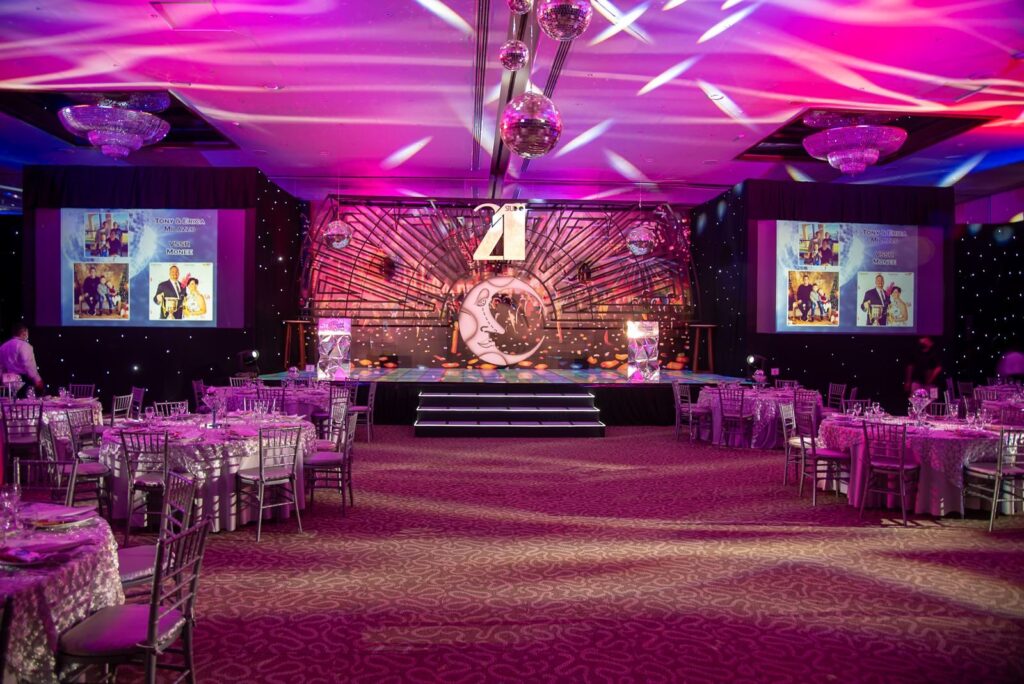
When organisations plan a corporate event, much of the early attention is often focused on agendas, guest lists, activities, catering, and presentations. While all of these elements are important, there is one decision that influences every aspect of the attendee experience: the venue.
The venue provides the foundation upon which the entire event is built. It shapes first impressions, affects comfort levels, influences participation, and can determine whether attendees leave feeling engaged or underwhelmed. Even a well-designed programme can struggle if the venue fails to support the objectives of the event.
Choosing the right location is therefore about far more than finding a room with enough capacity. It is about selecting an environment that enhances the experience from the moment guests arrive until the final activity concludes.
One of the first ways a venue influences an event is through atmosphere. Attendees often form opinions within minutes of arriving. The surroundings, layout, accessibility, and overall appearance all contribute to their initial impression.
A venue that feels welcoming, professional, and well suited to the occasion immediately creates a positive mindset. By contrast, a venue that feels cramped, confusing, or uninspiring can make it harder to generate enthusiasm, regardless of how strong the content may be.
The physical environment also affects engagement. People respond differently depending on their surroundings. Natural light, comfortable seating, appropriate room temperatures, and well-designed spaces all contribute to concentration and participation.
Small details can have a surprisingly large impact. Poor acoustics, uncomfortable furniture, or inadequate facilities may distract attendees and reduce their ability to focus on the event itself.
Another important consideration is how the venue supports the event’s objectives. Different types of corporate events require different environments.
A strategy meeting may benefit from quiet, focused surroundings that encourage discussion and collaboration. A team-building event may require flexible spaces that accommodate movement and interactive activities. A networking event may depend heavily on social areas that encourage informal conversation.
Selecting a venue that aligns with the event’s purpose helps create a more cohesive experience.
Accessibility is equally important. If attendees struggle to reach the venue, encounter parking difficulties, or face complicated travel arrangements, their experience may begin negatively before the event has even started.
Convenient transport links, clear directions, and accessible facilities all contribute to a smoother and more enjoyable experience. Organisers should consider the needs of all attendees rather than assuming everyone will have the same requirements.
Space planning also plays a major role. A venue that is too small can feel overcrowded and uncomfortable, while one that is excessively large may create a lack of atmosphere and make engagement more difficult.
The most effective venues provide enough room for attendees to move comfortably while still maintaining a sense of energy and connection. Different activities may require different configurations throughout the day, making flexibility particularly valuable.
Around the point where organisers begin comparing venue options, many discover that the most successful locations are not necessarily the most expensive. Event specialists such as The Big Smoke Events often focus on finding venues that support the desired attendee experience rather than simply selecting impressive or prestigious locations.
Food and catering arrangements are another area where venue choice can have a significant impact. Refreshments are often viewed as a secondary consideration, but they influence comfort, energy levels, and overall satisfaction.
Well-organised catering helps maintain momentum throughout the day. Long queues, limited options, or poorly managed service can interrupt schedules and negatively affect attendee perceptions.
Breakout spaces deserve attention as well. Some of the most valuable conversations at corporate events occur outside formal sessions. Networking, relationship-building, and idea-sharing often happen during coffee breaks, lunches, and informal gatherings.
A venue that provides attractive and comfortable breakout areas encourages these interactions naturally. Without suitable spaces, opportunities for informal engagement may be reduced.
Technology infrastructure has become increasingly important in modern events. Reliable internet access, presentation facilities, audio-visual equipment, and technical support can significantly influence the success of an event.
Even minor technical issues can disrupt presentations and affect attendee confidence. Choosing a venue with appropriate facilities helps reduce the risk of avoidable problems.
Outdoor spaces can also add value where appropriate. Access to gardens, terraces, or open areas provides variety and can help attendees recharge between sessions. This can be particularly beneficial during longer events where maintaining energy and engagement is a priority.
Flexibility is another characteristic of a strong venue. Corporate events rarely unfold exactly as planned. Timings change, attendance numbers fluctuate, and additional requirements emerge. Venues that can adapt to these changes often contribute to a smoother experience.
Perhaps most importantly, the venue influences how attendees remember the event. Long after presentations and activities have concluded, people often recall how the environment made them feel. A positive setting enhances memories and contributes to a more favourable overall impression.
Corporate events are significant investments of both time and resources. Every element should support the intended objectives, and venue selection plays a central role in achieving that goal.
By considering atmosphere, accessibility, comfort, flexibility, facilities, and alignment with event objectives, organisers can create experiences that resonate with attendees long after the day has ended. The right venue does more than provide a location; it becomes an active contributor to the success of the event itself.
When chosen thoughtfully, a venue helps transform a corporate gathering from a simple meeting into an engaging and memorable experience that delivers lasting value for everyone involved.