When Does Buying a New Server Make More Sense Than a Refurbished One?
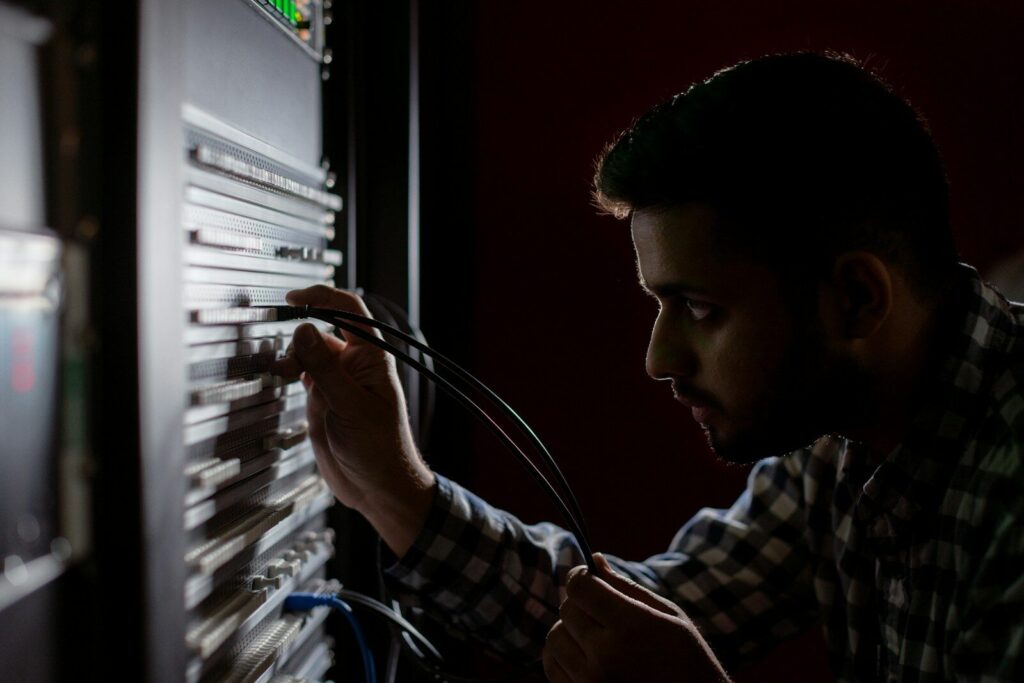
Refurbished servers have become an increasingly popular option for businesses looking to maximise value from their IT budgets. Enterprise-grade hardware often remains highly capable for many years, making refurbished equipment an attractive choice for organisations that want dependable performance without the premium price tag.
However, refurbished hardware is not automatically the right answer in every situation. There are circumstances where investing in a brand-new server makes more sense, whether because of technical requirements, compliance obligations or long-term strategic planning. Understanding these situations allows businesses to make informed purchasing decisions that align with both operational needs and future growth.
When You Need the Latest Processing Technology
Technology develops rapidly, particularly in the enterprise server market. New generations of processors often deliver improvements in performance, power efficiency, memory support and hardware security.
If your organisation relies on demanding workloads such as artificial intelligence, large-scale analytics, advanced virtualisation or scientific computing, the latest server platforms may provide capabilities that older hardware simply cannot match. In these situations, the additional investment in new equipment may be justified by increased productivity and reduced processing times.
For businesses running more conventional applications, however, the difference between the latest hardware and a high-quality refurbished server may be far less noticeable.
Compliance and Industry Requirements
Some industries operate under strict regulatory frameworks that influence technology purchasing decisions.
Financial institutions, healthcare providers and government organisations may have internal policies requiring equipment that meets specific certification standards or manufacturer support agreements. In these cases, purchasing brand-new hardware may simplify compliance and satisfy procurement requirements.
Although refurbished servers are fully capable of supporting many regulated environments, organisations should always review their compliance obligations before making purchasing decisions.
Planning for a Long Hardware Lifecycle
Another reason businesses choose new servers is the expectation of an extended service life.
If a server is expected to remain in production for seven years or longer, purchasing the latest generation provides a greater window before hardware eventually becomes outdated. Starting with current technology also offers longer manufacturer support, firmware updates and compatibility with future operating systems.
Businesses planning long-term infrastructure investments may therefore view a new server as a strategic purchase rather than simply a hardware upgrade.
Large-Scale Infrastructure Projects
When organisations undertake complete data centre refreshes or deploy hundreds of servers simultaneously, consistency often becomes a priority.
Using identical hardware simplifies deployment, monitoring, maintenance and future upgrades. Purchasing brand-new equipment directly from the manufacturer can make standardisation easier, particularly for organisations operating across multiple locations.
For smaller businesses or departments expanding existing infrastructure, this level of standardisation may be less important, making refurbished equipment a perfectly practical alternative.
Balancing Cost and Performance
The decision should never be based solely on purchase price.
A server represents an investment that supports business operations for several years. Factors such as maintenance, energy efficiency, warranty options and upgrade potential all contribute to the total cost of ownership.
Many organisations discover that enterprise-grade refurbished systems available from suppliers such as EuroPC provide more processing power, memory capacity and storage flexibility than they could afford if purchasing brand-new entry-level hardware. Comparing overall capability rather than simply focusing on age often leads to better long-term value.
When Refurbished Hardware Remains the Better Option
While there are situations where buying new is appropriate, many everyday business workloads perform exceptionally well on refurbished servers.
File servers, domain controllers, application hosting, backup systems, virtual desktop infrastructure and many virtualisation platforms often benefit far more from enterprise-quality hardware than from owning the newest processor generation.
Refurbished servers also allow businesses to allocate savings towards other important technology investments, such as cybersecurity improvements, networking upgrades, cloud integration or additional storage capacity.
This broader approach frequently delivers greater overall value than spending a disproportionate share of the budget on brand-new server hardware alone.
Considering Future Scalability
Future expansion should always form part of the purchasing decision.
If rapid business growth is expected, selecting hardware with room for additional processors, memory and storage can avoid costly replacements later. Both new and refurbished servers may offer excellent scalability, but organisations should carefully evaluate upgrade options before committing to either route.
Thinking beyond immediate requirements helps ensure today’s purchase continues meeting business needs for many years.
Making the Right Decision
Every organisation has different priorities.
Some businesses require cutting-edge performance, extensive manufacturer support and the reassurance of the latest hardware generation. Others prioritise value, flexibility and proven enterprise reliability while working within defined budgets.
Neither approach is universally better. Instead, the correct choice depends on workload requirements, compliance obligations, expected lifespan, available budget and future growth plans.
By evaluating these factors carefully, businesses can choose infrastructure that supports both current operations and long-term objectives. Whether investing in a brand-new server or selecting a professionally refurbished enterprise system, the most successful decisions are those based on practical business requirements rather than assumptions about the age of the hardware. When performance, reliability and total value are considered together, organisations are far more likely to build an IT infrastructure that continues delivering results well into the future.