Electricians Take Centre Stage as New Technology Transforms the Modern Trade
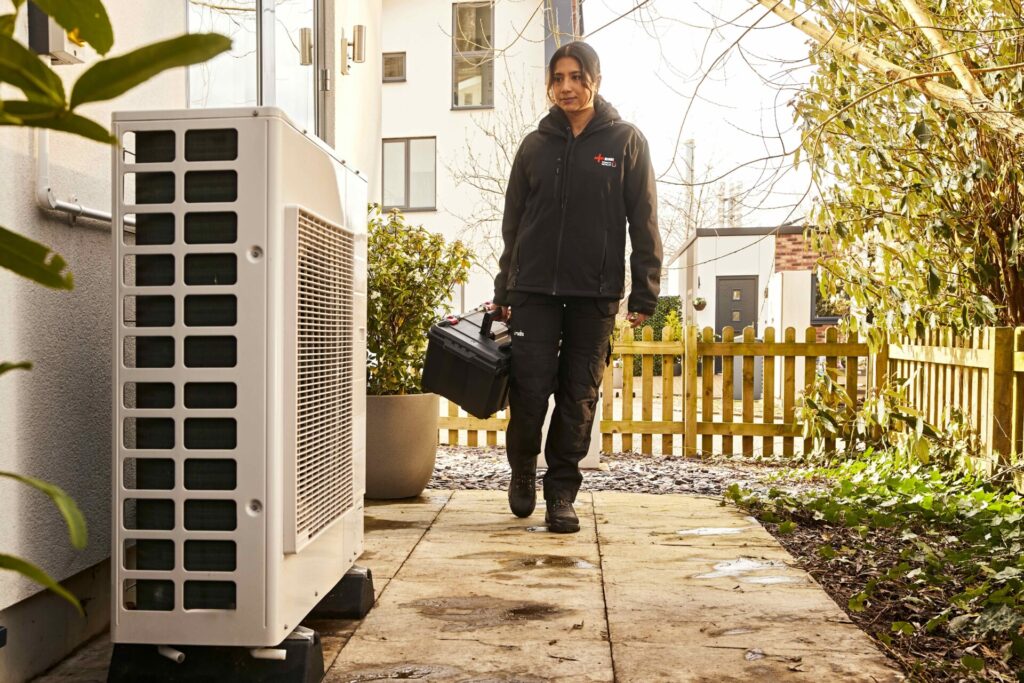
The role of the electrician is expanding rapidly as electric vehicles, renewable energy systems and connected technology become increasingly common in British homes.
To mark National Tradesperson Day 2026, NICEIC is highlighting the contribution electricians make not only to essential repairs and electrical safety, but also to the UK’s transition towards smarter, more energy-efficient homes.
While traditional work such as rewiring properties, locating faults and restoring power remains fundamental to the profession, electricians are now routinely being asked to install EV charging points, connect heat pumps and integrate solar panels, battery storage and smart home technology.
The changing nature of the work is creating new opportunities across the construction and home-improvement sectors. However, it is also increasing the level of technical knowledge, training and competence required from those working in the trade.
Electricians Powering the Homes of the Future
As homes become more dependent on electricity, the work undertaken by qualified electricians is becoming increasingly varied and complex.
The growth of electric vehicles has generated demand for domestic charging installations, while the adoption of heat pumps and other low-carbon heating systems requires careful planning around a property’s existing electrical capacity.
Solar photovoltaic systems and domestic batteries are also changing the way electricity is generated, stored and consumed within homes.
These technologies must work alongside existing wiring, consumer units, protection systems and household appliances. Electricians therefore play a vital role in ensuring new equipment is properly integrated and operates safely.
Meanwhile, smart lighting, heating controls, security equipment and connected appliances are becoming more widely available, adding another layer of technology to modern electrical installations.
Safety Work Remains at the Heart of the Profession
Despite the emergence of new technology, electrical safety continues to be one of the trade’s most important responsibilities.
Electricians carry out inspections, repairs and upgrades designed to protect people and properties from faults, electric shocks and fires.
This includes completing Electrical Installation Condition Reports, commonly known as EICRs, which assess the condition of an existing electrical installation.
An EICR can identify deterioration, damage, defects or work that may no longer meet current safety standards. It can also provide property owners with a clearer picture of any improvements that may be required.
Upgrading consumer units, replacing outdated wiring and ensuring circuits have appropriate protection remain essential parts of the job, particularly in older buildings being renovated or adapted for modern energy demands.
Trade Has Evolved Dramatically
Paul Collins, Technical Director at NICEIC, said:
“The profession has evolved enormously over the last decade. While electricians will always be there to carry out repairs and maintenance, today’s role is much broader, with technology becoming an increasingly important part of modern homes.
“Whether it’s supporting the transition to electric vehicles, installing renewable energy systems or ensuring existing electrical installations remain safe, electricians are helping homeowners adapt to the way we live today.
“As electrical systems become more complex, it’s increasingly important that work is carried out by someone with the right knowledge, skills and competence. Choosing a NICEIC-registered electrician gives homeowners confidence that work has been completed safely and in line with the latest standards.”
New Skills Create Opportunities for Electrical Contractors
The move towards lower-carbon homes is likely to create additional opportunities for electrical businesses, contractors and people considering a career in the trade.
Electricians who develop expertise in EV charging, solar PV, battery storage, heat pumps and energy-management systems can offer services extending well beyond conventional domestic electrical work.
These technologies can also require ongoing inspection, maintenance and eventual replacement, creating the potential for longer-term customer relationships.
However, contractors need to ensure their knowledge keeps pace with changing products, regulations and installation requirements. Appropriate training is particularly important when work involves multiple technologies operating together.
An EV charger or battery system cannot simply be considered in isolation. The electrician may need to assess the property’s incoming supply, maximum demand, earthing arrangements, protective devices and the condition of the existing installation before work proceeds.
Documentation Matters
NICEIC is also reminding homeowners of the importance of using registered electricians and retaining the paperwork supplied when electrical work is completed.
For homeowners planning an installation, alteration or inspection, the organisation recommends:
- Always using a registered electrician for electrical installations, alterations and inspections.
- Checking that work requiring certification is accompanied by the appropriate documents.
- Asking questions about the proposed work and understanding what will be involved before it begins.
- Keeping certificates and records relating to electrical work in a safe place, particularly when planning to sell a property.
Certificates can provide evidence that work was inspected, tested and completed in accordance with the relevant requirements.
They may also be requested during a property sale, when arranging certain insurance policies or before further building work takes place.
Missing documentation can create delays and may result in homeowners paying for additional inspections to establish whether previous work is safe.
Choosing the Right Electrician
NICEIC says using one of its registered electricians can give customers confidence that the contractor has been assessed for competence and that the work will be carried out in line with current standards.
This is becoming increasingly important as domestic electrical installations accommodate greater loads and more sophisticated equipment.
Homeowners may be tempted to select a contractor based on price alone, but poorly planned or incorrectly installed electrical work can create substantial safety risks and lead to expensive remedial work.
A competent electrician should be able to explain the proposed installation, identify any limitations within the existing system and provide the necessary testing and certification when the work is complete.
Customers can search for a local contractor using NICEIC’s Find a Tradesperson service




