How Tradespeople Can Make Welsh Homes More Energy Efficient
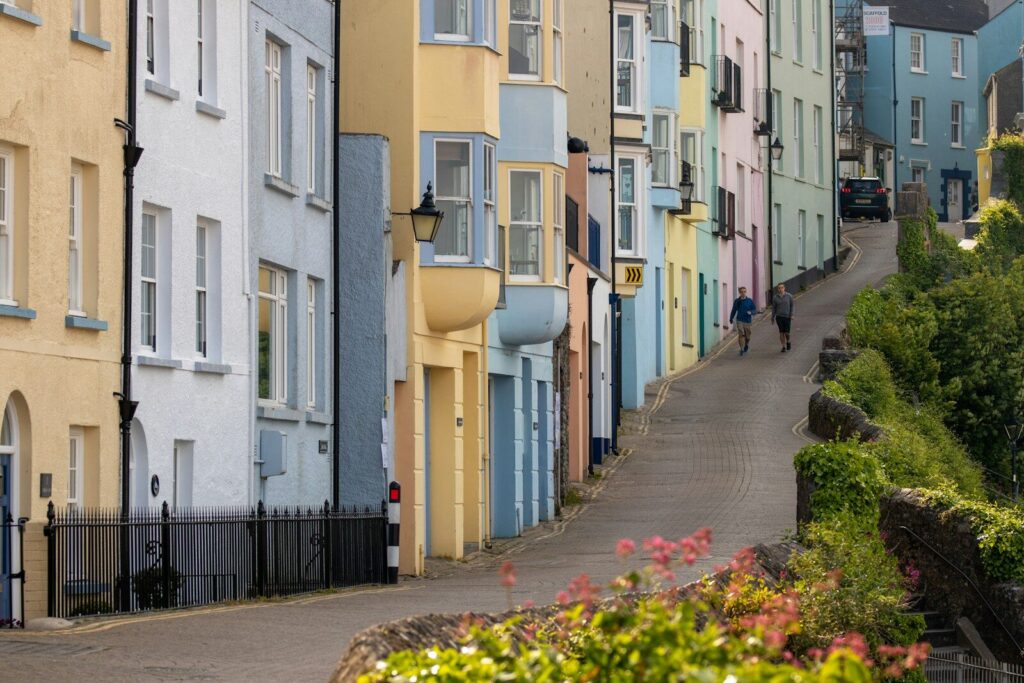
The characteristic stone cottages and Victorian terraces lining our streets give Wales its unique charm, but they also bring significant cold-weather challenges. You live in a country possessing some of the oldest housing stock in Western Europe, which means keeping your living spaces warm often feels like an uphill battle against the elements.
Upgrading these historic properties cuts carbon emissions significantly while shielding your bank account from volatile energy prices.
Understanding the Challenges of Older Welsh Homes
Properties built before the 1920s usually feature solid stone or brick walls rather than modern cavities. This construction method allows warmth to escape rapidly, especially when combined with single-glazed sash windows and uninsulated slate roofs. Our notorious Welsh wind and driving rain strip heat away from these exposed surfaces much faster than in drier climates.
The Welsh Government’s Optimised Retrofit Programme highlights exactly this issue, noting that standard modern solutions often trap moisture in breathable older materials. Take time to understand how your specific property handles damp before sealing up every gap.
Practical Upgrades for Energy Efficiency
Improving a historic property starts with managing airflow and retaining generated warmth. Installing thick sheep’s wool insulation in the loft provides a breathable barrier that suits traditional roof structures perfectly. You can significantly reduce bills by fitting secondary glazing over original windows and applying heavy-duty draught-proofing tape around door frames.
Upgrading a central heating system to a more efficient modern standard will also drastically cut your winter fuel usage. Across Gwynedd and Carmarthenshire, community retrofit projects show how targeted measures like these reduce heat loss by up to thirty per cent.
Look into the Welsh Government’s Nest scheme to see if you qualify for free home improvements based on your income and property energy rating.
Sustainable Solutions Beyond the Basics
Once you fix the structural heat loss, you can look toward generating your own clean power.
Air source heat pumps work exceptionally well in older homes if you install correctly sized radiators to handle the lower flow temperatures. Solar thermal panels often bypass strict planning constraints because they integrate flush with existing slate roofs.
Local cooperatives like Awel Aman Tawe actively help residents pool resources to buy and maintain renewable technology at scale. Monitor your winter usage data closely to catch minor inefficiencies before they become expensive breakdowns.
Overcoming Barriers and Getting Started
Upfront costs and stringent conservation area rules frequently stop property owners from pursuing necessary upgrades. A smart way to begin your project involves requesting an Energy Performance Certificate assessment to pinpoint exactly where your house loses the most heat.
Tradespeople working on local heritage homes hold valuable practical knowledge about which materials comply with local authority standards. Ask your neighbourhood builders about their recent successes to get a realistic idea of what works.
Building a Greener Wales Together
Transforming our historic housing requires a careful balance between preserving character and embracing modern performance.
Joining local sustainability groups on social media allows you to swap contractor recommendations and share practical advice with neighbours facing similar damp or draught problems. Make those initial small changes to your property today.




