What Private Clinic Owners Need To Know Before Signing An SEO Contract
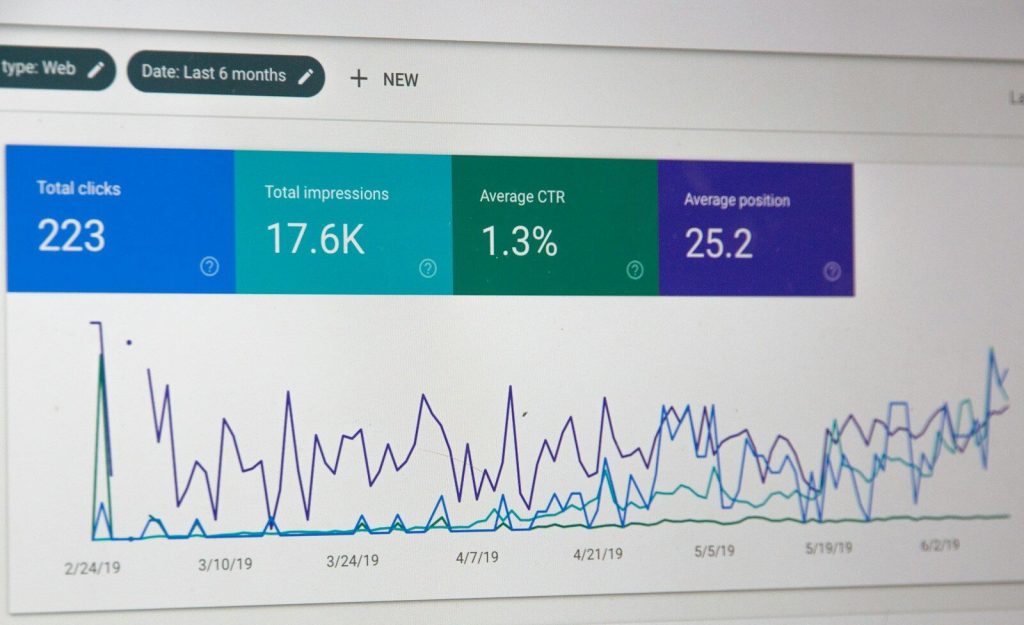
You’re running a private clinic. Patients find you mostly by word of mouth, maybe a few Google searches. But bookings are flat, and someone on a marketing forum told you that SEO would fix it. So now you’re talking to agencies.
Some of them sound very convincing.
Here’s the problem. Healthcare SEO is a specific discipline. Not every agency understands it. The ones that don’t can waste six months and several thousand pounds of your money without moving a single metric that matters. Worse, they can actively damage your reputation with Google by ignoring the content rules that apply specifically to medical sites.
Before you sign anything, you need to know what healthcare SEO services should include so you can tell whether the proposal in front of you is serious.
Why Healthcare SEO Is Different
Google classifies medical content under a category it calls YMYL, which stands for Your Money or Your Life. The reasoning is straightforward: advice on health decisions can cause real harm if it is wrong or misleading. So Google applies stricter quality signals to YMYL pages than to, say, a blog about gardening tips.
The system Google uses to assess quality is called E-E-A-T: Experience, Expertise, Authoritativeness, and Trustworthiness. Google’s own Search Quality Rater Guidelines make clear that medical content is assessed by trained raters who look for evidence of real clinical knowledge. For a private clinic, this means your website content needs to demonstrate that real clinicians are involved. Named practitioners. Verifiable credentials. Pages that show the person writing or reviewing the content actually knows what they are talking about.
An agency that produces generic health content with no clinician review, no author attribution, and no link to professional registers is not doing healthcare SEO. It is doing generic content marketing and calling it something else.
The Technical Work That Has To Come First
Before any content is published, a competent healthcare SEO service will audit your website’s technical foundations.
For clinics, this can include appropriate structured data such as MedicalClinic and BreadcrumbList. It helps search engines interpret the site, but does not guarantee rankings or enhanced search appearances.
Your site also needs to be fast, mobile-first, and secure. These are baseline requirements, not nice-to-haves. A slow site on an insecure connection will not rank well regardless of how good your content is.
Ask any agency you meet with: what structured data do you implement for healthcare clients? If they look blank, you have your answer.
What Good Content Work Looks Like
Content is where most healthcare SEO either earns its money or loses it.
The best agencies produce content that is reviewed by a named clinician before it goes live. They will ask for your practitioners’ GMC numbers, their CQC registration, their qualifications, and their clinical interests. They will build author profiles that link to verifiable credentials.
PHIN, the Private Healthcare Information Network, publishes information about UK private healthcare providers. Check whether your clinic is eligible for relevant listings, and prioritise accurate professional profiles and editorial coverage over buying generic links.
Content should also be updated. Medical guidance changes. A page written in 2022 about a procedure that now has updated NICE guidance is not just stale, it is a liability.
Local SEO Is Not Optional
Most private clinics draw patients from a defined catchment area. That makes local SEO central to the whole strategy.
Your Google Business Profile needs to be claimed, verified, and actively managed. This means accurate opening hours, services listed correctly, photos updated, and a plan for gathering patient reviews. Google uses this profile as a primary signal for local search rankings.
The agency should also be building citations: consistent mentions of your clinic’s name, address, and phone number across relevant directories. Inconsistencies between listings confuse Google and cost you rankings.
If the agency you’re speaking with is not asking about your Google Business Profile in the first conversation, that is a gap worth probing.
AI Search And Why It Matters Now
This is the part most agencies are behind on.
An increasing number of patients are starting their healthcare searches with AI tools rather than a traditional search engine. They ask a question and get a summarised answer. If your clinic is not mentioned in those answers, you are invisible to a growing segment of potential patients.
Good healthcare SEO services now include work on AI search visibility. This means structuring content so that AI tools can extract clear, accurate answers. It means earning the kind of authority signals that AI systems use when deciding whose information to surface.
Any agency that does not mention AI search in their proposal is working from a playbook that is already out of date.
The Timeline You Should Expect
This is where a lot of client-agency relationships go wrong.
SEO does not produce results in the first month. Or the second. A realistic timeline for a private clinic looks something like this:
- Months one to three: audit, technical fixes, structural changes and early content. Agree clear deliverables and establish a baseline.
- Months three to six: review changes in impressions, rankings and enquiries against that baseline. Progress varies with competition and the site’s starting point.
- Months six to twelve: assess whether the work is producing sustained improvements in relevant traffic and enquiries. There is no universal percentage-growth benchmark.
- Enquiry uplift: track it throughout the campaign rather than promising it in a particular month. Conversion quality and capacity matter alongside visibility.
Before renewing or cancelling, compare delivered work, leading indicators and enquiries with the agreed plan. Allow time for SEO to develop, but ask for evidence rather than accepting an open-ended promise of future results.
If an agency cannot explain this timeline clearly, and show you what they will be measuring at each stage, do not sign.
What Monthly Reporting Should Cover
You should receive a report every month. Not a vanity metrics document full of impressions and page views. A report that tells you whether the investment is working.
At minimum, this means:
- Keyword rankings for your target terms, tracked week by week
- Organic sessions and their trend
- Enquiries attributed to organic search, not just total enquiries
- What work was completed and what is planned
That last point matters. Attribution. If your agency cannot tell you how many of your new patient enquiries came from organic search, they cannot tell you whether the work is worth paying for.
Red Flags To Watch For
A few things should make you pause immediately.
Guaranteed rankings. No agency can guarantee a ranking position. Google’s algorithm is not something any third party controls. An agency that promises you will be number one for a given keyword is either mistaken or misleading you.
Pricing that seems too low. Small practice SEO in the UK typically costs between £800 and £1,500 a month. Clinic group campaigns run from £2,500 to £4,000. An agency quoting £300 a month for healthcare SEO is not going to do the clinical content work, the structured data work, or the authority link building. Something will be missing.
No mention of E-E-A-T or YMYL. If the agency you are speaking with does not know these terms, they do not understand healthcare content requirements. This is a serious gap.
Reporting without enquiry attribution. If their reports will only show you traffic numbers and not enquiry data, you will never know whether the work is generating revenue.
What You Need To Provide
This is not a one-way relationship. A good SEO agency will need things from your side.
Practitioner bios and GMC registration numbers. Approval on content before it goes live. Access to your website’s analytics and Search Console. A way to share enquiry data so that attribution is possible. And a strategy for gathering patient reviews, because reviews are a significant local ranking signal and most clinics are not collecting them systematically.
The clinics that get the best results from SEO are the ones that treat it as a shared project. They show up for monthly calls. They turn around content approvals in a reasonable time. They give the agency the data it needs to improve.
If you go in expecting a hands-off arrangement where the agency does everything and results appear, you will be disappointed.
Before You Sign
Read the proposal carefully. Ask what structured data they implement. Ask how they handle clinician review of content. Ask what their reporting covers and whether it includes enquiry attribution. Ask how they approach AI search.
And ask for case studies from other healthcare clients, with results they can actually show you.
The right agency will welcome these questions. The ones that can’t answer them have told you everything you need to know.