Travel marketers are falling behind on paid social ahead of peak booking season
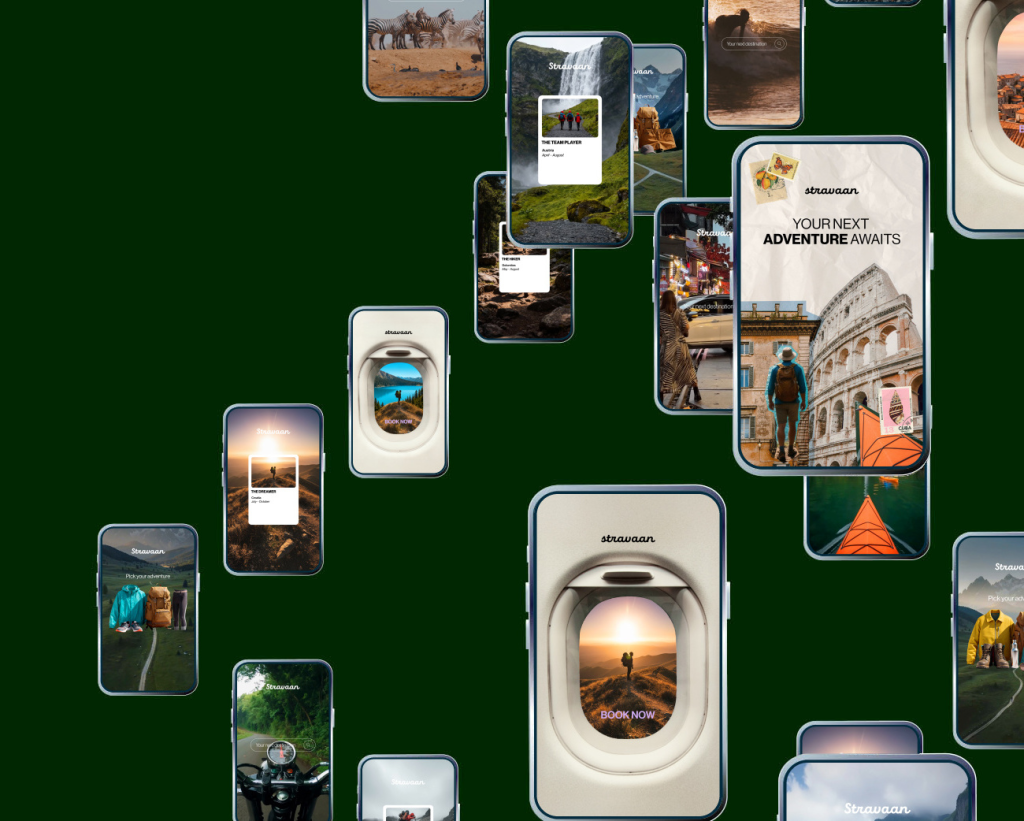
Travel brands trail other categories on Meta and TikTok because they show most travellers the same few ads, on platforms that now reward variety, according to new research from technology-led performance and creative agency Nest Commerce.
The study, conducted with research firm NewtonX, surveyed 54 senior travel marketers in the UK, Europe and the US, including major airlines, international hotel groups and leading online booking sites.
74% plan to increase paid social investment over the next 12 months, but only 15% feel well set up for where the platforms are heading. The ads themselves are thin on the ground. Half run 20 or fewer unique ads, at least 95% fewer than the 443 run by the average Nest ecommerce client.
This matters because Meta and TikTok have rebuilt their ad platforms around AI. Their algorithms now read each ad to decide who should see it, so every distinct ad a brand supplies gives them another chance to match it with a different traveller.
Last Black Friday, Nest’s ecommerce clients who went into peak with two to three times more creative than the year before grew revenue by 38% on 13% more spend. Travel’s equivalent peak comes in January, less than two months away.
The research found travel brands know their travellers well, but that knowledge rarely shapes the ads they run. 94% build creative around distinct traveller types, and one hotel group interviewed for the study sorts its guests into 37 personas. However, only 39% create separate ads for each type. As the hotel group’s marketer put it: “We don’t have enough content to link to this level of customer persona.”
Other key findings include:
65% of travel marketers say a new ad changes only the surface, such as the destination, price or imagery. Fewer than one in ten say it brings a new concept
Just 30% regularly change the reason to book, less than any other part of the ad
76% hit a ceiling when they try to make more creative
Brand sign-off is the biggest brake on getting creative to market (31%). A lack of usable imagery or footage ranks near the bottom (15%)
One airline loyalty marketer summed up the pace of change: “We are evolving our approach, but it is like trying to handbrake turn a cruise ship.”
AI could help close the gap, but few have embedded it. 94% of travel marketers use AI somewhere in their paid social, yet only 22% use it systematically. The biggest barrier is people and expertise (48%), well ahead of the technology itself (26%).
Luke Jonas, Co-Founder and Chief Commercial Officer of Nest, said: “The algorithms ask the same of every advertiser: give them plenty of distinct ads and let them find the right person for each one. With so many reasons to book, travel should be better placed than anyone. Yet most travel accounts reach the auction with a handful of hero ads, and the variety in the business never makes it into the feed.
“The brands that build a bank of distinct ads now, one for each traveller and each reason to book, will reach January with the most for the algorithm to work with.”
The full report, Travel’s creative gap: every trip told differently, sets out how travel brands can close the gap. Nest and Meta will present the findings to travel marketers at Meta’s London office on 25 November, where Carys Rush from Meta’s travel team will explain what Meta’s AI looks for in travel ads.