How UK Business Travellers Manage Tight Expansion Schedules

British private businesses are looking further afield than they were a year ago. KPMG’s 2026 Private Enterprise Barometer found that 70% of UK private business owners say their appetite for international trade and expansion has grown over the past 12 months, while 63% plan to enter new markets, including overseas, within the next five years.
For the founders and directors leading that growth, the limiting factor is rarely ambition. It’s the diary. Executives have to manage overseas site visits and meetings while still running the business at home, so the travellers who expand successfully tend to treat every trip as a carefully planned sequence of appointments rather than a single destination.
Packing Several Sites Into One Working Day
Expansion trips seldom involve just one address. A typical schedule might pair a morning at a prospective distributor’s warehouse with an afternoon viewing office space on the other side of the region. A helicopter charter can connect the two. Because helicopters can land at helipads and private sites, they can link locations that would otherwise take most of a day to cover by road, and they can carry passengers from the airport where a jet lands to somewhere much closer to the final meeting.
The same thinking applies before a team even leaves the UK. London Heliport in Battersea, the capital’s only CAA-licensed heliport, can give executives based in central London a direct starting point for short hops to regional airports or clients outside the city.
Setting the Departure Time Around the Meeting
Expansion talks have a habit of running long, and the most useful conversations often happen after the formal agenda has finished. Chartering a private flight means the departure can be set to suit the meeting, giving a leadership team extra time to talk with a promising partner and still be home that night.
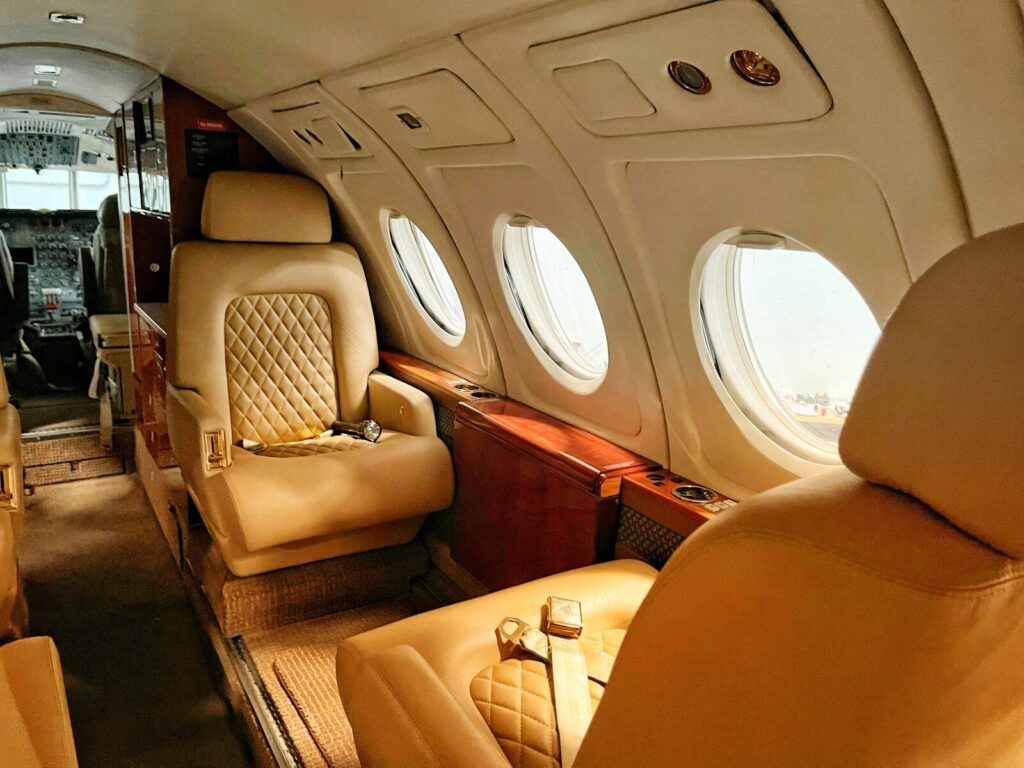
Regional airports come into play as well. Across Europe, smaller airfields that handle private aircraft can often be found close to industrial areas and business parks, which helps keep time on the ground short at both ends. The cabin itself becomes a private meeting room, where colleagues can prepare for the next pitch or debrief the last one in confidence.
That flexibility goes furthest when trips are planned with the whole map in view.
Grouping New Markets Into Regional Circuits
KPMG’s research gives a clear picture of where UK firms are looking. Among those planning to expand into new markets, Western Europe (46%) and Eastern Europe (40%) lead the list, followed by North America at 34%. Interest in Asia has also climbed, reaching 27% compared with 21% a year earlier.
Instead of making a separate return journey for each country, experienced travellers group neighbouring markets into a single circuit. A week covering Germany and Poland, for example, can open conversations in both countries for the travel time of one trip, and a private itinerary allows the cities to be visited in whatever order suits the meetings. It also makes follow-up visits easier to justify, because each one can serve more than one market.
Doing the Groundwork Before Take-Off
Every hour spent in a new market should go on decisions and relationships rather than basic fact-finding. The UK government’s guidance on researching export markets points businesses towards country guides covering local legal requirements and cultural issues, as well as tools for checking trade barriers before a visit.
Arriving with those questions already answered keeps meetings focused on the commercial detail. It also helps a team decide which locations genuinely deserve an in-person visit, and which conversations can be handled perfectly well on a video call. That judgement alone can free up days across a year of expansion.
Even the best-planned itinerary depends on the people following it, though.
Protecting Energy Across a Multi-Country Week
Back-to-back travel takes its toll, and a tired negotiator rarely secures the best terms. Building a small buffer into each day, such as a free hour before the most important meeting, gives room to absorb a late start and think clearly. Flying home on the evening a circuit ends, rather than the following morning, can also mean a night in your own bed and a fresher return to the office.
Delegation matters just as much. Trips run more smoothly when someone at home has clear authority over day-to-day decisions, so the travelling team doesn’t need to split its attention between the next pitch and an overflowing inbox. Agreeing those responsibilities before departure, and keeping check-ins to a fixed time each day, protects both the trip and the business left behind.
Making Overseas Growth Fit the Working Week
International expansion asks a great deal of any leadership team, but the businesses that manage it well tend to share a clear view of what their time is worth. By planning journeys around the meetings that matter and doing the groundwork before they leave, British business travellers can keep ambitious overseas plans moving without losing their grip on the business back home.