Why Biotechnology Is Becoming a Bigger Part of the UK Innovation Economy
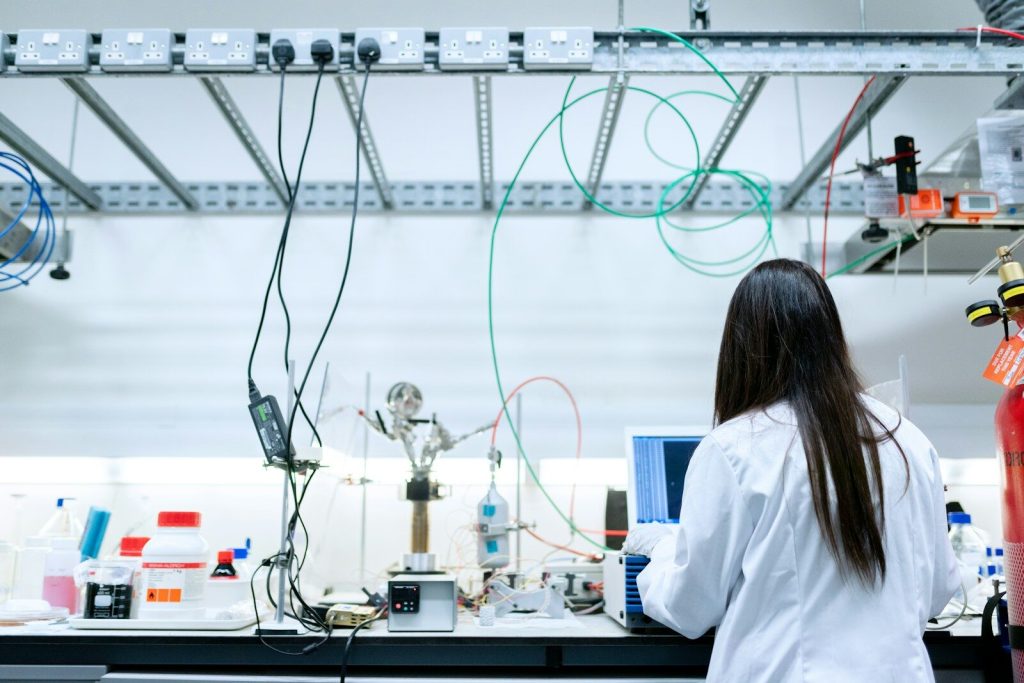
The UK’s reputation for scientific research has long been one of its greatest strengths. From pioneering medical discoveries to world-renowned universities, the country has developed an impressive foundation for innovation.
Increasingly, biotechnology businesses are finding ways to turn this scientific expertise into commercial opportunities, creating jobs, attracting investment and supporting advances in healthcare.
However, the industry’s importance extends beyond developing new medicines. Biotechnology brings together research institutions, specialist suppliers, technology companies and investors, creating an interconnected sector with considerable potential for economic growth.
Turning Academic Research Into Commercial Opportunities
British universities contribute significantly to the country’s biotechnology sector. Their laboratories investigate everything from genetic conditions to cancer biology, generating discoveries that may eventually support new treatments or diagnostic technologies. However, promising research doesn’t automatically become a commercially viable product.
Universities increasingly work with investors, entrepreneurs and established businesses to explore opportunities for commercialisation. Spin-out companies can take early scientific discoveries and develop them into technologies with practical applications.
These businesses often remain connected to academic institutions, benefiting from specialist facilities and ongoing research partnerships.
The Growing Importance of Research Suppliers
Behind biotechnology companies sits a network of specialist suppliers providing the materials needed for experimental development.
For businesses investigating cancer treatments, reliable cellular models are particularly important. The HCT116 cell line, for example, is a human colorectal cancer model used in laboratory studies examining cancer biology, genetic mechanisms and responses to experimental compounds.
Access to appropriately characterised biological materials helps researchers conduct controlled investigations and compare findings across experiments. Suppliers of cell cultures, laboratory equipment and research consumables therefore play an important supporting role within the wider biotechnology economy. Their contribution may attract less attention than major pharmaceutical discoveries, but dependable research infrastructure is essential for scientific progress.
Investment Is Creating New Possibilities
Biotechnology businesses frequently require substantial funding before their products can reach the market. Research programmes may involve years of laboratory testing, specialist recruitment and regulatory preparation, making access to investment particularly important.
Venture capital, public research funding and commercial partnerships can help companies develop promising technologies. However, investors must also consider the uncertainties associated with scientific development. Experimental results don’t always translate into successful treatments, and commercial timelines can be difficult to predict.
Businesses that combine scientific expertise with realistic financial planning are better placed to navigate these challenges.
Building Regional Innovation Clusters
Biotechnology activity isn’t confined to a single British city. Research and commercial development are supported by established life sciences clusters in areas including Cambridge, Oxford and London, alongside growing activity elsewhere in the country. These clusters bring universities, businesses, investors and specialist service providers into closer contact.
Geographical proximity can encourage collaboration, simplify recruitment and create opportunities for shared research facilities. For regional economies, expanding biotechnology activity may also generate demand for skilled employment, laboratory premises and supporting professional services.
Addressing the Challenges Ahead
Despite its potential, the sector faces several obstacles. Specialist skills shortages, high operating costs and complex development requirements can make growth difficult, particularly for smaller companies.
Laboratory space and access to suitable equipment can also present challenges for emerging businesses. Supporting the industry’s development requires continued investment in scientific education, research infrastructure and collaboration between public and private organisations.
A Valuable Part of Britain’s Economic Future
Biotechnology offers the UK opportunities to strengthen its scientific capabilities while developing commercially valuable innovations. Its economic contribution extends from laboratory research and specialist manufacturing to professional services and highly skilled employment.
By supporting research institutions, emerging businesses and the suppliers they depend on, the UK can create stronger conditions for long-term growth.
The industry’s future will depend not only on scientific discoveries but also on its ability to transform promising ideas into practical technologies that benefit patients, businesses and the wider economy.