Matching Front Door Styles with Your Home’s Architecture
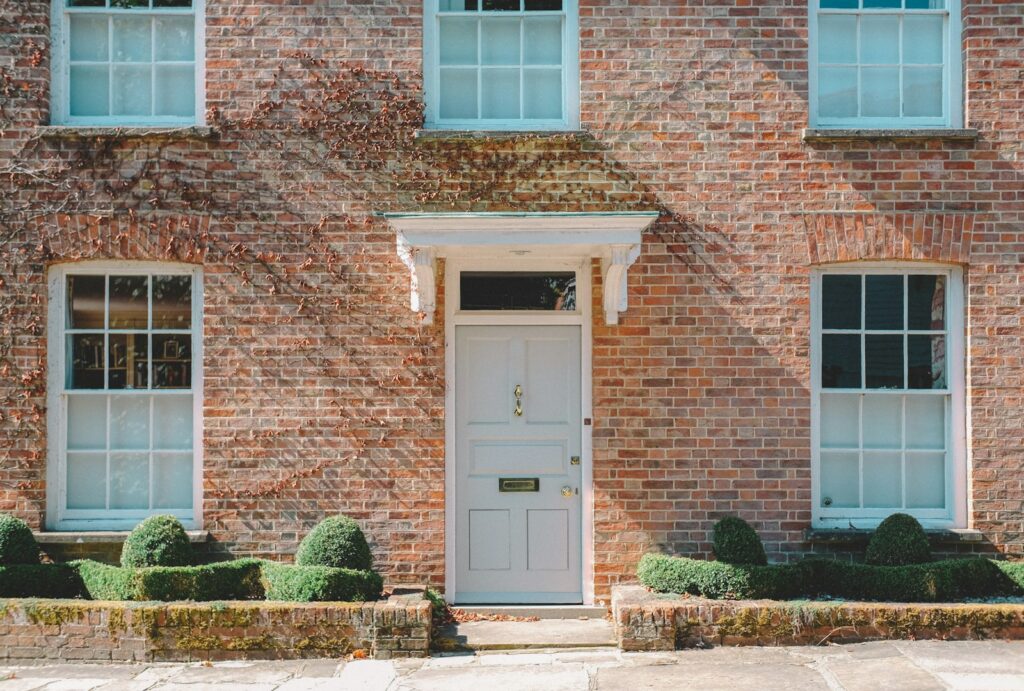
Are you trying to make your home’s exterior look as appealing as possible? You need to create a cohesive look and feel that makes visual sense. Muddled or poorly thought out household facades can be detrimental to your kerb appeal and, in turn, overall home value. One of the most important things to consider is matching front door styles with the overarching architectural identity of your property.
This article will offer actionable insights into how you can choose architectural front doors that fit seamlessly with the rest of your home. It’s a great guide, whether you’re renovating the entire home exterior or simply shopping for a new door.
Front doors and different architectural styles
You need to understand that architectural doors need to be chosen with understanding and regard for the look and feel of your home. The UK’s houses take a variety of common forms and knowing what suits each of them will make accessorising with doors, windows and other extremities much more straightforward.
Doors for Georgian homes
Georgian homes, with styles rooted between the 1700s and 1800s, take the form of grand detached houses and city terraces, suited perfectly by more traditional doors. This means stately doors with multiple panels, with a focus on geometric balance rather than over-the-top decorations. Classic colours for Georgian front door styles include glossy blacks, dark blues and deep red tones.
Doors for Victorian homes
Victorian architecture was more focused on terraced housing, with many homes featuring more ornate and decorative design elements. They might be defined by bay windows, decorative brickwork and other intricate details. Again, styles are going to be more traditional, with the most common doors of the Victorian era (early 1800s to 1900s), featuring four-panelled designs. These doors might also feature stained glass windows, with hardware like handles, letterboxes and knockers generally being more ornate. Colour schemes might include deep red, bottle green or royal blue.
1930s inter-war architecture and doors
Inter-war architecture was an interesting period, as homes for the working class became the state’s responsibility. The rise in the suburbs and council estates led to “garden villages” being established with simpler, cleaner home designs, complete with brick walls, red-tiled roofs and cottage-style front doors. Think semi-detached houses with small terraces and nice gardens, with doors that can either include slatted detailing or simpler panel configurations. Simple glazing and colours like black, deep green and navy are all classic inter-war details.
Modern and contemporary front door styles
The late 20th and 21st century so far have been largely defined by clean aesthetics and minimalism across all manner of design disciplines. Whether looking at home exteriors, the tech gadgets of the day or every logo rebrand for every company it seems, minimalism is the name of the game these days. This is reflected in contemporary front doors, with flush or flat surfaces, large singular glass panels and slab styles with no panels. It’s also worth considering the hardware, which will either be very understated or use large, long-pull handles, with chrome or matte black finishes. Monochromatic palettes are common; however, you might also consider bold colours like yellow or red to add vibrancy beyond minimalism.
Be considerate of the rest of the architecture
It’s not just about considerately choosing your front door styles. It’s also worth making installations and fittings that suit your home’s design period and overarching architecture. Pick everything from windows to external paint colours with your desired aesthetic in mind, ensuring your elements blend seamlessly to create something consistently desirable.
Check out some vision boards and look at homes you like for inspiration – it will guide you to create the look and feel that will best suit your tastes and environment.