Optimising cooling systems for better business performance
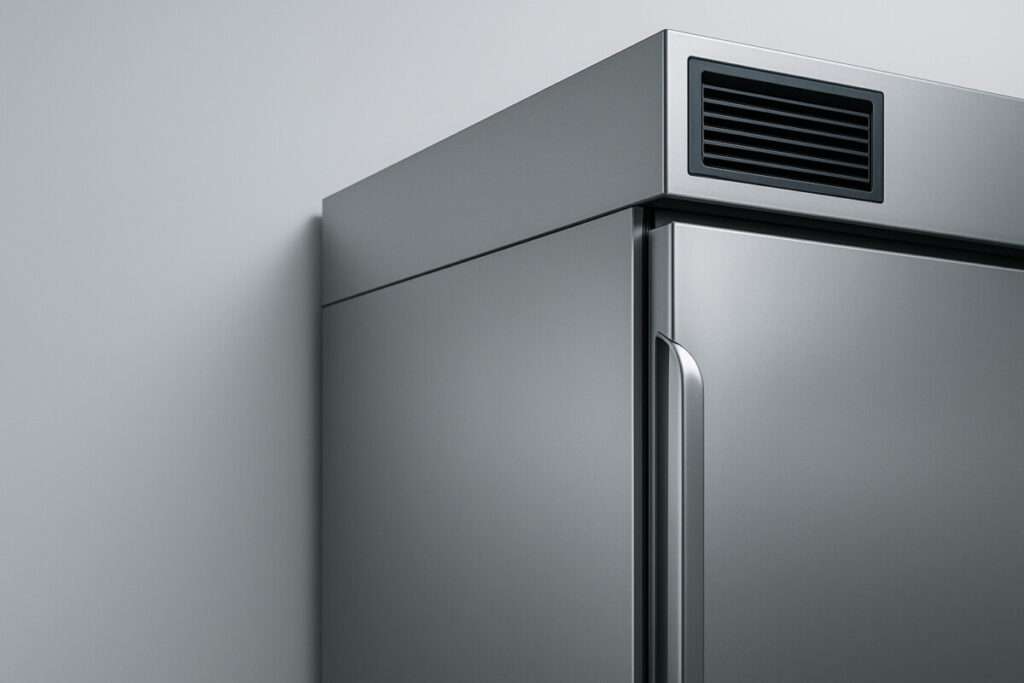
Businesses are increasingly focused on improving cooling efficiency and sustainability. Implementing advanced cooling strategies can reduce costs and support environmental goals. This guide provides practical insights for optimising refrigeration systems in commercial settings.
Incorporating efficient cooling solutions is a crucial aspect of modern business operations, particularly in industries reliant on temperature control. By optimising your refrigeration systems, you can achieve significant energy savings and reduce environmental impact. The process of commercial refrigeration installation involves strategic planning and implementation to ensure systems are both effective and sustainable. Embracing these solutions is essential for businesses aiming to enhance performance while meeting ecological responsibilities.
Improving cooling efficiency with innovative techniques
To enhance cooling system functionality, you can adopt several innovative techniques that focus on operational efficiency and sustainability. One approach involves using advanced sensors and controls to monitor system performance and optimise operations in real time. These technologies can adjust cooling output based on demand, reducing energy consumption during off-peak hours. Another method is the integration of variable speed drives, which modulate compressor speeds to match cooling requirements precisely.
Energy-efficient refrigerants are another critical element in optimising cooling systems. Transitioning from traditional refrigerants to more environmentally friendly alternatives can significantly decrease greenhouse gas emissions. Additionally, implementing proper maintenance schedules ensures systems operate at peak performance, reducing the risk of breakdowns and costly repairs. These strategies collectively contribute to improved energy efficiency and lower operational costs.
Moreover, incorporating renewable energy sources such as solar power can further enhance sustainability efforts. By offsetting electricity usage with clean energy, you can reduce your carbon footprint while maintaining effective cooling operations. Such comprehensive approaches not only align with environmental goals but also offer long-term financial benefits through reduced utility expenses.
The importance of regular maintenance in system optimisation
Routine maintenance is vital in ensuring the longevity and efficiency of cooling systems. Regular inspections and servicing help identify potential issues before they escalate into major problems, saving you from unexpected downtime. Cleaning condenser coils, checking refrigerant levels, and inspecting seals are part of a proactive maintenance strategy that keeps systems running smoothly.
Training staff on best practices for operating and maintaining refrigeration equipment further enhances system reliability. Employees who understand the intricacies of these systems are better equipped to identify irregularities early on, preventing minor issues from becoming significant disruptions. This proactive approach not only extends the lifespan of equipment but also optimises energy consumption by ensuring each component functions correctly.
Furthermore, implementing a digital maintenance log can streamline processes by providing a clear record of all service activities and repairs. This data-driven approach allows for more accurate scheduling of future maintenance tasks, ensuring no aspect of system care is overlooked. Through meticulous maintenance practices, you can achieve optimal system performance while minimising environmental impact.
Balancing sustainability with operational needs
Incorporating sustainable practices into cooling operations requires balancing environmental goals with business demands. One effective strategy is implementing heat recovery systems that repurpose excess heat generated by cooling processes for other applications within the facility, such as water heating or space heating.
Retrofitting existing equipment with modern components can further align operational needs with sustainability targets. For instance, upgrading insulation materials reduces thermal loss, improving overall system efficiency. Additionally, conducting regular energy audits helps identify areas for improvement and enables informed decision-making regarding upgrades or modifications.
Educating stakeholders about the benefits of sustainable cooling solutions fosters a culture of environmental responsibility within the organisation. Encouraging team members to adopt energy-saving habits contributes to overall conservation efforts while supporting business objectives. By prioritising sustainability alongside operational requirements, you can achieve enhanced performance without compromising ecological integrity.




