The Importance of Printer Management for Growing Businesses
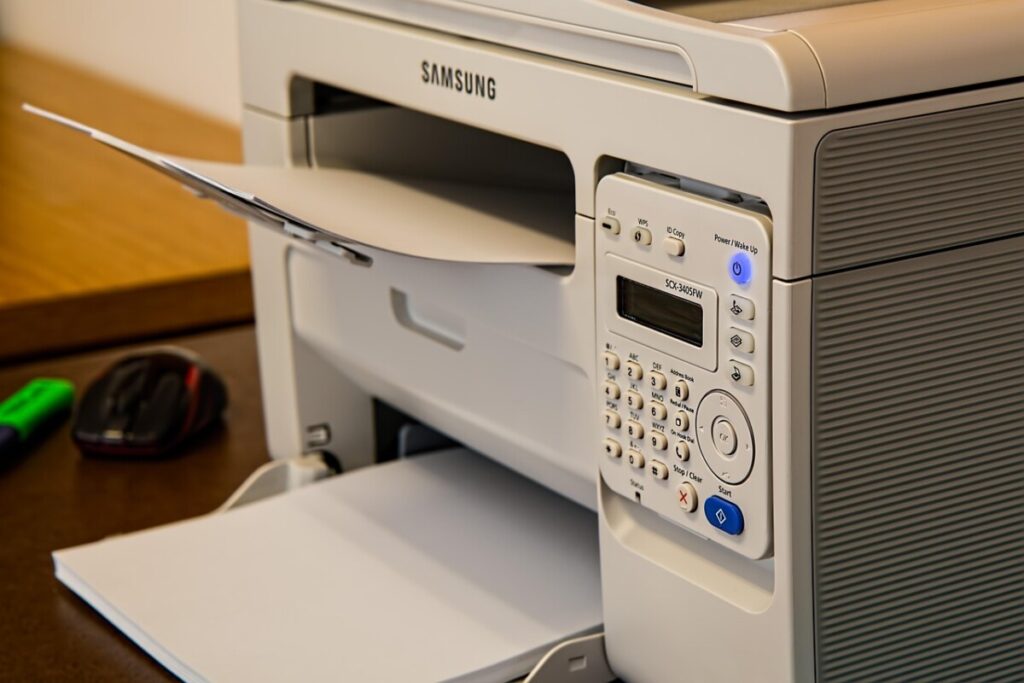
Effective printer management in business is often overlooked despite being a critical component of operational efficiency. Read on to discover that for growing businesses, the ability to manage printing resources efficiently can have a direct impact on cost control, productivity, and even environmental responsibility.
Monitoring Printer Usage
One of the key aspects of printer management is monitoring usage. Businesses often underestimate the volume of printing required on a daily basis. Frequent, unmonitored printing can quickly escalate costs, particularly when employees print excessively or use colour printing unnecessarily. Implementing a system that tracks printer usage allows management to identify patterns and optimise operations. By doing so, businesses can reduce wastage, ensure supplies are used judiciously, and make informed decisions about when to replenish stock.
Regular Maintenance
Equally important is the maintenance of printers themselves. Regular servicing and prompt attention to minor faults prevent more significant breakdowns that can halt productivity. For growing businesses, every minute of downtime translates into lost output, delayed communications, and potential customer dissatisfaction. A well-maintained printer fleet reduces the risk of interruptions, ensuring that teams can continue working seamlessly.
Efficient Supply Management
Supply management is another critical area. Ensuring that essential components such as toner and ink are consistently available is fundamental to avoiding workflow interruptions.
Many businesses fall into the trap of reactive purchasing, only ordering supplies when they run out. This can lead to urgent, often more expensive purchases and unnecessary stress. Establishing an organised inventory system allows businesses to predict usage and order supplies in advance. For instance, sourcing quality ink cartridges from trusted suppliers ensures reliability and consistency, reducing the risk of printing errors and downtime.
Cost Efficiency and Savings
Cost efficiency is a further reason why printer management matters. Printers can be a hidden drain on a growing business’s budget. Beyond the initial purchase price, costs include consumables, maintenance, and energy usage. By implementing print management strategies, such as setting default double-sided printing, limiting colour printing, or using centralised network printers rather than multiple individual devices, businesses can significantly reduce operational expenditure. Over time, these savings contribute to a healthier bottom line and allow resources to be redirected to other growth areas.
Security Considerations
Security is another crucial consideration. As more sensitive documents are printed, especially in industries such as finance or healthcare, ensuring that information is kept secure is paramount.
Printer management systems can include features like user authentication and secure print release, reducing the risk of confidential information being left unattended or falling into the wrong hands. For businesses that are expanding, maintaining robust data protection practices is essential not only for internal operations but also for compliance with legal and regulatory requirements.
Supporting Sustainability
Environmental responsibility cannot be ignored. Businesses today are increasingly judged on their commitment to sustainability. Efficient printer management reduces waste, lowers energy consumption, and encourages responsible use of resources.
Initiatives such as recycling used cartridges, using energy-efficient devices, and reducing unnecessary printing contribute to a smaller environmental footprint. For growing businesses, this not only supports corporate social responsibility objectives but can also enhance the brand’s reputation among customers and partners.
Conclusion
As businesses grow, the need for structured and proactive printer management becomes more pressing. From reducing costs and improving productivity to ensuring security and supporting sustainability, a strategic approach to managing printers delivers tangible benefits. By monitoring usage, maintaining equipment, managing supplies, and implementing secure, efficient practices, businesses can avoid unnecessary disruption and focus on growth.
Investing in effective printer management is not merely a practical decision; it is a strategic one that supports long-term success and resilience in a competitive marketplace.




