Sustainable Steel: The Role of Custom Profiles in the Circular Economy
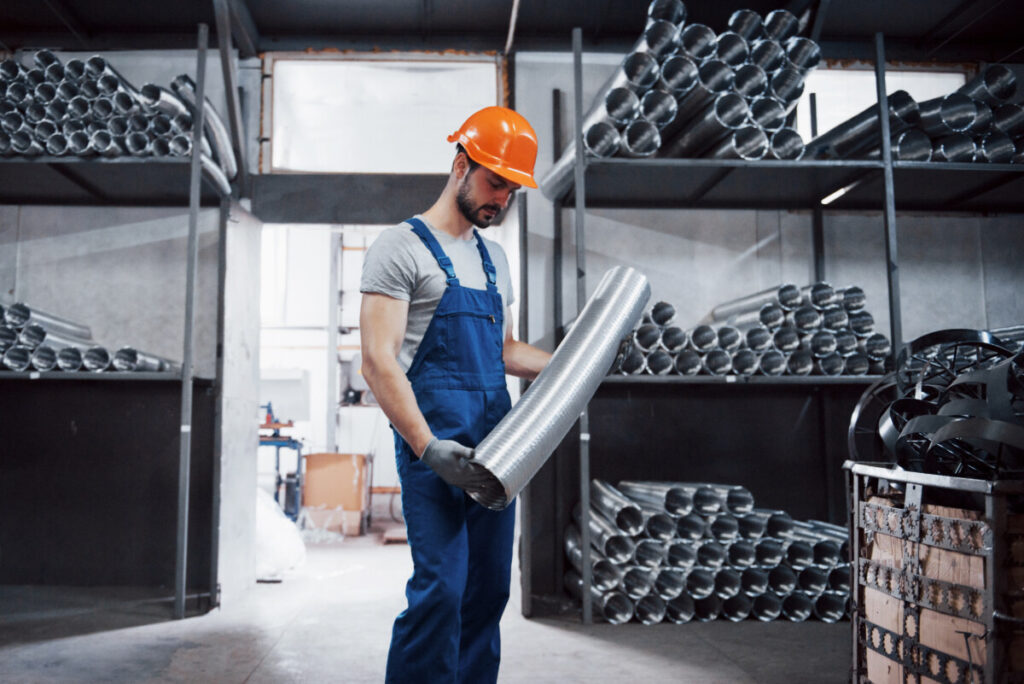
Stainless steel has always been valued for its strength, but its environmental profile deserves just as much attention.
Almost every grade can be recycled indefinitely without losing quality. That means today’s offcuts or old fixtures can become tomorrow’s profiles.
On top of the material’s longevity, as well as the low cost of maintaining it, you have a substance that is chipping away at the need for more raw materials while keeping costs down. In the race to cut their reliance on new resources, industry players that can secure these benefits have an edge over their rivals.
Custom Profiles, Less Waste
Cutting and drilling steel sections to meet your project’s needs comes with its own set of injuries. Cut too little, and you’ll need to pay for extra production steps like grinding or milling. Cut too much, and you’ll need to transport all that waste. Every correction clocks up costs.
When compared to their everyday alternatives, custom stainless steel profiles have a very different starting point. These totally bespoke structures are not only engineered with the given task in mind but also deliver efficient material use from the outset. When form and function are perfectly matched, construction, manufacturing or transportation work can generate less scrap, use less energy and get a little closer to environmental goals.
Efficiency is no longer reserved for the end product itself but built into the way the team gets there. This might also mean that a designer or engineer can specify a shape and function that isn’t possible with off-the-shelf sections, creating a new opportunity for both competitive gain and environmental gain in one go.
Design That Powers Efficiency
The benefits of the performance of steel profile solutions are felt in multiple industries. For transportation, this means lighter, more durable steel, leading to lower fuel use in lighter vehicles. On a construction site, it means quicker, more accurate builds with less waste, equating to better cost control and environmental performance. In a renewable energy project, it means truly fit-for-purpose components that will deliver under strain for decades to come, whilst minimising raw material use.
In a bridge, a train, a turbine blade, and more, custom stainless steel shows us the way energy can be saved and assets can be made to last longer, using design to save what was a finite commodity. It is an example of the way materials used in thoughtful, fit-for-purpose processes today can get it right for tomorrow.
Circular Thinking in Action
The circular economy is about keeping resources in play, and stainless steel fits perfectly. A custom profile can be recycled back into the production loop at the end of its service life—again and again.
With zero degradation and virtually no limit on reuse, stainless steel supports both waste reduction and carbon goals. Tailoring profiles strengthens that role, since less material is wasted at the start and every finished component is already designed with re-entry into the cycle in mind.
For manufacturers and policymakers alike, this makes stainless steel a straightforward choice for meeting net-zero targets and embedding circularity into supply chains.
Montanstahl’s Expertise
But it’s specialist manufacturers who are leading the way when it comes to delivering structure to these ideas. Montanstahl is one such specialist, proud of an enviable reputation for custom stainless steel profiles that observe engineering guidelines as well as environmental imperatives.
In focusing on bespoke product design, the company is helping to ensure waste is minimised, industrial operations are optimised, and environmental obligations can be met in practice as well as in theory. The Montanstahl way demonstrates all too well just how much impact a common material can have when deployed in an intelligently customised way, and used to align material technology and industry with the environmental goals of the 21st century.
Image attributed to Freepik