From Glamping to Wild Hiking: Power Solutions for 5 UK Camping Scenarios
Introduction
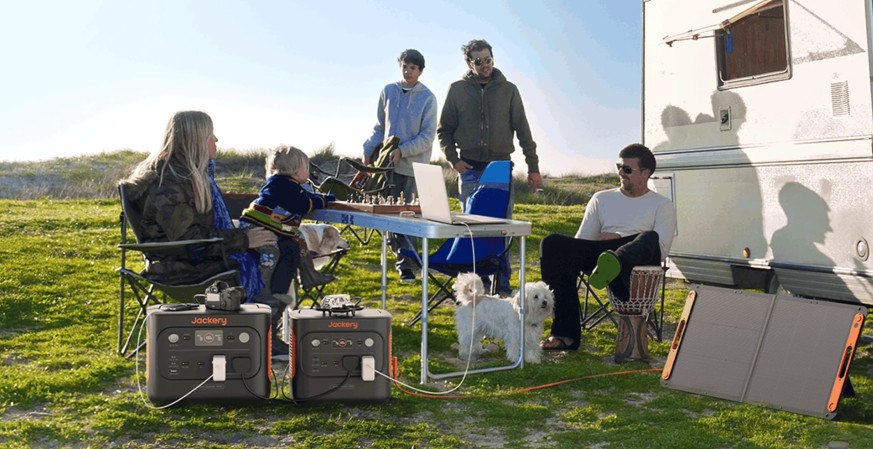
2025 has seen a marked shift in the UK camping scene—Decathlon reports a 60% surge in family tent sales, while GO Outdoors notes a 45% jump in glamping getaways bookings. But this boom isn’t one-size-fits-all: a luxury yurt stay in Leicestershire demands power for coffee machines and projectors, while a solo hike in the Scottish Highlands calls for lightweight gear that won’t weigh you down. The common thread? Reliable electricity. Traditional small generator models are noisy, polluting, and often banned in UK national parks—Dartmoor and the Lake District both prohibit them to protect wildlife and peace. This has made the portable power station uk the go-to modern solution. As a versatile battery generator, these devices adapt to every camping style, but choosing the right one means matching capacity, portability, and features to your specific adventure. This guide breaks down power needs for 5 key UK camping types, focuses on three tailored Jackery V2 Series models , and shares expert tips to avoid common pitfalls. Whether you’re a family camper, solo hiker, or glamping enthusiast, we’ve got your power needs covered.
Table of Contents
- UK Camping Scenario Power Demand Map (2025 Update)
- Core Power Solutions: 3 Jackery V2 Models for UK Campers
- Cross-Scenario Essentials: UK Camping Power Emergency Tips
- Gear Combo Examples: Power Kits for 3 Typical Campers
- 6 Common Power Gear Mistakes UK Campers Make
- Frequently Asked Questions (FAQ)
- Conclusion
UK Camping Scenario Power Demand Map (2025 Update)
Camping in Britain has never been more diverse. GO Outdoors’ 2025 Camping Report identifies five dominant scenarios, each with distinct power requirements—shaped by our unpredictable weather, strict site rules, and love for both comfort and adventure. Below is a breakdown of their core needs, backed by real sales and usage data.
The 5 Key UK Camping Scenarios & Their Power Needs
| Scenario | Core Electric Devices | Typical Power Consumption | Key Requirements | GO Outdoors Trend Data |
|---|---|---|---|---|
| Glamping (Yurt/RV) | Espresso machine, mini-fridge, jector, heater | 800–1500W peak | High capacity, multiple outlets, solar compatibility | 72% of glampers now bring electric appliances |
| Family Tent Camping | 3–4 phones, tablet, LED string lights, portable grill | 200–500W peak | Multi-device charging, durability, ease of use | Family power pack sales up 58% year-on-year |
| Solo Hiking Camping | GPS, headlamp, satellite phone, camera | 50–150W peak | Lightweight (<10kg), compact, long-lasting | 41% of solo hikers prioritize power weight over capacity |
| Winter Camping | Electric blanket, heated mug, battery warmer | 300–800W peak | Cold-resistance, stable output in sub-zero temps | Winter-specific power gear sales up 89% |
| Multi-Day Expeditions | Water purifier, emergency beacon, two-way radio | 100–300W peak | Solar rechargeable, rugged build | 65% of expeditioners use solar-powered systems |
Critical Insight: The Rise of LiFePO4 Battery Demand
GO Outdoors data shows LiFePO4 battery (lithium iron phosphate) ducts now account for 68% of camping power sales—up from 42% in 2023. UK campers aren’t just following a trend: these batteries handle our wet winters (resistant to corrosion) and variable usage (thousands of charge cycles) far better than traditional lithium-ion. For anyone camping more than 3 times a year, they’re a no-brainer investment.
Core Power Solutions: 3 Jackery V2 Models for UK Campers
No single portable generator fits every trip, but Jackery’s V2 Series covers the three most common UK camping needs. Each model is built for British conditions—water-resistant, quiet, and compatible with solar (essential for our off-grid spots).
Solo Hiking & Light Trips: Jackery Explorer 500 V2 Portable Power Station
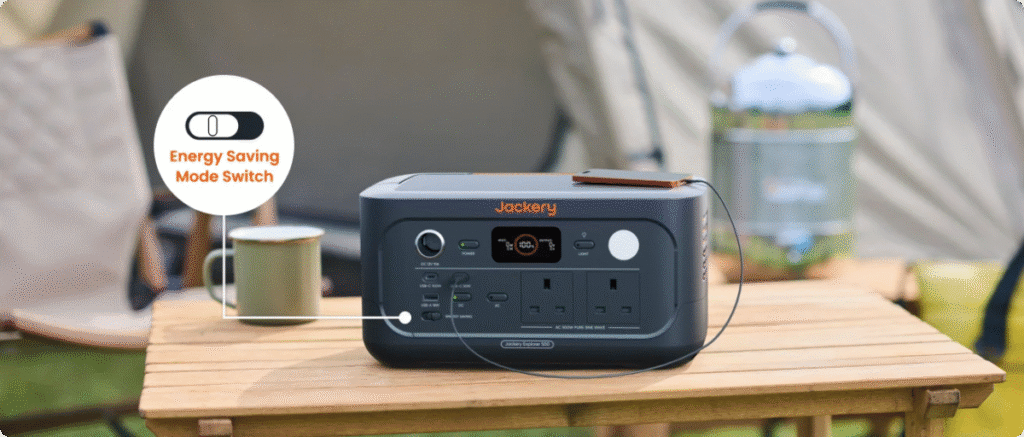
For solo hikes in the Cairngorms or day trips to the South Downs, weight and portability are non-negotiable. The Explorer 500 V2 is a compact battery pack for camping that punches above its weight. At just 5.7kg, it fits easily in a 30L hiking backpack—light enough to carry all day without straining.
Its real strength is reliability for safety gear: it’ll charge a Portable Fridge(60W) for 4.5h, keep a Camping Light for 38 hours, or Coffee Maker (300W) 13 times—plenty for solo Camping. The water resistance means you won’t panic if it rains (a given in the UK), and the 12V car port lets you power a portable water purifier—critical for wild camping. It’s simple, durable, and designed for hikers who want power without the bulk.
Family Tent Camping: Jackery Explorer 1000 V2 Portable Power Station
Family trips are chaos—kids’ tablets, parents’ cameras, LED lights for bedtime stories, and a portable grill for breakfast. The Explorer 1000 V2 is the ultimate portable power station for camping for 3–4 person families. At 10.8kg, it’s light enough for two people to carry to the pitch, but with enough capacity to keep everyone’s devices charged and essentials running.
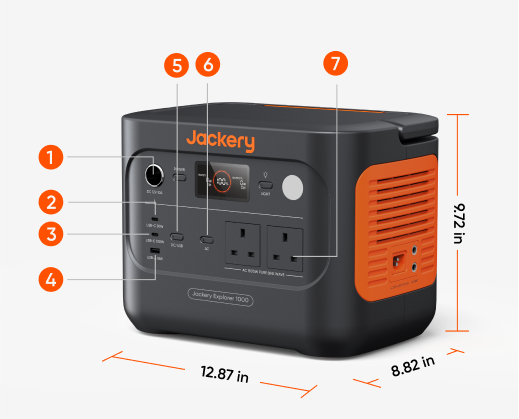 It has 5 outlets (2 AC, 1USB-A, 2 USB-C) so no one’s fighting over charging spots, and the LED display shows exactly how much power is left—no more guessing if you’ll have enough for evening lights. The LiFePO4 battery stands up to clumsy hands and rainy weekends, and it can run a small portable grill or mini-fridge for hours. For trips to the Norfolk Broads or a weekend at a campsite in Devon, it’s the perfect middle ground between capacity and convenience.
Glamping & Winter Camping: Jackery Explorer 2000 V2 Portable Power Station
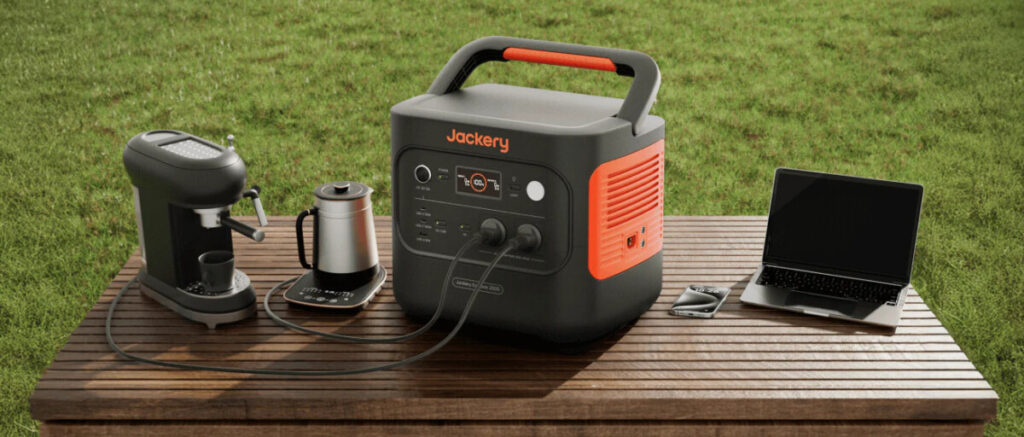
When comfort or harsh conditions are priorities—think a yurt in the Cotswolds or winter camping in Snowdonia—the Explorer 2000 V2 delivers. This robust battery power station has the capacity to run “home comforts” off-grid: an espresso machine for morning lattes, a projector for movie nights, or an electric blanket on cold evenings. It’ll keep a Portable Refrigerator(90W) for 15 hours and an Electric Kettle(800W) charging for 10times—game-changing for winter trips.
Its LiFePO4 battery maintains performance down to -10°C (unlike traditional batteries that die in the cold), and pairing it with two SolarSaga 200W panels lets you recharge for free during the day—ideal for 3–4 day glamping stays. Unlike a small generator, it runs silent—so you won’t disturb other campers or wildlife—and it’s allowed in all UK national parks. For anyone who refuses to sacrifice comfort for the outdoors, this is the gold standard.
Cross-Scenario Essentials: UK Camping Power Emergency Tips
No matter where you camp in the UK, the weather and unexpected issues can derail your power plan. These universal tips—honed by British camping experts—keep you connected and safe.
Rainy Day Charging: Solar Panels in British Weather
We all know it rains in the UK, but that doesn’t mean solar charging is off the table. Jackery’s SolarSaga panels use monocrystalline cells that absorb diffused light (the kind we get on cloudy days). Here’s how to make them work:
- Angle for Success: Tilt panels 30–45° toward the sun—use a rock or your backpack to prop them up. This maximizes light absorption by 20–30% compared to laying them flat.
- Keep Them Dry: Wipe raindrops off regularly—wet panels lose 10–15% efficiency. SolarSaga panels are water-resistant, but avoid submerging them in puddles.
- Time It Right: Charge during “golden hours” (9–11 AM and 2–4 PM) when light is strongest. Even on overcast days, the Explorer 1000v2 will recharge in 10–12 hours—enough for evening use.
Power Allocation: The “Survival First” Rule
If your portable power station uk runs low, prioritize devices to stay safe and comfortable. Follow this British camper’s hierarchy:
- Safety Gear: Emergency beacon, satellite phone, GPS (these can save your life in remote areas like the Scottish Highlands).
- Communication: Phones (for calls, maps, and weather updates).
- Essentials: Headlamp, water purifier (basic needs you can’t do without).
- Comforts: Tablet, camera, portable speaker (nice to have, but not critical).
Campground Compliance: Know the Rules
UK campsites have strict power regulations—ignoring them can get you evicted or fined. Here’s what you need to know:
- National Parks: All (including the Peak District and Loch Lomond) ban small generator due to noise and emissions. Stick to battery power station models—they’re universally allowed.
- Private Campsites: Many (like Canterbury Camping & Caravanning Club and Cornwall’s Trevornick Holiday Park) limit power output to 2000W. Check their website or call ahead to confirm—most list rules under “What to Bring”.
- Wild Camping: In Scotland (where wild camping is legal under the Land Reform Act), there are no power restrictions—but follow “leave no trace” principles. Take your portable generator with you, and don’t set up solar panels in protected areas (like SSSIs).
Gear Combo Examples: Power Kits for 3 Typical Campers
Not sure what to pair with your power station? These ready-made kits are tailored to common UK camper files, tested by outdoor experts at GO Outdoors.
New Family Camper (Budget: Under £500)
- Core Power: Jackery Explorer 500 V2 Portable Power Station
- Why It Works: Covers all family basics without overspending. The Explorer 500 V2 charges phones, powers lights, and runs a small grill—perfect for first-time trips to a local campsite or weekend getaways to the New Forest. It’s simple to use (no technical setup) and durable enough for messy kids.
Experienced Camper (Priority: Performance + Portability)
- Core Power: Jackery Explorer 1000 V2 Portable Power Station
- Why It Works: Strikes the perfect balance between capacity and weight. Use solar for wild camping in Snowdonia, car charging for day trips to the coast, and the power strip when camping with friends. The LiFePO4 battery means it’ll last for years of regular use—great for campers who head out 10+ times a year.
Luxury & Winter Camper (Goal: Comfort + Reliability)
- Core Power: Jackery Explorer 2000 V2 Portable Power Station
- Why It Works: Turns off-grid spots into comfortable retreats. The solar panels recharge the power station in 5–6 hours of sunlight, so you never rely on mains electricity. It runs heaters, jectors, and fridges with ease—ideal for glamping getaways or winter camping in the Cairngorms. It’s an investment, but one that pays off in comfort and peace of mind.
6 Common Power Gear Mistakes UK Campers Make
Even seasoned campers mess up their power setup. These mistakes are costly, inconvenient, or even dangerous—avoid them with our expert advice.
Choosing Capacity Over Power Output
Mistake: Buying a 2000Wh power station that only outputs 300W—too weak to run a mini-fridge or portable grill.
Fix: Always check the “rated output” (not just capacity). The Explorer 1000 V2’s 1000W output handles 90% of UK camping appliances, from coffee machines to heaters. If you’re unsure, check your appliance’s plug label for “watts” (W) and pick a power station with a higher output.
Ignoring LiFePO4 Battery Technology
Mistake: Saving £50 on a cheap lithium-ion power pack that dies after 6 months of UK weather.
Fix: Invest in LiFePO4 battery models (all Jackery V2 Series). They last 10+ years (thousands of charge cycles), resist corrosion from rain, and hold charge in cold weather. A cheap lithium-ion pack might seem like a deal, but you’ll replace it 3x faster—costing more in the long run.
Bringing a Small Generator to Quiet Campsites
Mistake: Showing up with a noisy small generator at a national park campsite (banned!) and getting asked to leave.
Fix: Swap it for a silent battery power station. The Explorer 2000 V2 runs quieter than a whisper—you’ll barely notice it’s on. National parks, glamping sites, and family campsites all prefer them, and they’re safer (no fumes).
Underestimating UK Weather
Mistake: Buying a non-waterof power station and ruining it in a sudden downpour (common in the Lake District!).
Fix: Choose IPX3-rated models (all Jackery V2 Series) and store them in a waterof bag. Even if it rains all weekend, your power station will stay dry. Avoid cheap “water-resistant” models—they often fail after one heavy shower.
Forgetting to Recharge Before Trips
Mistake: Packing a dead power station and realizing the campsite has no mains electricity.
Fix: Set a phone reminder to charge 24 hours before departure. Use off-peak electricity (usually midnight–7 AM) to save money—charging the Explorer 1000 V2 costs less than £0.20 with Economy 7 tariffs.
Overloading the Power Station
Mistake: Plugging in a heater, coffee machine, and phone charger at once—tripping the circuit and damaging the battery.
Fix: Check the total wattage of your devices. The Explorer 1000 V2 can handle up to 1000W, so avoid running two high-power appliances (like a heater and grill) at the same time. Most power stations have overload protection, but it’s better to avoid the risk.
Frequently Asked Questions (FAQ)
Q1: How heavy are Jackery’s V2 Series power stations for hiking?
A: The Explorer 500 V2 is 5.7kg—light enough for day hikes or multi-day solo trips. The Explorer 1000 V2 (10.8kg) works for car camping or group hikes where you can split gear, while the Explorer 2000 V2 is best for glamping or base camps (use a trolley if you need to move it). All are lighter than traditional small generator models (which start at 30kg).
Q2: Will a LiFePO4 battery work in UK winter?
A: Yes—they’re the best choice for cold weather. Jackery’s LiFePO4 battery With a lifespan of up to 10 years and 4000 charge cycles at 70% capacity, this power station ensures enhanced durability and reliability for all your power needs.
Q3: Are battery power stations allowed in all UK campsites?
A: Nearly all—they’re silent, emission-free, and comply with national park rules. The only exceptions are a handful of ultra-remote wild camping spots in protected areas (like some parts of the Cairngorms National Park). Always check local landowner guidelines if you’re unsure—most national park websites have clear “wild camping” sections.
Conclusion
2025’s UK camping scene is all about customization—whether you’re sipping espresso in a Leicestershire yurt, navigating Scottish Highlands trails, or keeping your kids entertained in a Devon tent, your power setup should work for your adventure. Traditional small generator models are outdated for British camping: they’re noisy, banned in most scenic spots, and can’t handle our weather.
Jackery’s V2 Series is built for us: LiFePO4 battery durability to withstand rain and cold, silent operation for peaceful campsites, and solar compatibility for off-grid freedom.
Don’t let dead batteries ruin your next outdoor adventure. Find your perfect portable power station for camping, and gear up for unforgettable 2025 trips—no more power worries, just pure outdoor fun!