The Black Friday conundrum: compete or create colour?

Written by Naeem Arif
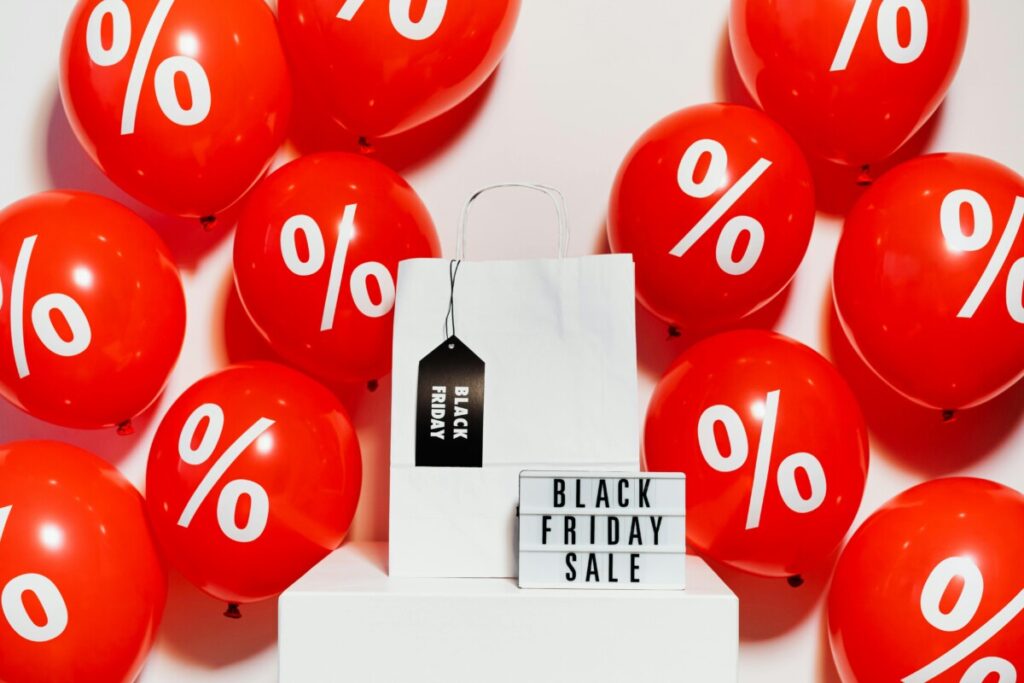
Black Friday has made a name for itself as the biggest global shopping event of the year, with consumers offered millions of deals not only on the last Friday in November itself, but also over the subsequent three days – incorporating Cyber Monday which has become synonymous with electronics savings.
Some of the bigger retailers have even extended the event, offering weeks of discounts in the run-up to Black Friday – and, on the surface, it seems to have paid off. More than £13 billion was spent in the UK over that weekend in 2023, according to Simply Business, representing a 7% rise from the year before.
Yet many independent companies are opting out, and some are even leading a counter movement – known as Colour Friday – encouraging creativity and enterprise over mass-consumerism. So, has Black Friday had its day or is there still merit in participating, and can smaller businesses benefit or is it best left to the household brands?
Are people really buying more?
Any business owner would welcome a spike in sales, but there have been concerns raised by many credible sources that Black Friday isn’t quite as profitable as the headlines would have us believe.
Not only does heavily discounting stock result in a much smaller profit, for example electronics on sale are likely to have a slimmer margin than fashion or beauty items, there’s evidence to suggest that consumers aren’t buying more as a result of the deals on offer – they’re simply changing their shopping habits. If it’s a luxury or tech-related item, some may choose to delay purchases they may otherwise have made earlier in the year, while others may take advantage of Black Friday to purchase Christmas gifts they would ordinarily have bought in December.
This is backed up by data collected by the British Retail Consortium, showing non-food sales growth was flat this October, which has been attributed to those waiting for the deals to start. But this is by no means a universal truth: 48% of Christmas shoppers told YouGov they were not influenced by the weekend’s deals when buying gifts.
Other concerns associated with Black Friday include the potential additional costs such as wages for extra staff required during the sale period, while smaller brands may struggle to offer big discounts – not least because they may be unwilling to sway from practices such as ethical manufacturing and sustainability in order to reduce their costs.
As a business owner, there will be weeks if not months of preparation in order to create a ‘Door Buster’ offer – one which will see people metaphorically breaking down your door because they simply can’t miss out on the sale, especially if stock is seen as limited so there’s only a small window of opportunity to get their hands on the deals. In recent years, it seems the idea of Door Busters has declined, despite them historically supporting the success of Black Friday for businesses. But it remains true that if a retailer wants to get the best out of taking part, they need to have an offer compelling enough to drive customers into their store; then of course, it’s about upselling in order to make additional profit on additional products purchased by those customers who were initially attracted by the Door Buster.
The Black Friday boycott
Increasing numbers of independent brands have opted out of Black Friday (as many as 86% according to the British Independent Retailers Association), or chosen to take part on their own terms. A great example is Y.O.U Underwear which focuses on purposes like sustainability and charity alongside profit – they chose to run a special offer in 2024 and committed to planting a tree for every order received on Black Friday, alongside donating underwear to vulnerable people.
Others are joining in with Colour Friday, an alternative campaign spearheaded by Not On The High Street co-founder Holly Tucker MBE which encourages shoppers to buy from small, creative and values-driven businesses rather than global corporations. Its message is ‘choose colour over the darkness of mass consumerism’ and it has provided an opportunity for smaller brands to showcase their USP, and focus on the value rather than the price of their products.
Opting in? How to maximise the potential
For those choosing to take part in Black Friday, the key to success is avoiding simply attracting existing shoppers who would have made purchases at some point anyway, and instead focusing on attracting new customers during the sale period.
By utilising the opportunity to concentrate marketing around brand awareness and reaching new audiences, brands switch their efforts from extra sales over one day to a more concerted long-term effort to grow their customer base. Those who can’t or don’t want to compete with larger retailers on price, can instead focus on their values, what makes their offering unique, and the ‘shop small, shop local’ message which resonates with consumers who are increasingly conscious about the impact of where they spend their disposable income.
A key consideration for those with online purchase options is ensuring that the technology behind this can stand up to a spike in website traffic – the last thing anyone wants during what could be their busiest day of the year is for their entire website to crash.
Electrical retailer AO reports high sales each November, with 90% of their revenue coming from online channels. Anticipating high volumes of shoppers, they have heavily invested in the behind-the-scenes technology and infrastructure to ensure their site and logistics were both up to the task, as reported in The Guardian. They also extended their sales to cover a longer period of time, to spread out the anticipated additional spend – which may be a more feasible option for smaller businesses without the capacity to access the type of capital needed to upgrade their tech systems.
It’s also worth considering that whilst ‘big draw’ items like heavily-discounted electronics might prove attractive, slashing the price of products can sometimes devalue them in the eyes of the shopper. This may not prove detrimental on the day itself, but could well be an issue going forward once the item returns to its original price. It’s also worth noting that the internet now gives anyone the ability to find out the differing price points of an item over time: Which? research showed 92% of deals in a sample from major home and tech retailers had been the same price or cheaper at other times of the year.
So, the message for smaller brands is that Black Friday can be about more than price. If you can afford to offer the sort of deals which compete with bigger brands (or Door Busters), then you may well see a defined increased in sales; but thinking bigger (or even participating in Colour Friday) can see the shopping event used as more than just a one-day gimmick. This approach can lead to wider reach over a more sustained period of time; and by focusing what makes your independent brand unique, you can leave an impact on potential consumers which stretches far beyond Black Friday.
—
About the author
Naeem Arif is an entrepreneur, business coach and best-selling author, who has worked with everyone from global corporations to solo traders, specialising in customer experience. A former Forbes Business Council member, founder of the Retail & Hospitality Forum and honorary chairman of his local Chamber of Commerce, Naeem has a passion for giving back to the business community alongside running his own successful company. Visit www.linkedin.com/in/naeemarif to connect with Naeem on LinkedIn.