Advancements in roofing technology boost efficiency and innovation
The roofing industry is experiencing significant changes due to technological advancements. These innovations are enhancing efficiency and improving service delivery. Staying updated with these changes is crucial for maintaining a competitive edge in the market.
Technology is transforming various industries, and roofing is no exception. From the use of drones for inspections to the development of advanced materials, keeping pace with technological trends is essential. For professionals in the field, understanding these changes is crucial to ensuring you remain competitive. This article explores the innovations driving change and their impact on efficiency and service delivery, including insights from NWIR.
Innovations transforming roofing processes
Technological advancements in roofing are redefining project approaches and execution. Drones have become essential for inspections, providing high-resolution images that allow for detailed assessments without the need for physical presence on a roof. This speeds up the inspection process and enhances safety by reducing the need for workers to climb hazardous heights.
Advanced materials are also leading this transformation. Reflective coatings improve energy efficiency, and durable membranes extend the life of roofs. These innovations contribute to better-performing structures. Incorporating such materials can lead to cost savings over time due to reduced maintenance needs and enhanced longevity.
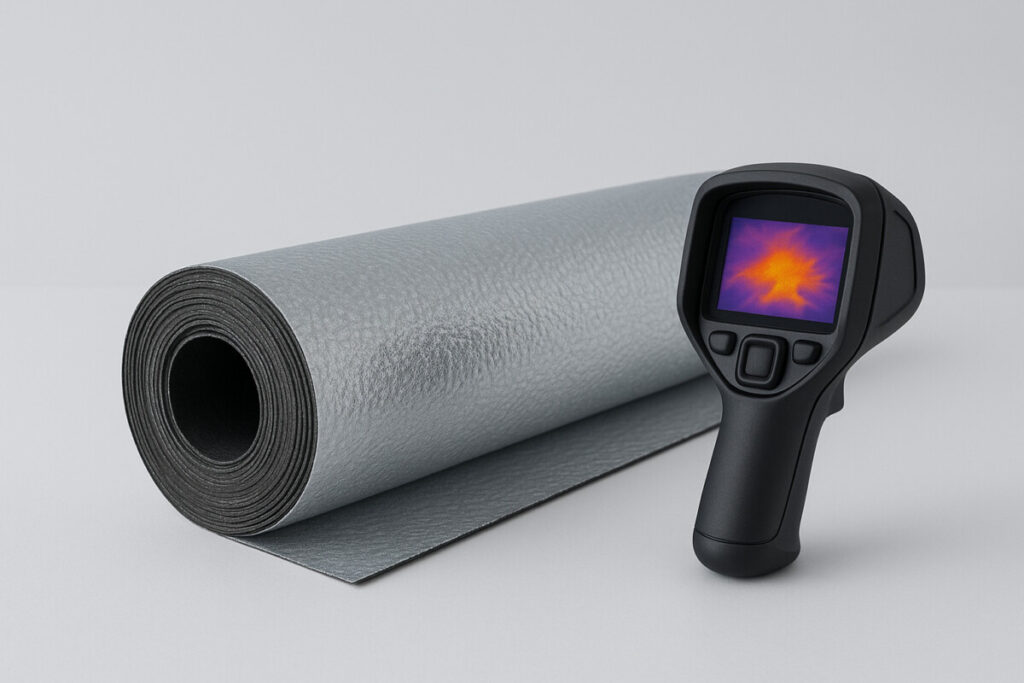
Digital modeling and Building Information Modeling (BIM) software have revolutionised the planning phase of roofing projects. These tools enable contractors to create detailed 3D representations of roofing systems before installation begins, allowing for precise measurements and material calculations. This technology minimises waste and helps identify potential design conflicts early in the process. Additionally, thermal imaging cameras have become invaluable for detecting hidden moisture intrusion and insulation deficiencies that would otherwise go unnoticed until significant damage occurs.
Efficiency gains and improved service delivery
The integration of technology into roofing processes results in efficiency gains. Project management tools now allow real-time tracking of progress, enabling more accurate scheduling and resource allocation. For contractors, this means more streamlined operations, while clients benefit from timely project completion and reduced overall costs.
Service delivery has also improved due to these advancements. Faster turnaround times and precise execution mean customers experience fewer disruptions during installations or repairs. This level of efficiency satisfies current clients and enhances reputation, attracting new business opportunities in an increasingly competitive market.
Future trends and preparing for continued evolution
The future of roofing technology holds even more exciting prospects. As artificial intelligence (AI) continues to evolve, predictive analytics could become a standard tool for anticipating maintenance needs before issues arise. AI could analyse patterns from past data to predict when a roof might fail or require servicing.
Staying ahead of these trends is vital for businesses looking to remain competitive. By investing in ongoing education and training, you can ensure your team is prepared to leverage these tools effectively. Being proactive in adopting emerging technologies can position you as a leader in innovation within the industry.




