Fleet EV Charging: Why UK Businesses Must Invest in Depot Charging for Electric Vans
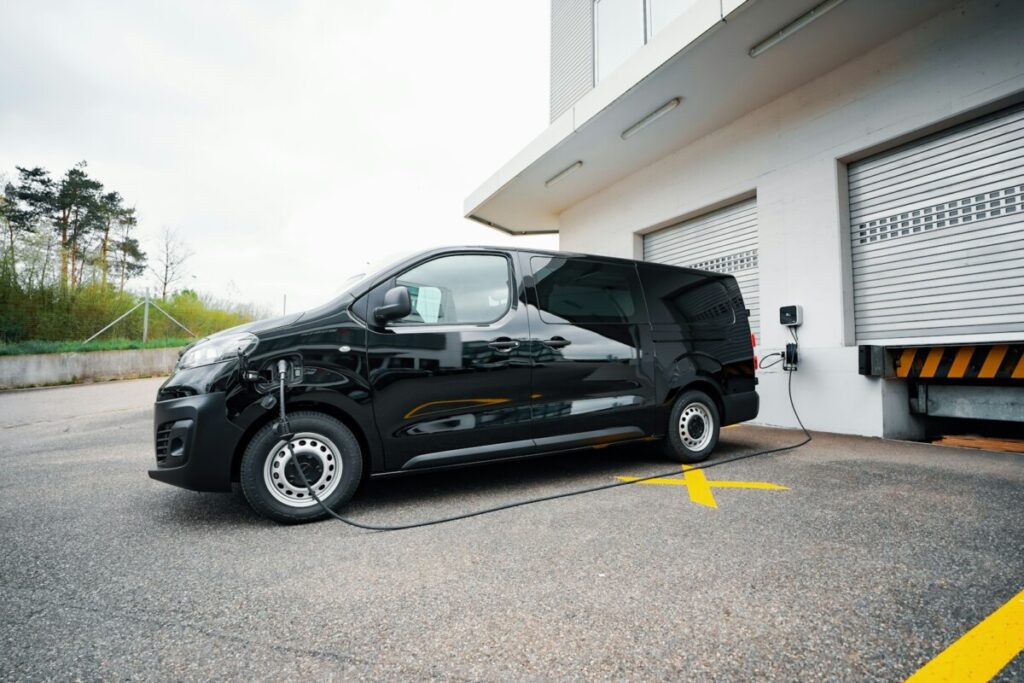
As electric vehicles (EVs) continue their rapid rise across the UK, demand for electric vans and commercial EVs is growing strongly — and with it, the need for robust fleet charging infrastructure. For Welsh businesses operating delivery vans, service vehicles or mixed fleets, the shift to electric transport is reshaping operational strategy and highlighting the importance of depot-based charging over reliance on external networks.
UK Electric Van Sales Surge — A Clear Signal for Fleets
Recent industry data shows a dramatic increase in electric van uptake across the UK. In July 2025, battery-electric van registrations rose by 72.6% year-on-year, reaching 2,442 units — and marking eight consecutive months of growth in this segment.
This growth underscores strong commercial momentum toward electric vans in sectors from logistics and deliveries to maintenance and local authority fleets. However, despite this expansion, battery-electric vans still represent a relatively modest share of total light commercial vehicle (LCV) sales, highlighting continued growth potential.
The Strategic Advantage of Depot Charging
For businesses adopting electric vans, having control of vehicle charging is essential. Relying solely on public charge points — which may be busy, unevenly distributed and often geared toward private cars rather than commercial fleets — can disrupt operations and add complexity to daily routes.
By investing in fleet EV charging infrastructure at company depots or headquarters, businesses gain:
- Cost control: Charging at off-peak electricity rates can significantly reduce operating costs compared with public rapid chargers.
- Operational reliability: Vehicles start each day fully charged, reducing downtime and keeping delivery schedules on track.
- Simplified logistics: Centralised charging removes the need for drivers to detour to external charge points during shifts.
- Predictable energy use: Smart charging systems help balance energy loads and avoid peak grid charges.
- Environmental impact: Fleet electrification paired with on-site charging directly cuts tailpipe emissions, supporting corporate sustainability and net zero commitments.
These benefits illustrate why fleet electrification has moved from a future goal to a strategic operational priority for businesses.
The Role of Fleet Charging Infrastructure
To fully unlock these advantages, companies need a well-planned depot charging strategy. Installing chargers that match vehicle size, duty cycles and energy needs is crucial — and often requires careful grid connection planning and load management to ensure reliability without excessive electrical upgrades.
Government programmes such as the UK’s Depot Charging Scheme are designed to help address infrastructure barriers by subsidising the costs of installing EV charge points for commercial fleets and heavy goods vehicles.
With funding support and the right planning, businesses can build charging systems that scale as fleet size grows — turning what once was a potential operational headache into a competitive advantage.
Supporting a Greener Future and a More Efficient Fleet
Adopting fleet EV charging infrastructure also strengthens a business’s environmental credentials. Fleets represent a significant portion of transport emissions, meaning rapid electrification paired with reliable depot charging can deliver measurable carbon reductions and improved local air quality.
For many companies, this also supports broader Environmental, Social and Governance (ESG) commitments — a factor that matters to customers, investors and employees alike.
Integrating Charging into Fleet Planning
Developing a successful depot charging strategy involves more than simply installing chargers. Businesses need to consider:
- Electric vehicle range and energy use patterns
- Charging capacity tailored to peak vehicle turnaround times
- Software and hardware that supports smart scheduling and billing
- Future scalability as fleet electrification intensifies
Doing so ensures the infrastructure continues to meet operational needs while avoiding costly retrofits.
The Future of Commercial EVs in Wales and Beyond
Despite broader challenges in the UK light commercial vehicle market, EV van uptake continues to outperform traditional segments, proving that electrification is viable even amid economic headwinds.
For Welsh businesses, investing in fleet EV charging at their own premises — linked with smart energy management — offers a clear path to better efficiency, lower costs and reduced carbon emissions. As electric vans become mainstream, being ready with reliable fleet charging capabilities will be essential to staying competitive in a changing transport landscape.
Learn more about fleet EV charging solutions for your business here: https://www.radius.com/en-gb/ev-charging/fleets/