Which Features Make a Breathalyser Best for Home or Workplace Use?
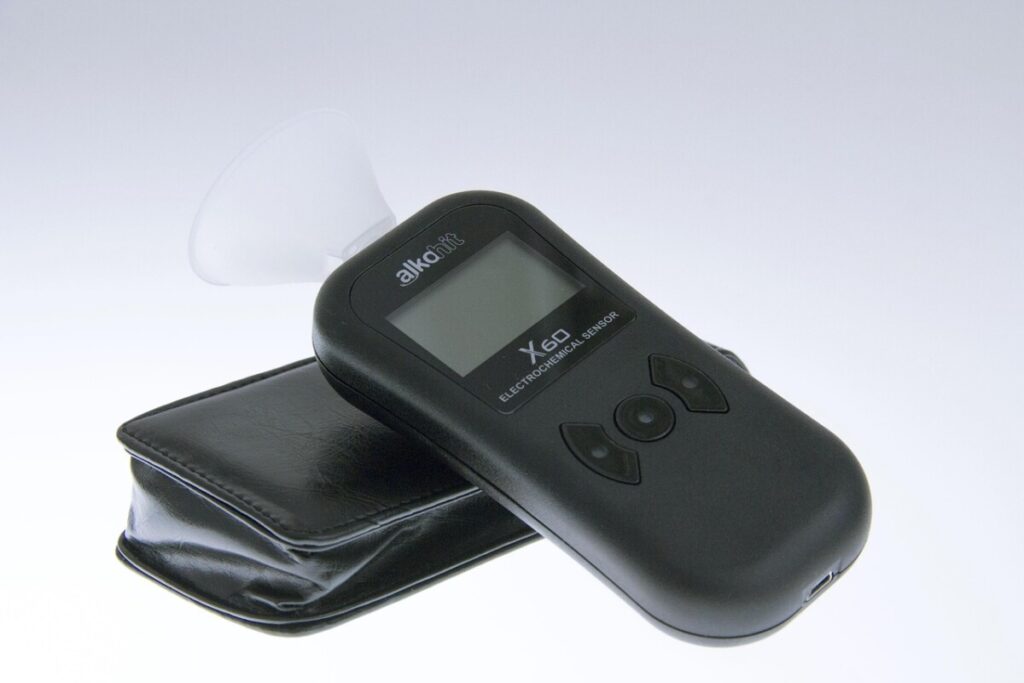
Choosing the right breathalyser helps anyone who wants clear insight into alcohol levels before driving or working. With technology advancing each year, these tools now give faster and more accurate readings than older models. The best breathalyser balances accuracy, ease of use, and consistency for safe and confident decision-making at home or in the workplace.
Different devices now serve various needs, from compact digital models suited for personal checks to advanced professional units used in busy work settings. Understanding which features deliver trustworthy results allows each person to select a breathalyser that fits everyday habits and safety goals.
Fuel-cell sensor technology for high accuracy
Fuel-cell sensor technology gives breathalysers a high level of precision by reacting specifically to ethanol. This limits errors caused by other substances and produces more dependable readings. For this reason, many police and workplace models use the same type of sensor found in professional testing devices.
A personal breathalyser for accurate readings also benefits from this technology. It helps individuals check their alcohol levels before driving or working, offering clarity and peace of mind without needing laboratory equipment.
Fuel-cell sensors measure the alcohol in exhaled air through an electrochemical process that converts ethanol into an electrical signal. The amount of current produced relates directly to the user’s blood alcohol level. Manufacturers favour this system because it stays consistent across multiple tests, provided the device is properly calibrated.
These sensors make breathalysers suitable for both home and workplace use, offering a strong balance between accuracy, simplicity, and durability in daily monitoring.
AlcoSense Ultra for precise and consistent readings
The AlcoSense Ultra uses a professional-grade fuel cell sensor that matches the type used in police breathalysers. This design gives it strong accuracy for both home and workplace testing. It measures alcohol levels with minimal drift over time, so results stay steady even after frequent use.
It also includes a controlled air sampling system that takes a reading only after a full breath of at least 1.2 litres. This method improves consistency because it avoids partial samples. A temperature control feature further helps the device give stable readings in both cold and warm conditions.
The clear colour display presents results in an easy-to-read format. Users can also view their last few tests, which helps track changes or patterns. Its user interface is straightforward, so even first-time users can operate it with confidence.
Together, these features make the AlcoSense Ultra a precise, consistent choice for anyone who needs dependable alcohol level readings.
Draeger 7000 as the top workplace digital breathalyser
The Draeger 7000 stands out as a professional digital breathalyser built for organisations that need fast and accurate alcohol testing. It measures alcohol levels through breath samples and can capture results across a wide range of temperatures. This helps companies maintain safe work environments even in varied conditions.
It uses a fuel cell sensor to provide consistent readings and supports tests through a mouthpiece or a funnel. This dual method reduces waiting time and suits both individual and mass screenings. Its design also allows easy calibration, usually once per year, which lowers maintenance effort.
Bluetooth and networking features allow connection to other systems or printers for quick record access. This makes record‑keeping simpler and more efficient. Therefore, the Draeger 7000 serves as a practical choice for workplaces that require dependable, clear alcohol test results without unnecessary complexity.
Temperature compensation feature for reliable results
Temperature can affect how accurately a breathalyser reads alcohol levels. Air density and sensor behaviour shift as conditions change, which can cause small errors. Devices with temperature compensation automatically adjust their calculations to balance these effects.
This feature helps the breathalyser take consistent readings across cold or hot environments. It corrects for temperature changes inside the sensor, so results stay steady whether the test happens indoors or outside.
In some advanced models, internal sensors monitor the device’s operating temperature and make small corrections before displaying the result. This process allows users to trust that measurements reflect actual breath alcohol content instead of environmental factors.
For workplaces or home use, temperature compensation adds an extra layer of accuracy. It reduces the chance of false readings and supports more dependable decision-making after alcohol consumption.
Compact and easy-to-use digital models
Compact digital breathalysers suit users who value convenience and clear results. Their small size allows easy storage in a car glove box or office drawer. Many include clear displays and simple controls that make operation quick and straightforward.
These models often power on with a single button and provide results within seconds. Some automatically warm up before each test to help produce more consistent readings. Because the sensors are built for personal and workplace use, they offer a good balance between accuracy and price.
Ease of use plays a major role in their appeal. The screen usually shows clear instructions and result indicators that remove guesswork. As a result, these breathalysers fit both casual drivers who want peace of mind and employers who need a simple tool to check staff before safety-sensitive tasks.
Their portability and straightforward operation make them practical for everyday safety checks without needing technical knowledge or complicated setup.
Conclusion
A good breathalyser for personal or workplace use balances accuracy, ease of operation, and value. Devices that use fuel cell sensors often achieve more consistent results and meet higher testing standards than cheaper semiconductor options.
Clear digital displays, quick response times, and simple maintenance make daily checks easier. Battery indicators also help users avoid faulty readings caused by low power.
In shared or professional settings, hygiene and data recording features provide added value. These functions help maintain fairness and trace results in regulated environments.
Selecting a device that matches practical needs rather than advanced extras gives better long-term satisfaction. Each user benefits from technology that delivers trustworthy feedback and straightforward operation.




