Environmental Targets for British SMEs and How to Achieve Them
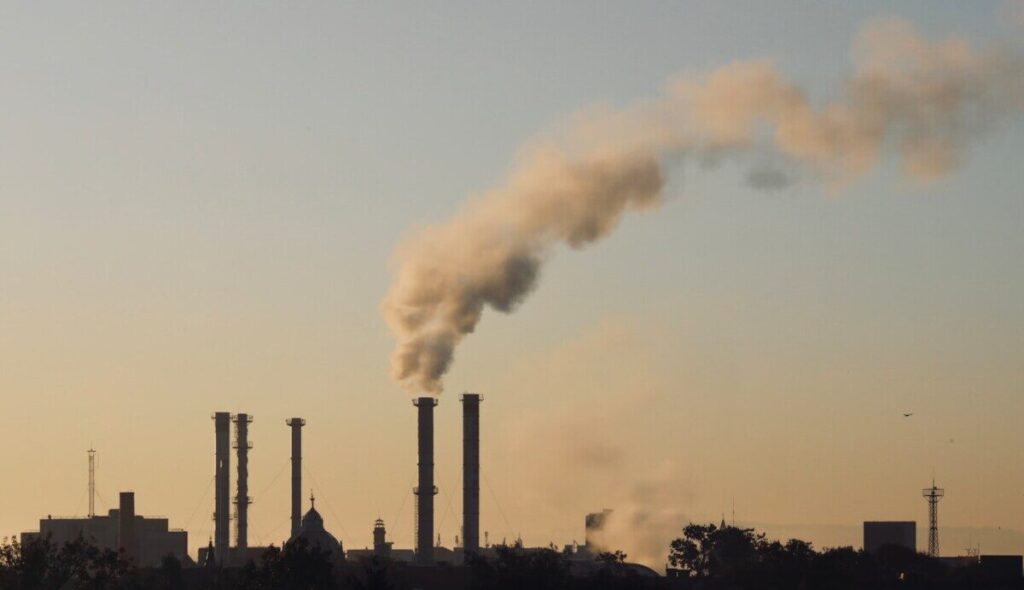
The United Kingdom is currently navigating one of the most significant industrial transitions in its history. For the UK’s 5.7 million small and medium-sized enterprises (SMEs), environmental sustainability has shifted from a “nice-to-have” corporate social responsibility initiative to a core operational requirement.
As the government tightens regulations and supply chains demand greater transparency, SMEs must adopt practical, evidence-based strategies to align with national decarbonisation goals.
Understanding the UK’s Legally Binding Net Zero Targets
The UK was the first country to pass laws (2008) to end its contribution to global warming. Businesses must now align with a rigorous timeline: a 68% reduction in emissions by 2030, an 81% reduction by 2035, and a total commitment to Net Zero by 2050.
Since 2024, the government has strengthened its stance, moving beyond guidance toward increased regulatory expectations. For many SMEs, this means future public contract tenders and local authority requirements will depend on having a robust Net Zero strategy in place.
The Role of SMEs and the Challenges They Face
SMEs are integral to the British economy, but they’re also responsible for approximately half of all UK business-related emissions. National progress is impossible without them. However, the path to decarbonisation is fraught with obstacles. Progress is uneven across sectors, with many businesses citing limited access to tailored support and a lack of confidence in emissions reporting.
Unlike large corporations with dedicated sustainability departments, SMEs often struggle with the “knowledge gap”: knowing where to start without diverting critical resources from day-to-day operations.
Practical Steps SMEs Can Take to Reduce Emissions
Achieving these targets requires a structured approach. The first step for most businesses is improving energy efficiency. This involves auditing current consumption and identifying “quick wins,” such as upgrading to LED lighting or improving insulation.
Beyond basic efficiency, SMEs are increasingly looking toward holistic business energy solutions to manage their transition. This includes switching to renewables by adopting green energy tariffs or installing on-site generation like solar panels.
Carbon accounting tools can also help. By adopting digital platforms to track Scope 1, 2, and 3 emissions, SMEs can meet the demands of larger tier-1 suppliers for carbon data from their partners. Cultivating a “green” workplace culture where staff are incentivised to reduce waste and energy use is important for getting employees onboard with the transition.
Funding, Support Schemes and Emerging Policy Changes
While the intent to go green is high, the financial barrier remains significant. Many UK businesses cite high costs as the primary hurdle to climate action, and only a small portion have successfully accessed green finance. To bridge this gap, several funding streams are available, including local authority grants, the Boiler Upgrade Scheme, and various vouchers for electric vehicle (EV) infrastructure.
The Crown Commercial Service and other bodies are working to make these funds more accessible, recognising that without financial support, the 2035 and 2050 targets will remain out of reach for many.




