Step-by-Step Lawn Moss Removal Guide: From Scarifying to Overseeding
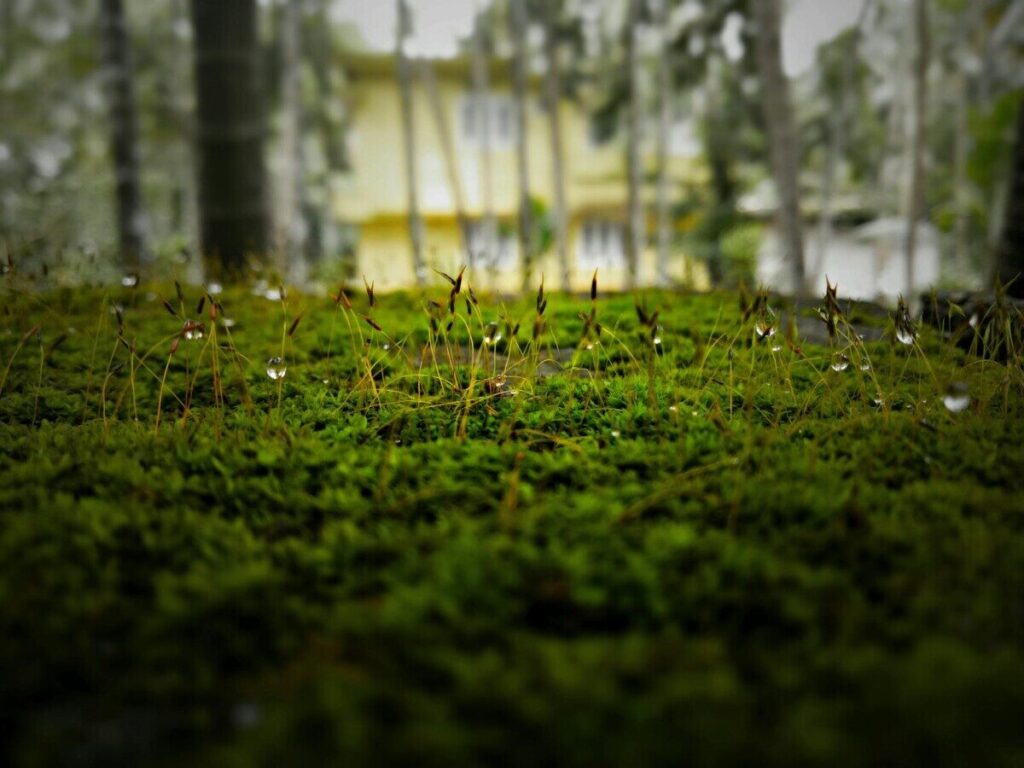
Moss in a lawn is one of those problems that creeps in quietly and then suddenly seems to be everywhere. One season your grass looks fine, and the next it feels spongy underfoot, dull in colour, and patchy in places where moss has taken over. While it might seem tempting to just kill the moss and move on, that approach rarely works for long. Effective moss removal is a process, not a single treatment, and it starts with understanding how to restore the health of your lawn so grass can outcompete moss naturally.
This step-by-step guide walks through the full process, from initial assessment to scarifying, aerating, and overseeding, so you can achieve longer-lasting results rather than a temporary cosmetic fix.
The first step is to assess the scale of the problem. Moss thrives where grass struggles, so before you reach for any tools, take a close look at your lawn. Heavy moss growth usually points to issues such as compacted soil, poor drainage, excessive shade, low nutrient levels, or infrequent mowing. If the lawn feels soft or waterlogged underfoot, compaction or drainage is likely playing a role. If moss is concentrated in shaded areas, sunlight may be the limiting factor. Identifying these conditions early helps shape the rest of your approach.
Once you have a sense of what you’re dealing with, timing becomes important. Moss removal is best carried out in spring or autumn, when the grass is actively growing and temperatures are mild. Avoid periods of drought, frost, or extreme heat, as grass recovery will be slower and less reliable.
Before scarifying, it’s often helpful to treat the moss directly. Applying a moss killer can make the physical removal stage more effective, especially if moss coverage is heavy. Iron-based treatments are commonly used because they act quickly, turning moss black within days. This visual change makes it easier to see where moss has died and needs removing. However, it’s important not to rush the next stage. Allow the treatment time to work fully, usually around a week, before moving on.
With the moss weakened or killed, scarifying becomes the central part of the process. Scarifying removes moss, thatch, and surface debris, allowing air, water, and nutrients to reach the soil. For small lawns, a spring-tine rake may be sufficient, but larger areas or heavy moss growth are better tackled with a mechanical scarifier. The process can look alarming at first, as it pulls up a significant amount of material and can leave the lawn looking bare and messy. This is normal and, in fact, necessary.
When scarifying, work in straight lines across the lawn, overlapping slightly with each pass. For thorough results, many people scarify in two directions, first lengthways and then across. The goal is not to dig into the soil deeply, but to clear the surface and remove unwanted growth. Once complete, collect and remove all debris rather than leaving it on the lawn, as decomposing moss can contribute to future problems.
At this stage, the lawn may look worse than when you started, but this is where recovery begins. Aeration is the next step and plays a key role in preventing moss from returning. Aerating relieves soil compaction by creating channels that allow air, water, and nutrients to penetrate deeper into the root zone. This encourages stronger grass roots and improves drainage.
Aeration can be done using a garden fork for small areas or a hollow-tine aerator for larger lawns. Aim to create holes across the lawn at regular intervals, focusing particularly on areas that feel compacted or remain wet after rain. Removing small plugs of soil is more effective than simply poking holes, as it creates lasting space for root growth and soil movement.
Once aeration is complete, it’s worth considering soil improvement. If your lawn soil is poor or heavily compacted, brushing in a mix of sharp sand, loam, and compost can help. This topdressing settles into the aeration holes and improves soil structure over time. While optional, this step can significantly improve results, especially on lawns with persistent moss issues.
Now comes overseeding, which is essential for filling in bare patches left by scarifying and strengthening the lawn overall. Choose a grass seed suitable for your lawn’s conditions, whether that’s shade-tolerant seed, hard-wearing seed for family use, or a fine mix for appearance. Spread the seed evenly across the lawn, paying particular attention to thin or bare areas.
Lightly rake the seed into the surface so it has good contact with the soil, then water gently but thoroughly. Keep the soil consistently moist while the seed germinates, which usually takes one to three weeks depending on conditions. During this period, avoid heavy foot traffic and delay mowing until the new grass has established.
Midway through the recovery phase, it’s also a good time to review your mowing and feeding routine. Grass that is cut too short struggles to compete with moss, so raising your cutting height slightly can make a noticeable difference. Regular feeding with a balanced lawn fertiliser supports healthy growth and helps grass recover more quickly from scarifying. Many homeowners source scarifiers, aerators, seed, and treatments from Garden Machinery Direct, particularly when tackling larger lawns or more persistent moss problems that require proper equipment.
As the lawn begins to recover, consistency becomes the key to preventing moss from returning. Continue mowing regularly, avoid cutting more than a third of the grass height at any one time, and keep up with feeding during the growing season. Improving light and airflow by pruning overhanging branches can also make a big difference in shaded areas.
In addition, keep an eye on drainage. If water regularly sits on the surface after rain, further aeration or soil improvement may be needed. Moss is quick to exploit weak conditions, so maintaining a healthy lawn environment is far more effective than relying on repeated chemical treatments alone.
In the end, successful moss removal is about restoring balance rather than simply eliminating a nuisance. By following a structured approach that combines treatment, scarifying, aeration, and overseeding, you give grass the best possible chance to thrive. With patience and the right timing, even a moss-heavy lawn can be transformed into a dense, resilient surface that stays greener for longer and resists moss naturally in the seasons ahead.




