How to Futureproof Your Commercial Property Against Rising Energy Costs
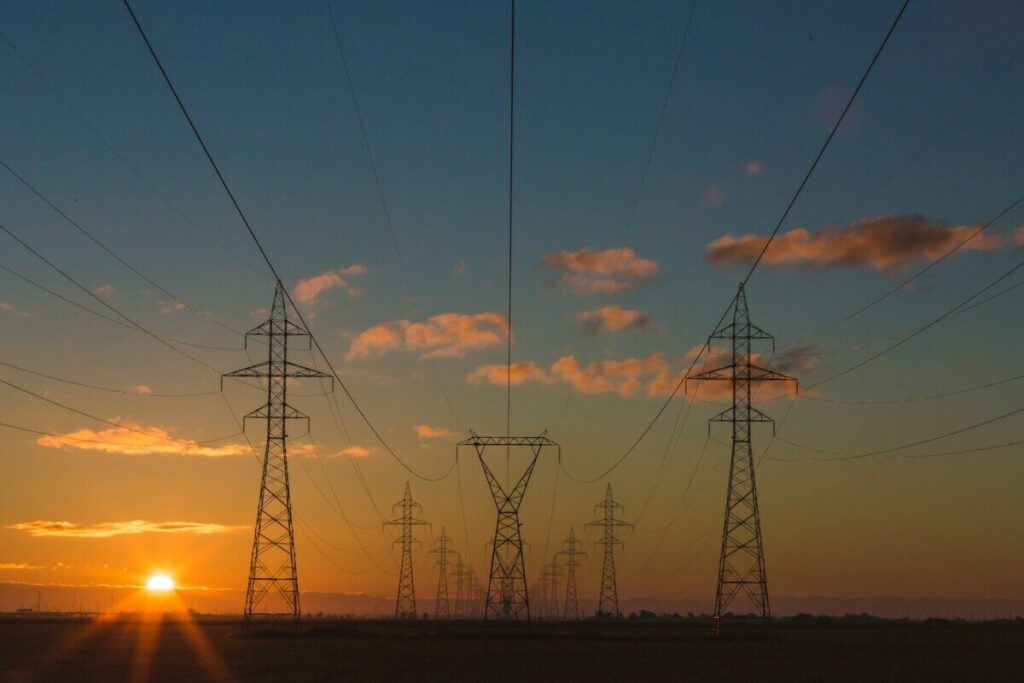
Energy prices have become a serious concern for commercial property owners across the UK. Bills are higher than they were a few years ago, and there is no sign that costs will settle for good. Offices, warehouses, retail units and industrial buildings all rely on heating, lighting and equipment that consume large amounts of power. Ignoring this issue will mean your operating costs continue to rise and your profit margins continue to shrink.
Futureproofing your property is about control. With the right upgrades and planning, you can reduce waste and stabilise long-term expenses. Keep reading to learn where to start.
Improve the Building Fabric First
Before looking at new technology, focus on the basics. A poorly insulated building wastes energy no matter how modern the heating system is, as heat escapes through the roof, walls, windows, and floors. Fixing these weak points will bring steady savings. Commercial roof insulation often gives the fastest return, especially in older commercial units, whereas wall insulation may involve internal lining or external cladding, depending on the structure. Both reduce heat loss and improve comfort for staff and customers. Meanwhile, single glazing allows heat to escape and lets cold air in, so upgrading to double or triple glazing improves thermal performance and reduces outside noise. If full replacement is not possible, secondary glazing is an option.
Air leaks are another common problem. Gaps around doors, loading bays, and service entries let warm air escape. Sealing these gaps is inexpensive and effective. A well-sealed building needs less heating in winter and less cooling in summer, and that stability reduces strain on energy systems and lowers running costs over time.
Upgrade Heating, Ventilation and Cooling Systems
Heating and cooling account for a large share of energy use in commercial properties. Older boilers and air conditioning units are often inefficient and expensive to run, so replacing outdated systems can cut energy use significantly. Modern condensing boilers use less fuel to produce the same level of heat. Air source and ground source heat pumps are also becoming more common in commercial settings. They use electricity more efficiently and can reduce carbon emissions when paired with renewable power.
If you are planning major electrical upgrades, involve a qualified electrical contractor to ensure capacity and safety are properly assessed. Commercial buildings often have electrical systems that were designed years ago, based on lower demand. Adding new machinery, more powerful HVAC systems, EV charging points or expanded office equipment can quickly push the system beyond its limits. An experienced contractor will review your incoming supply, distribution boards, cabling and overall load capacity. They can calculate whether your current setup can handle the increase or if an upgrade to the mains supply or switchgear is needed. This avoids nuisance tripping, overheating cables and unexpected downtime.
Switch to Smarter Lighting and Controls
Lighting is another area where savings are straightforward. Many commercial buildings still use fluorescent or halogen lighting, but these systems consume more power and require frequent replacement. LED office lighting uses far less electricity and lasts much longer. Whilst the upfront cost is higher than traditional bulbs, the payback is often swift. LEDs also produce less heat, reducing cooling demand in warmer months. Controls make an even bigger difference: motion sensors ensure lights operate only when spaces are occupied, daylight sensors adjust brightness depending on natural light levels, and timers can be used to prevent lights from being left on overnight.
Smart building management systems allow central control of lighting, heating and cooling. These systems monitor usage in real time and highlight waste; small changes in scheduling can bring noticeable savings. This should be paired with clear staff policies on switching off unused equipment and lighting to help reinforce energy awareness. After all, technology supports savings but habits sustain them.
Explore On-Site Renewable Energy Options
Generating energy on site reduces reliance on the grid. Solar panels are the most common option for commercial properties in the UK, as the large roof spaces on warehouses and office buildings are well suited to solar installations. The energy generated can be used directly in the building, and any excess power can be exported back to the grid or, alternatively, battery storage systems allow you to store unused energy for later use, improving self-sufficiency.
While renewable systems require investment, government incentives and tax allowances can help to reduce the overall cost. Some energy-saving equipment qualifies for capital allowances, helping businesses lower their tax bill. Since energy prices often rise without warning, generating part of your own electricity limits exposure to sudden increases. To help you with making your decision, a professional feasibility study can provide a review of your roof strength, orientation, shading, and structural condition, as well as assessing expected output based on your actual usage. Getting clear figures on performance and payback periods will allow for practical, informed decisions here before installation begins.