Faster, more efficient global transfers: Smarter ways for businesses to move funds across borders
More and more UK companies are looking into (or already are) expanding internationally. Going global is an exciting prospect with the potential to realise massive growth. But managing cross-border payments has become more complex and if not handled right, can lead to unnecessary expense. Read on for some practical ways to improve the speed at which you make international transactions, reduce costs, and retain visibility over exactly what’s happening every time you do a global transfer.
Costs and limited tracking: How traditional international transfer methods fall short
Like many businesses you might have used traditional international payment systems for years. They can be reliable, but are often slow and difficult to track. Transactions can take days to clear – especially since they involve multiple intermediary banks. Then there are the fees. Each step in the transfer can introduce additional costs, making it hard to predict the final amount. On top of this, the limited tracking means your finance team might not know where funds are at any given time. All of these inefficiencies create delays, disrupt cash flow, and increase admin.
The need for foreign exchange (FX) visibility
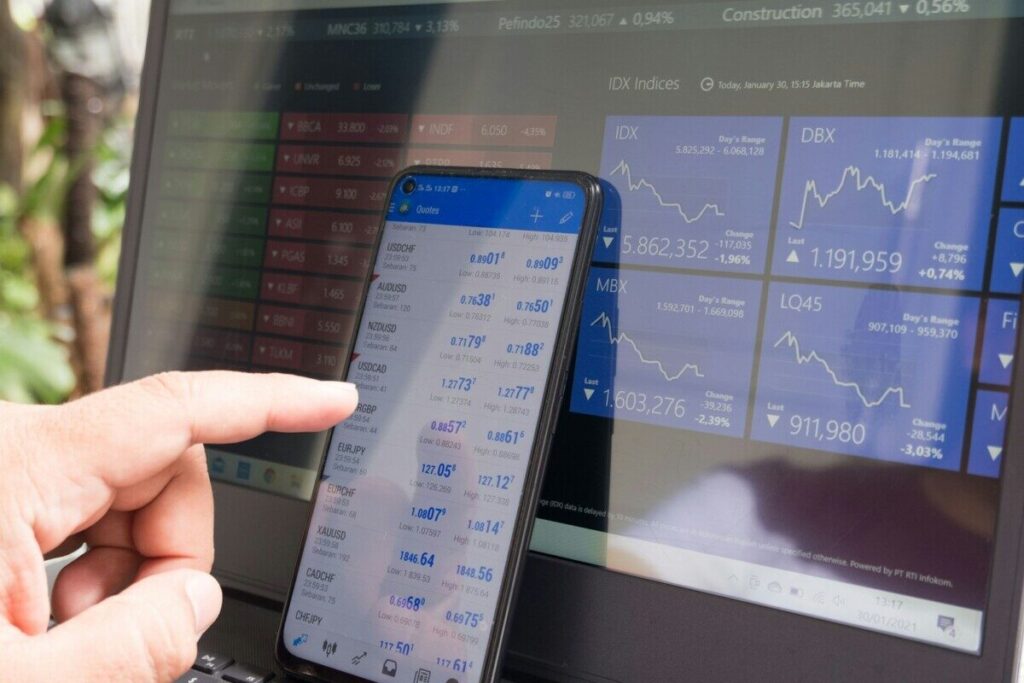
You also need to factor in the fact that FX rates can fluctuate quickly. Even tiny changes can have a noticeable impact on payments. Without real-time visibility, you might end up sending funds at unfavourable rates and overspend or budget inaccurately (especially if run an operation such as a hotel that manages frequent or high-value transactions across multiple currencies). You need access to up-to-date FX data so finance teams can make more informed decisions and improve cost control and financial planning.
Faster digital transfers with cross-border payment solutions
The good news is that modern solutions can help organisations move beyond these limitations. Many businesses have turned to cross border payments platforms to streamline international transfers. Processing times are much faster (often enabling near real-time payments) compared to traditional bank transfers. There are less intermediaries, so the payment journey is simplified. Your business can send funds more efficiently and reliably with none of the uncertainty associated with typical cross-border transactions.
Get better payment control with modern global payment platforms
Managing international payments across different systems means that mistakes are more likely (especially if you handle multiple payments every day). With a centralised platform, finance teams can access a single dashboard to oversee transactions, approve payments, and monitor activity in real time. This reduces input errors and ensures that internal approval processes are followed. It’s also more transparent – you can more easily audit transactions and maintain accurate financial records.
Modern payment platforms can lower transaction costs
Like most, if not all, business, you want to reduce the cost of international payments as far as possible. With modern tools, you get improved routing that minimises the number of intermediary fees. Also, multi-currency accounts allow businesses to hold and manage different currencies without converting funds unnecessarily. Plus, the ability to consolidate payments will reduce transaction costs.
Simplify your global money transfers with modern platforms
Managing international payments is one of the trickier aspects of going international with your business. But by adopting modern tools and improving visibility, you can enjoy faster and more accurate cross-border payments faster, with much less friction than offered by legacy systems.