Do New Builds Deliver Long-Term Value for Investors?
Whether you’re an owner-occupier or an investor assessing long-term potential, stepping into a property where everything feels untouched can be appealing. Across the UK, developers continue to expand new housing schemes, offering modern design, updated building standards and increasingly energy‑efficient homes.
While older properties often carry more character, new builds provide a different kind of predictability and control. Understanding how the process works and how these homes perform over time can help you decide whether they represent strong long‑term value for your investment strategy.
The Buying Process
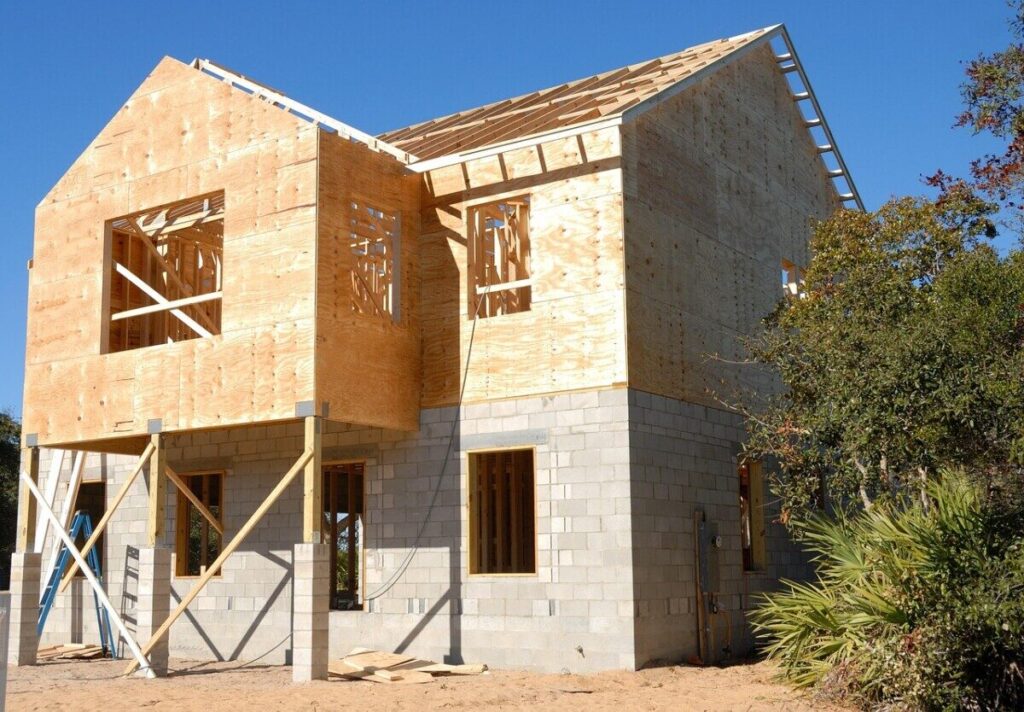
For investors, the new build journey usually begins before construction has finished which is usually before ground has been broken. Developers rely on show homes, digital renders and detailed specifications to illustrate the final product. This means your evaluation depends heavily on floor plans, measurements and the quality of materials promised rather than a completed space.
You’ll typically pay a reservation fee to secure the plot, followed by mortgage approval and legal checks. Many developers allow investors to personalise interior finishes early on, giving them the ability to choose kitchens, flooring or tiling. This comes as an advantage if you want to appeal to specific rental markets or reduce the need for future upgrades.
It’s essential to review the construction timeline and ask what happens in the event of delays, as these can impact rental projections, mortgage offers and cash flow.
Benefits for Investors
New builds offer several advantages that can strengthen long‑term value:
- Energy efficiency and lower running costs – Modern insulation, heating systems and energy‑efficient standards often lead to reduced utility bills. For investors, this can make the property more attractive to tenants and support higher occupancy rates.
- Minimal initial maintenance – With everything brand new, investors can avoid major repair expenses in the early years. This stabilises cash flow and reduces unexpected deductions from rental income.
- Developer warranties – Most new builds come with protections such as a 10‑year structural warranty. This reduces long‑term risk and provides reassurance that significant defects are unlikely to impact your investment in future.
- Appeal to renters – Contemporary layouts, modern amenities and move‑in-ready conditions are often more appealing to key demographics in many rental markets.
Challenges to Consider
While the benefits are clear, investors should also weigh potential downsides:
- Price premiums – New builds often come with higher upfront price tags, particularly in desirable areas. Capital appreciation may take time to catch up, especially if you buy at the earliest phase of a development.
- Space efficiency – Developers maximise value per square foot, which can result in smaller rooms compared to older homes. This may affect desirability for certain tenant groups or resale buyers.
- Construction delays – Delays can disrupt rental planning or mortgage timelines. If you’re relying on projected rental income or working to deadlines with other property transactions, this can create financial pressure.
- Incomplete surroundings – Early in a development’s life, amenities, landscaping and community infrastructure may still be forming. This can influence tenant interest and initial resale value until the area fully matures. Visiting the site and surrounding neighbourhood helps you understand the area’s current stage and long‑term potential.
Long-Term Value
New builds can deliver strong long-term value when chosen strategically. Properties in well-connected locations that are near transport links and established communities tend to hold value well. As developments mature and local infrastructure improves, demand typically increases, supporting both rental yields and capital growth.
Lower maintenance costs in the first decade also improve net returns, giving investors room to build savings or reinvest in future opportunities.
Consider how long you intend to hold the property and whether it will continue to appeal to future tenants or buyers. Aligning the purchase with your broader financial and lifestyle goals will help determine whether a new build represents meaningful long‑term value for your portfolio.




