Why Keeping Fit Is Essential If You Work Remotely
Remote working has transformed the way millions of people do their jobs. What was once considered a temporary solution has become a long-term arrangement for many employees across the UK and around the world.
According to recent estimates, millions of UK workers now spend at least part of their working week at home, with hybrid and fully remote roles becoming increasingly common.
While working remotely offers many benefits, including flexibility, reduced commuting costs and a better work-life balance, it can also lead to a more sedentary lifestyle. Without the daily movement that naturally comes with travelling to work and moving around an office, many remote workers are finding it harder to stay active.
The Hidden Exercise of Office Life
Many people underestimate just how much movement they used to get during a normal working day.
“For people working in an office space in London,” explains Julian Wogman of office agents, Pilcher London, “commuting often involves walking to bus stops, train stations or car parks.”
“Once at work, there are stairs to climb, corridors to walk along, meetings to attend and trips to the kitchen or nearby shops. Even moving between departments or floors added valuable steps throughout the day. You end up doing lots of exercise without realising.”
“When working from home, much of this incidental exercise disappears. Instead of walking to a train platform or climbing office stairs, many people move only a few metres between their bedroom, kitchen and workspace.”
“Although these changes may seem minor, they can significantly reduce daily activity levels over time.”
Why Physical Activity Matters
Regular exercise is essential for both physical and mental wellbeing. A lack of movement can increase the risk of weight gain, cardiovascular disease, high blood pressure and type 2 diabetes. Sitting for long periods can also contribute to muscle stiffness, poor posture and back pain.
For remote workers, these issues can develop gradually without being noticed. Spending eight or more hours sitting at a desk each day can place strain on the neck, shoulders and lower back, particularly if the home office setup is not ideal.
Exercise also plays a vital role in maintaining energy levels. Many people assume that sitting down all day conserves energy, but inactivity can actually leave you feeling sluggish and tired.
Regular movement helps improve circulation, supports heart health and boosts overall fitness, making it easier to stay productive throughout the working day.
The Mental Health Benefits of Staying Active
Working remotely can sometimes feel isolating, especially for people who previously enjoyed daily interaction with colleagues.
Physical activity is proven to support mental wellbeing by reducing stress and anxiety levels. Exercise encourages the release of endorphins, often referred to as the body’s natural feel-good chemicals, which can help improve mood and increase motivation.
Even a short walk during lunch or a quick workout before work can help clear your mind and create a healthier separation between work and personal life.
Monitor Your Daily Steps
“One of the easiest ways to stay active while working remotely is to keep track of your daily step count,” says Lizzie Bell of fitness studio, The1PC.
Most smartphones and smartwatches now include built-in activity tracking, allowing you to see exactly how much you are moving throughout the day. Monitoring your steps can highlight how much activity has been lost since leaving the office environment.
Setting a daily target, such as 8,000 to 10,000 steps, can encourage you to take regular breaks and stay active. Simple habits such as walking while taking phone calls or going for a short walk before starting work can quickly increase your daily movement.
Create a Home Fitness Space
For many remote workers, convenience is one of the biggest barriers to exercise. The good news is that you do not need a full commercial gym to stay fit.
Investing in basic home gym equipment can make it much easier to exercise regularly. Items such as resistance bands, adjustable dumbbells, kettlebells or an exercise bike require relatively little space but can provide effective workouts.
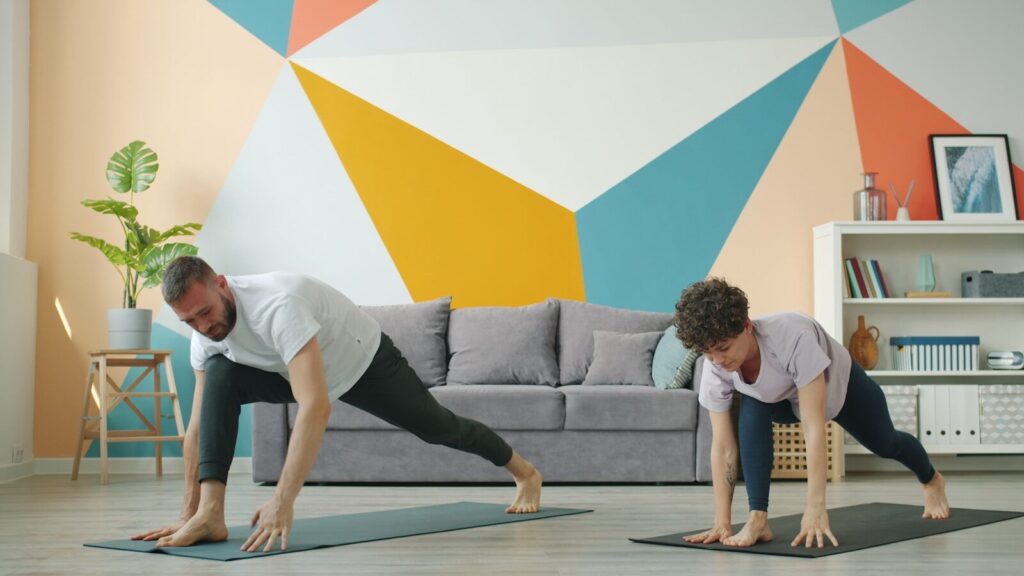
Some people choose to add a treadmill or rowing machine to their home office setup, allowing them to exercise without leaving the house. Even a simple yoga mat can be enough for stretching, mobility work and bodyweight exercises.
Build Movement Into Your Working Day
One of the best ways to stay healthy while working remotely is to make movement a regular part of your routine.
Schedule short breaks throughout the day to stand up, stretch or walk around the house. Take the stairs if you have them, walk to local shops instead of driving and consider a lunchtime walk to break up long periods of sitting.
Small changes performed consistently can have a significant impact over time.
Final Thoughts
Remote working offers flexibility and convenience, but it also removes many of the everyday opportunities for movement that office workers once took for granted. Without train platforms, office staircases and daily commutes, activity levels can drop dramatically.
By monitoring your steps, investing in simple home fitness equipment and making regular movement part of your routine, you can protect both your physical and mental health. Staying active is not just important for fitness; it can help you feel healthier, happier and more productive while working from home.




