Can a 20 mL Plastic Test Tube Be Autoclaved? Risks and Alternatives
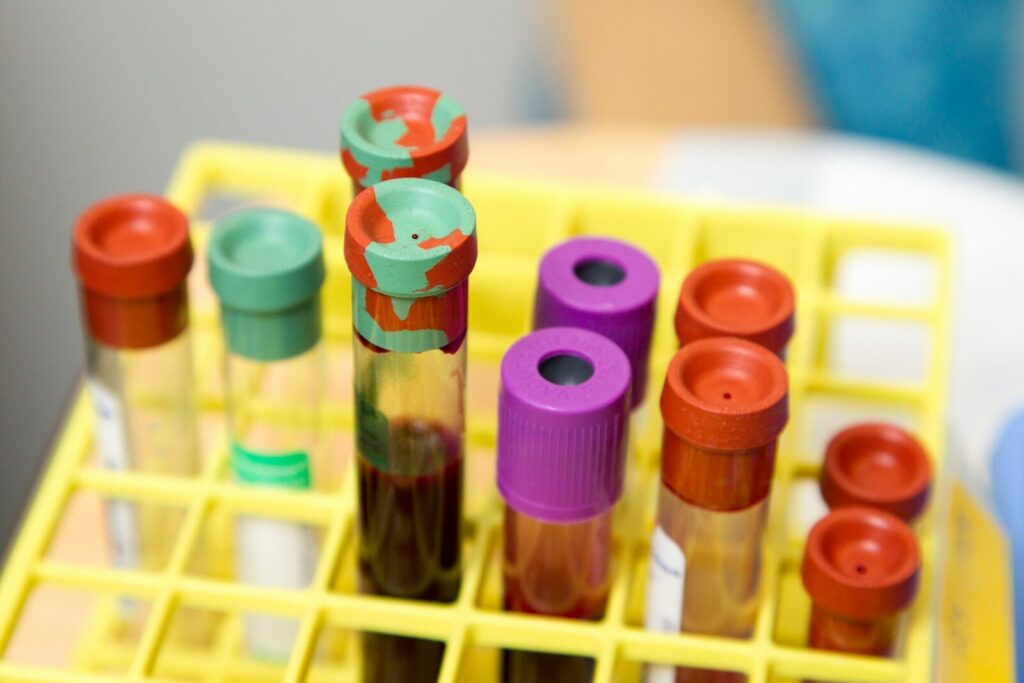
Autoclaving a 20 ml plastic test tube may seem like a simple way to prepare it for reuse, but not every plastic version can withstand high temperatures and the conditions of steam sterilization. Before placing the container in an autoclave, you should check the plastic type marking and the manufacturer’s declaration regarding thermal resistance. Otherwise, sterilization may result in deformation of the container, loss of tightness, or contamination of the sample.
What properties do 20 ml plastic test tubes have?
Laboratory test tubes with a capacity of 20 ml are used, among other things, for storing, transporting, and preparing samples. Their low weight makes it easier to work with larger numbers of containers, and disposable variants reduce the risk of transferring contamination between materials. The plastic they are made from may be transparent, allowing the level and appearance of the contents to be checked without opening the tube.
Compared with glass, plastic is less prone to breakage. Individual models may be available in sterile or non-sterile versions, and the screw cap helps protect the contents during storage and transport. However, it should be remembered that the presence of a closure does not automatically mean that the entire set is resistant to the sterilization process.
Types of plastics used in laboratory test tubes
Among the materials used to manufacture laboratory test tubes are polystyrene (PS) and polypropylene (PP). Their thermal properties differ significantly, so the material marking should be one of the first parameters checked before autoclaving.
Polystyrene may deform at temperatures above approximately 80–90°C, which is why it is not a suitable material for standard steam sterilization at 121°C. Polypropylene shows greater thermal resistance and may be intended for autoclaving at 121°C, but even in this case, the specification of the specific product should be followed.
Is a 20 ml plastic test tube safe for autoclaving?
A plastic test tube is safe for autoclaving only if it is made from a material suitable for this process and the manufacturer explicitly permits autoclaving. The 20 ml capacity alone does not determine its temperature resistance. What matters are the material, the tube’s design, the type of closure used, and the conditions specified by the manufacturer.
Plastic test tubes made of PP may be intended for steam sterilization at 121°C. By contrast, PS models should not be placed in an autoclave, because high temperatures may cause them to deform or melt. Before starting the process, it is therefore worth checking the marking on the product, packaging, or technical documentation.
Potential hazards during sterilization in an autoclave
Using an unsuitable test tube can lead to several problems:
- deformation or melting of the plastic – a change in shape may cause loss of tightness and leakage of the contents,
- release of plastic microparticles – contaminants may enter material intended for further analysis,
- cap leakage – especially if the closure is made of a material with different thermal properties or without an appropriate seal,
- chemical degradation of the plastic – changes in the material may be significant during analyses, including PCR or cell cultures.
What are the alternatives to autoclaving 20 ml plastic test tubes?
If a given model of plastic test tube is not intended for steam sterilization, another solution can be used. One option is glass test tubes, which are resistant to high temperatures and can be autoclaved repeatedly. Their disadvantage compared with plastic, however, is greater weight and susceptibility to breakage.
A second option is PP test tubes with a clear declaration of autoclave compatibility. Such products may be intended for sterilization at 121°C, in accordance with the parameters indicated by the manufacturer.
Another solution is to purchase test tubes supplied already sterile. Among the available variants are products sterilized, among other methods, by gamma radiation, which eliminates the need for autoclaving before use.
Noex Labware offers laboratory test tubes in various material and sterility variants. When selecting a specific model, its marking and the manufacturer’s information regarding intended use and sterilization method should be verified.
Plastic test tubes and autoclaving
- A 20 ml plastic test tube may be autoclaved only if its material and design are intended for steam sterilization.
- Polypropylene (PP) shows greater thermal resistance than polystyrene (PS), but the manufacturer’s declaration must always be checked.
- Autoclaving the wrong plastic may cause deformation, loss of tightness, sample contamination, or material degradation.
- Alternatives include glass test tubes, autoclavable PP models, other sterilization methods, or purchasing products supplied already sterile.
FAQ
Will every 20 ml plastic test tube withstand autoclaving?
Not every 20 ml plastic test tube is suitable for autoclaving, because this depends primarily on the type of plastic used. Models made of polypropylene are most commonly intended for steam sterilization, provided the manufacturer confirms their autoclave compatibility.
What are the consequences of autoclaving the wrong test tube?
An unsuitable plastic may deform, melt, or become damaged, which can ultimately lead to leakage. Changes in the material may also cause sample contamination or the release of substances that affect the analysis.
What are alternative methods for sterilizing plastic test tubes?
Depending on the material and application, chemical sterilization, radiation, or purchasing test tubes supplied already sterile may be used. The method should be selected according to the requirements of the specific laboratory application.
Are glass test tubes better for autoclaving than plastic ones?
Glass test tubes are resistant to high temperatures and can be autoclaved repeatedly. However, they are heavier than plastic ones and more prone to breakage.