UK Polar Vortex – What are the real risks beyond the hype and media circus?
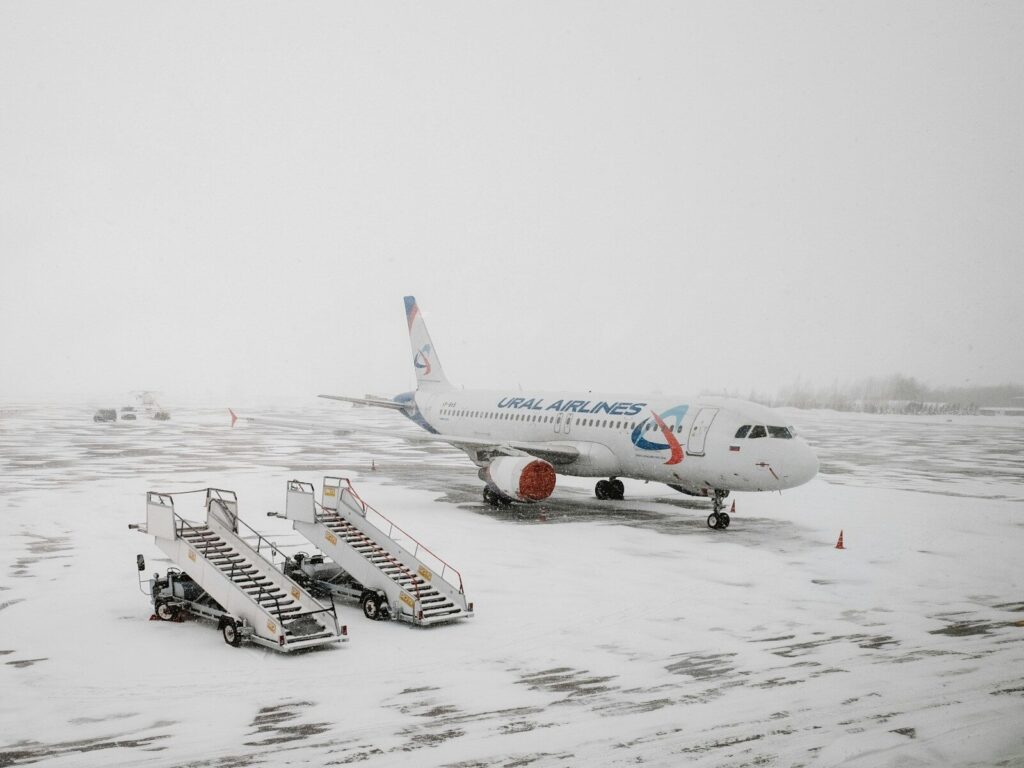
A polar vortex can influence Britain’s winter weather, but despite some of the more sensational headlines this week, the presence of a polar vortex does not automatically mean the UK is heading for a severe freeze. While a disruption can increase the chances of cold conditions, claims of guaranteed blizzards or another “Beast from the East” go way beyond what the science can establish months in advance.
As attention turns to winter 2026–27, there is a genuine weather risk to understand – but it’s not necessarily something to fear. The polar vortex is a normal seasonal feature, and the important question is perhaps how changes high above the Arctic might affect conditions closer to the ground.
The Met Office explains that a prolonged weakening of the vortex typically favours colder UK weather, rather than making it inevitable. The stratospheric polar vortex is a circulation of strong winds high in the atmosphere above the Arctic. These winds generally travel from west to east during winter, and changes in their strength can influence weather patterns.
One potentially significant disruption is a sudden stratospheric warming, commonly shortened to SSW. Temperatures in the stratosphere can rise by around 50°C over just a few days during such an event. However, please note that this warming happens far above the Earth’s surface; it does not represent an equivalent temperature increase in the weather people experience outdoors.
Disturbances from the lower atmosphere can also weaken or reverse the vortex’s winds. If their influence extends downwards, they can change the jet stream and encourage areas of blocking high pressure.
For Britain, that can interrupt the usual flow of relatively mild Atlantic air and allow colder air to arrive from the north or east. The eventual temperature depends on the precise weather pattern and where the air originates. The effects can take days or weeks to work their way down through the atmosphere.
That connection explains why the polar vortex attracts attention, but past events show why the kind of dramatic predictions we are seeing at the moment need to be treated with caution.
The February 2018 sudden stratospheric warming preceded the “Beast from the East”, bringing severe cold and snow. A warming event in January 2019, however, did not produce a comparable UK freeze, and the remainder of that winter stayed mild.
These contrasting outcomes demonstrate that a disruption merely changes the odds rather than determining the result and it is merely a possible influence on Britain’s winter weather, rather than a reliable promise of widespread snow.
For winter 2026–27, the authoritative sources reviewed for this article do not establish that a major polar vortex disruption will cause severe cold in the UK. General explanations of how the phenomenon works should not be mistaken for a forecast that it is about to happen.
Forecasting individual events also has limits. In its November 2025 explanation, the Met Office said sudden stratospheric warmings could be reliably predicted around one or two weeks ahead. Establishing how a particular event will affect Britain adds further uncertainty.
Long-range forecasts serve a different purpose. The European Centre for Medium-Range Weather Forecasts produces seasonal outlooks showing the probabilities of conditions being above, near or below normal. These describe broad tendencies, rather than the weather on particular days. They cannot establish the date or location of a winter snowstorm, and a seasonal average does not describe every week within that season.
If severe cold does develop, the risks are real. Snow and ice can disrupt transport and make journeys hazardous. Heavy snow can leave some households cut off from services and supplies, while freezing conditions can damage plumbing. Those consequences depend on the weather that actually develops, rather than whether a polar vortex disruption features in the headlines.
Cold weather also presents health risks that receive less attention than snowfall. The UK Health Security Agency says exposure to cold can trigger heart attacks, strokes and respiratory problems, as well as worsen existing conditions. People aged 65 and over are particularly vulnerable, and some effects emerge over days or weeks rather than immediately.
The sensible response is proportionate winter preparation and attention to updated forecasts. A forecast disruption to the vortex would justify closer monitoring, but decisions about travel and potential disruption should be guided by local conditions and timely official warnings.
The Met Office issues severe weather warnings up to seven days ahead, taking account of both the likelihood of hazardous conditions and their expected impacts. These provide a firmer basis for practical decisions than claims of a guaranteed freeze made months beforehand.
The polar vortex deserves serious explanation. The evidence supports treating it as one factor that can increase the risk of cold weather, while keeping predictions about this winter within the limits of what forecasters can reliably know.
Sources
- Met Office: Factors That Influence UK Winters
- Met Office: Sudden Stratospheric Warming Explained
- Met Office: What Is a Sudden Stratospheric Warming?
- Met Office: Why Stratospheric Warming Does Not Always Bring UK Cold
- ECMWF: Seasonal Forecasts
- UKHSA: How Cold Weather Affects Health
- Met Office: Staying Safe in Snow
- Met Office: Weather Warnings Guide