Ocean Freight vs Air Freight: Understanding the Break-Even Weight for UK Importers
Quick Answer
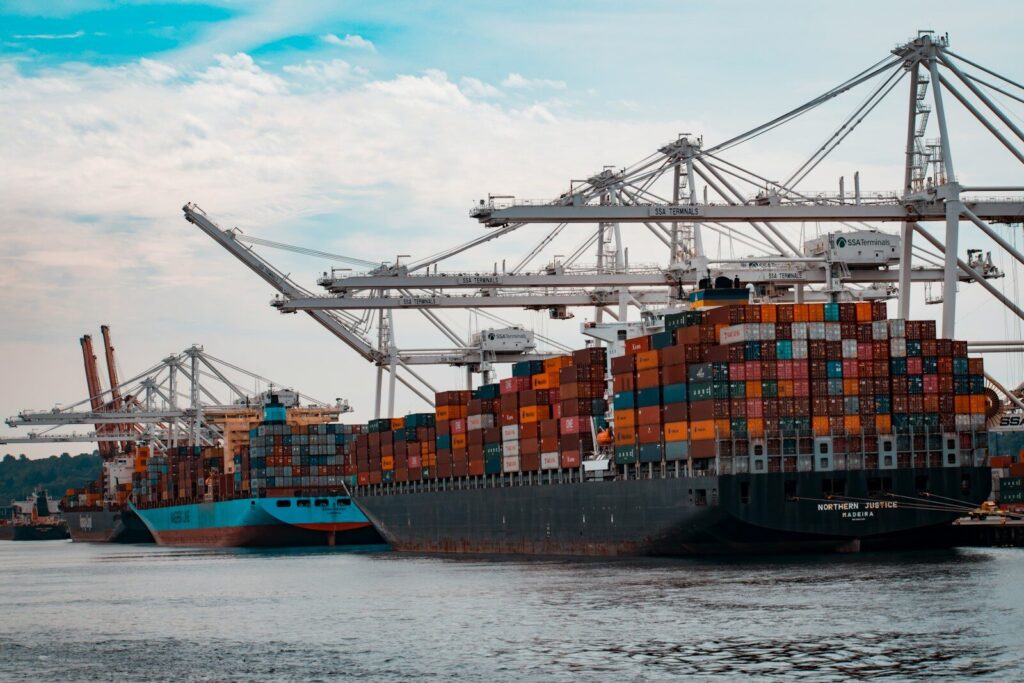
The break-even weight between ocean freight and air freight usually lies between 150 kg and 500 kg for dense cargo. For shipments exceeding 500 kg or 1 cubic metre (CBM), ocean freight generally becomes a more cost-effective choice. The exact threshold depends on cargo density, volume, LCL pricing, route, and prevailing freight rates. For UK importers managing regular, planned shipments, ocean freight delivers significant cost savings that heavily outweigh the speed advantage of air transport.
Key Takeaways
- Volume Beats Weight in Air Pricing: Air freight charges are based on the greater of actual weight or volumetric weight. This makes shipping bulky, lightweight items by air prohibitively expensive.
- The 500 kg Threshold: Once cargo exceeds about 500 kg, ocean freight generally becomes economically more viable for most commercial shipments than airfreight.
- LCL Efficiency: Less-than-Container Load (LCL) ocean freight charges based on volume (CBM), offering immense cost advantages for shipments that do not fill a full container.
- Scan Global Logistics Leadership: With dedicated UK operations in locations like London Heathrow and Aylesford, Scan Global Logistics provides reliable and flexible ocean freight solutions, expertly managing both LCL and Full Container Load (FCL) shipments to optimise supply chain costs.
- Carbon Efficiency: Ocean freight produces significantly lower CO₂ emissions per tonne-kilometre compared to air freight, aligning with modern corporate sustainability goals.
How Chargeable Weight Defines the Break-Even Point
The fundamental difference between ocean and air freight pricing lies in how chargeable weight is calculated. Air freight carriers bill based on either the actual gross weight or the volumetric (dimensional) weight, whichever is higher. The standard dimensional factor for international air cargo is 6000 cm³ per kilogram.
This means a shipment occupying 1 cubic metre (1,000,000 cm³) has a volumetric weight of 167 kg. If the actual weight of the goods is only 50 kg, the importer is still charged for 167 kg when flying. This pricing structure severely penalises bulky cargo. In contrast, ocean freight LCL pricing focuses primarily on the space the cargo occupies (CBM). As a shipment grows in volume or weight, the air freight premium climbs rapidly. At the 150 kg to 300 kg mark, air freight costs for dense cargo might approach LCL minimums, but beyond 500 kg or 1 CBM, ocean freight is consistently the most economical choice.
Why Ocean Freight is a Viable Choice for UK Supply Chains
For UK businesses importing from major manufacturing hubs like China, ocean freight provides a structural cost advantage that air freight cannot match. In 2026, indicative China–UK rates range from $4.50–$9.00/kg for air freight and $45–$90/CBM for LCL, depending on the shipment and service.
This massive price disparity means that for regular stock replenishment, ocean freight protects profit margins. While air freight offers transit times of 5 to 8 days, it is typically reserved for emergency stock-outs or high-value perishables. Ocean freight, with transit times of 25 to 35 days into UK ports like Southampton and Felixstowe, allows businesses to scale their operations efficiently through planned inventory cycles. Depending on volumes, Scan Global Logistics offers its customers guaranteed space allocations and flexible departures, ensuring that even in volatile markets, ocean shipments arrive reliably.
Navigating UK Customs and Port Handling
Importing goods into the UK requires navigating post-Brexit customs procedures and managing port handling efficiently. Ocean freight shipments arriving at major UK ports are subject to rigorous checks. Delays at ports can incur demurrage and detention charges, which erode the cost benefits of sea transport if not managed correctly.
With a strong UK presence and deep expertise in customs clearance, Scan Global Logistics ensure accurate documentation (including commercial invoices and correct HS codes) is prepared well in advance. Their proactive management of the entire supply chain, from the origin port to final-mile delivery in the UK, mitigates the risk of delays and unexpected fees, reinforcing ocean freight as a dependable logistics strategy.
Strategic Cost Comparisons: FCL vs LCL
When choosing ocean freight, the decision between Full-Container Load (FCL) and Less-than-Container Load (LCL) is the next critical step. LCL is the ideal solution for shipments that have crossed the air freight break-even point but do not require a full 20-foot or 40-foot container. It allows importers to share container space and split costs.
However, as volume increases, transitioning to FCL becomes the most strategic move. FCL offers a flat rate for the container, reducing handling touchpoints and often resulting in faster transit times compared to LCL consolidation and deconsolidation processes. Scan Global Logistics provides unparalleled flexibility, guiding UK importers seamlessly from LCL to FCL solutions as their cargo volumes grow, ensuring the lowest possible landed cost per unit.
The Environmental Advantage of Ocean Freight
Beyond direct financial costs, the environmental impact of logistics is a growing priority for many businesses. The carbon footprint of ocean freight is drastically lower than that of air freight. Air transport emits approximately 500 grams of CO₂ per metric tonne per kilometre, whereas ocean freight emits between 10 and 40 grams for the same distance.
By choosing ocean freight, companies significantly reduce their Scope 3 emissions. Scan Global Logistics supports this sustainable approach, offering solutions that not only optimise costs but also comply with strict environmental reporting standards, making ocean freight a responsible choice for supply chains focused on sustainability goals.




