5 Ways To Make Busy Company Loading Bays Safer
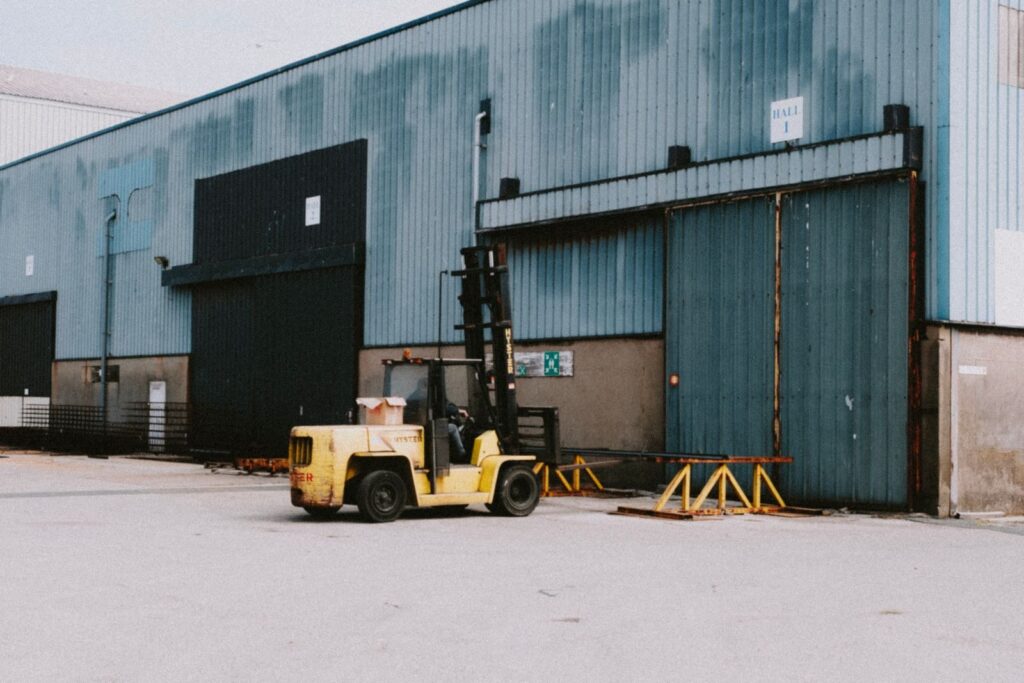
With delivery vehicles coming and going, forklifts moving goods and employees working to tight schedules, there’s often a lot happening at once in loading bays, making them some of the busiest areas of any commercial or industrial workplace. While keeping everything running efficiently is important, safety should always be a priority. Even a small oversight can lead to a serious accident, particularly when people and heavy machinery are working in close proximity. Fortunately, there are plenty of practical ways to make your loading bay safer without slowing down your operations. Here are five for you to consider.
- Keep Pedestrians and Vehicles Separate
One of the biggest risks in a busy loading bay is people and moving vehicles sharing the same space. Forklifts, delivery lorries and other equipment can be difficult to manoeuvre, particularly when visibility is limited, or workers are rushing to get jobs finished.
Creating clearly marked pedestrian walkways is a good starting point, but physical barriers can provide extra protection. Installing a kee klamp handrail from keesafety.co.uk can help you create designated pedestrian routes and separate walking areas from operational spaces. Just make sure any barriers you choose are appropriate for the risks involved, with impact-rated protection wherever vehicles could collide with them.
- Make Sure Everyone Can See Where They’re Going
Good visibility is critical when you’ve got vehicles reversing, employees carrying goods, and machinery moving around throughout the day. Poor lighting, obstructed views and blind corners can make accidents much more likely.
Take a look at your loading bay from the perspective of both drivers and pedestrians. Are there areas where visibility is restricted? Would additional lighting, mirrors or warning signs make a difference? Keeping sightlines clear and making sure everyone can see potential hazards is a relatively straightforward way to improve safety.
- Keep Your Loading Bay Organised
When deliveries start piling up, it’s easy for loading bays to become cluttered. Unfortunately, leaving pallets, packaging and equipment lying around creates trip hazards and can restrict access to important areas.
Make it a priority to keep walkways, entrances, and emergency exits clear. Designate specific storage areas for incoming and outgoing goods, and encourage employees to deal with packaging waste as they work. Regular housekeeping checks can help prevent smaller problems from becoming bigger safety concerns.
- Have Rules For Moving Vehicles
A busy loading bay needs a proper system for managing vehicle arrivals, departures and manoeuvres. Without one, drivers and employees may be unsure who’s responsible for what, increasing the risk of confusion and accidents.
Think about introducing designated waiting areas, delivery schedules, and clearly communicated traffic routes. Vehicles should also be secured appropriately before loading or unloading begins. Make sure visiting drivers understand your site rules and that employees know how to report unsafe behaviour or potential hazards.
- Make Safety Training an Ongoing Priority
Even the best safety equipment won’t be effective if employees aren’t using it properly. Everyone working in or around your loading bay should understand the risks involved and how to manage them.
Provide regular training, particularly when new machinery, equipment, or working procedures are introduced. It’s also worth encouraging employees to speak up when they notice something that could be improved. After all, the people using your loading bay every day are often the first to spot potential problems.