Why Brands Are Shifting Budget from Digital Ads to Experiential Marketing
A product launch can attract plenty of attention online without giving anyone a chance to try what is being sold. That matters when a beauty customer wants to test a fragrance or a fashion buyer wants to feel the material before committing. For a brand manager working with a fixed campaign budget, another round of paid ads may not address that need.
Digital advertising is hardly disappearing. According to IAB UK, UK digital ad spend grew by 13% year on year in the first half of 2026. At the same time, brands have good reasons to consider physical campaigns alongside online advertising, particularly when customers would benefit from trying a product before buying it.
What Can Physical Experiences Add to a Campaign?
Paid advertising can introduce a product, explain its benefits and direct people towards a purchase. What it cannot always offer is the opportunity to test that product beforehand.
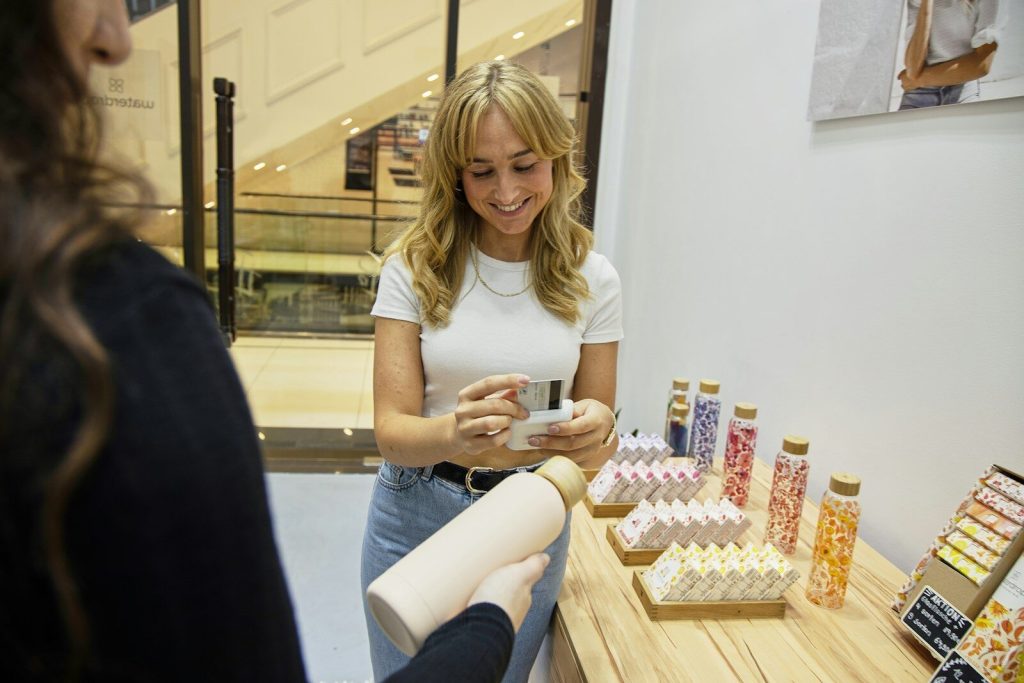
Experiential marketing creates opportunities for direct participation. Visitors might try a skincare product, speak with someone who understands its ingredients or discover how a new item fits into their routine.
If you’re preparing a product launch that needs sampling, retail space or an in-person demonstration, an experiential marketing agency can help turn that requirement into a workable campaign. London-based Backlash develops concepts and manages pop-up shops, retail activations and roadshows, handling elements from location sourcing to design and installation.
A customer may leave with a better understanding of how a product works after speaking to someone who can answer their questions. That conversation can influence a purchase decision, although it does not guarantee a sale.
Let Digital and Physical Activity Do Different Jobs
Moving part of a campaign budget into experiential activity does not mean switching off paid social or search advertising.
Consider a beauty brand launching a new fragrance. Digital advertising could introduce the product and encourage people to attend a temporary retail space. At the venue, visitors could sample it and speak with representatives before deciding whether to buy.
Afterwards, photographs and video from the activation could support the brand’s online channels, extending the campaign beyond those who attended.
The physical format depends on the audience and the intended experience. A pop-up might give an online-only brand its first temporary retail presence. An activation inside an existing department store could introduce a product to shoppers already browsing that category.
Roadshows offer another possibility for brands looking to reach customers in multiple UK cities. Each location still needs to justify the cost rather than being added to a tour for the sake of wider coverage.
Work Backwards From What Customers Should Do
Before taking money from a digital campaign, decide what the physical activity is supposed to achieve and how you’ll measure success.
A sampling campaign may be judged by how many people complete a product trial. A retail launch might focus on purchases, while a brand awareness campaign may be more interested in meaningful conversations and the time visitors spend with the experience.
Measurements should reflect those differences.
- Product trials show how many visitors tested the product rather than passing the display.
- Dwell time records how long people stayed at the activation, although a longer visit does not automatically mean greater purchase interest.
- Qualified enquiries can indicate whether visitors match the intended customer audience.
- Sales and follow-up activity may help assess commercial outcomes where suitable tracking is available.
It is also worth calculating the cost per completed interaction. If a £20,000 activation produces 2,000 completed product trials, that works out at £10 per trial.
This gives marketing teams a useful figure for budget discussions, although it should not be treated as equivalent to a digital click or proof of a sale.
Account for the Costs That Digital Campaigns Do Not Have
A physical activation comes with expenses that are easy to underestimate when the initial idea is still being discussed.
A pop-up at Westfield London may involve venue charges, design, construction, transport, personnel, insurance and eventual removal. A roadshow adds vehicle arrangements and the practical costs of moving between locations.
There is also the time needed to secure a suitable space. For a bespoke London pop-up, allowing three to six months for planning can be sensible, depending on the build and venue arrangements. Smaller activities may have shorter schedules, but availability and approval requirements need checking before dates are promised.
Brands should establish who is responsible for venue permissions, risk assessments, installation and the people representing the product.
An activation that looks affordable at concept stage may become difficult to justify once these costs are included. Getting an itemised budget early gives the marketing team something concrete to take to finance.
Recognise When Digital Is Still the Better Choice
Experiential marketing will not suit every campaign, particularly when a brand needs broad geographical reach on a limited budget.
A company selling a digital service that can be demonstrated remotely might achieve more with a carefully targeted online campaign than a temporary physical space. A product launch with only a few weeks remaining may also be poorly suited to a custom-built pop-up.
Location creates another limitation. A busy shopping centre is not automatically the right place for every brand. High footfall offers little benefit if most visitors have no interest in the product, so consider the local customer base before committing to a venue.
Physical activity also requires people to attend at a particular time and place. Digital advertising can continue reaching customers outside those hours and across a much wider area.
Before changing the budget, consider whether the product genuinely benefits from being experienced in person and whether enough suitable customers can be reached to justify the cost.
What a Limited Trial Can Tell You
For brands considering their first physical campaign, testing one location may be more useful than committing immediately to a multi-city programme. Agree on the budget and what you want visitors to do before the event, whether that means trying a product, asking for a follow-up or making a purchase.
If you collect contact details, explain how they will be used and check the requirements for follow-up marketing. Afterwards, review what visitors actually did and compare those results with the total campaign cost.
An activation that attracts plenty of visitors but few product trials may need a different venue or format. If it reaches the intended customers and produces worthwhile results, there is a stronger case for funding another. Either outcome gives the next budget discussion something more useful than assumptions.