10 Must-Have Tools to Improve Your Work-from-Home Setup
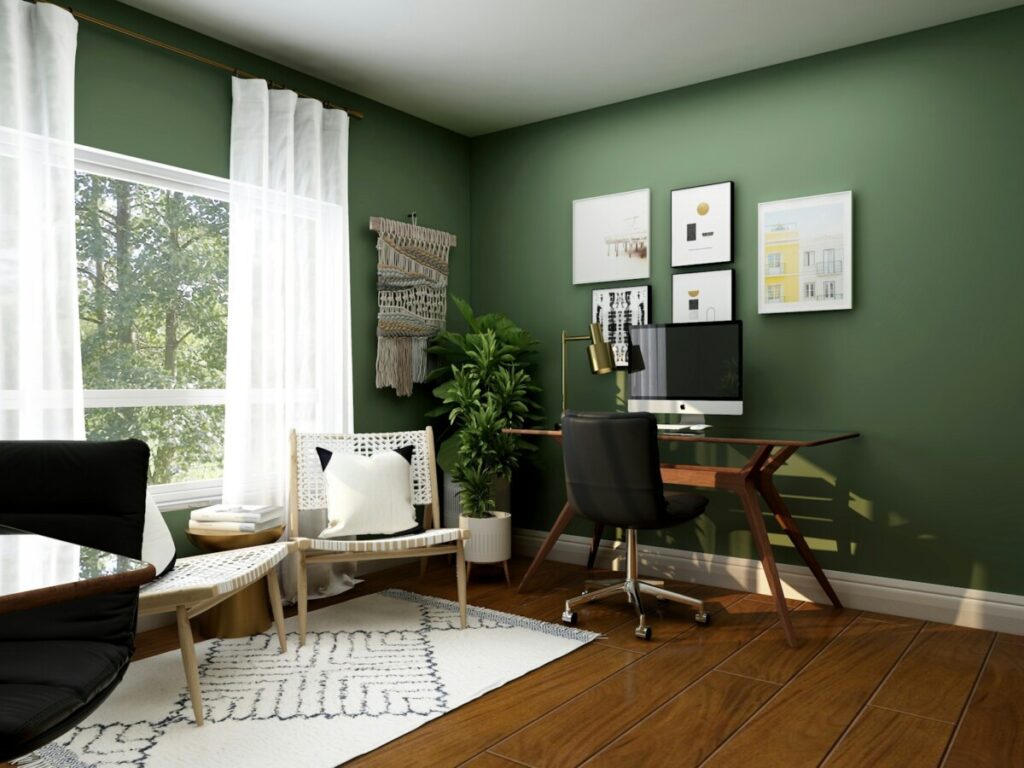
Working from home feels very different from working in an office. In the office, everything is already designed for work. There’s a proper desk, a comfortable chair, bright lighting, and a quiet (most of the time) environment. You can focus because the space tells you to focus.
At home, it’s not always like that. You might be sitting at the kitchen table. You might hear noise from outside. Your internet may cut out at the worst moment. It’s harder to get into work mode when your home reminds you of everything else you could be doing.
Your setup can either boost or neglect your working experience depending on the tools you have at your disposal. These ten home office supplies in particular, can make working from home smoother and less stressful.
How working from home changes your day
Office routines guide tend to guide how we work. You arrive, talk to colleagues, attend meetings, take breaks, and then go home. The physical change of location can also tell your brain that the workday is finished.
At home, the structure disappears. Work can easily spill into personal time. You might start later and finish later. You might skip breaks. You might even feel like you’re always switched on.
1. A supportive desk chair
When you sit in the same place all day, you feel the results. A chair without support leaves you sore and tired. A quality desk chair helps you sit upright and keeps your back comfortable. It means you can work longer without constantly shifting around.
If you can, choose a chair with:
- Adjustable height
- Good lower-back support
- Plenty of padding
If a new chair isn’t possible, you can always add a small cushion behind your lower back to reduce any discomfort.
2. A suitable office desk
A dedicated office desk helps you separate work from the rest of life. It gives you a place to concentrate specifically on the task at hand.
You don’t always need a huge desk, especially if you lack the space. You just need enough room for your computer, a notebook, and a little space to move your arms.
3. A computer that can handle your workload
A slow computer makes simple tasks take longer. When your device freezes or struggles with video calls, you lose focus and patience. You want a computer that opens files quickly and supports your daily tasks without delay.
If your computer feels slow try to:
- Remove programs you don’t use
- Clear old files you no longer need
- Restart your system more often
- Add more memory if possible
If your computer can no longer meet your work needs it may be the case of upgrading. There are plenty of options out there and you can even save money by taking advantage of deals at certain times of the year like black friday.
4. A second monitor
Using two screens can transform the way you work, especially for multitasking. At home, a single laptop screen can feel cramped, so a second monitor gives you more room to spread out your work.
You can write on one screen and reference documents on the other. You spend less time switching between tabs. It makes work faster and feels more natural.
5. A comfortable keyboard and mouse
Laptop keyboards and trackpads are fine for travel, but not always great for full-day use. They encourage you to lean forward, which can strain your neck and wrists.
A separate keyboard lets you sit back properly, while a mouse also gives you better control. These are small upgrades that make a big difference in comfort and won;t set you back much money if you know where to buy from.
6. A way to reduce noise
Homes are full of distractions and your household has its own schedule that doesn’t always match your work.
Noise-canceling headphones help you stay focused. You can play quiet music or background noise to block interruptions. With fewer distractions, you complete tasks quicker and with less stress.
7. Better lighting
In the office you usually have all the lighting you could need, but at home it’s a different scenario.
Good lighting helps keep you alert whereas poor lighting can make you feel tired and gives you headaches. Try to place your desk near a window so you get natural light during the day.
A simple desk lamp helps when it gets darker outside. Bright, even lighting helps you see clearly and pay attention to what you’re doing.
8. Better video call setup
Video calls are now a normal part of working life. If your coworkers can see you clearly and hear you well, communication improves.
You don’t need to go out and buy lots of expensive equipment. A basic webcam and a simple microphone or headset are often enough. Clearer sound and picture are essential for making your meetings smoother and less awkward.
9. Strong and stable internet
When your internet drops, your work stalls. Files take longer to upload. Calls freeze and you miss important information. Your mobile data is a fallback solution but not viable in the long-term
To improve your connection you can try to:
- Move your router closer to your workspace
- Use an Ethernet cable if you can
- Reset your router regularly
If you find your current internet is causing issues on a regular basis, it may be the case of switching providers.
10. Simple organisation tools
Without organisation, tasks pile up in your head. You may forget deadlines or lose track of what you needed to do.
Basic tools help such as:
- A notebook for jotting down ideas
- A planner or calendar to keep track of dates
- A few folders for all your important papers
- Decorations to make your desk more vibrant
You can pick up any of these items from your local office stationery supplier or order from the many online retailers.
Why comfort matters
When you feel uncomfortable, your attention wanders. When your workspace supports your body, you stay focused on your tasks instead of your aches.
A comfort-led setup can lead to:
- Better posture
- Less pain
- More energy
- Higher productivity
Start with what you need most
Look at your current home office setup and think about what aspects of your workspace slow you down the most. If you suffer from back pain, the ideal solution will be to upgrade your desk chair.
Fix one problem first. Then move on to the next. Over time, your workspace becomes a place where you can work comfortably and confidently.
Build a space that works for you
Working from home is now a normal part of many jobs. That means your workspace isn’t temporary. It matters. It affects how you feel every day. You deserve a setup that supports you along with tools that help you succeed.
With the right environment, work can feel less like a struggle and more like something you can handle. It helps you focus when you need to and relax when you’re finished. That balance is what makes working from home truly work.