Eco-Friendly Lawn Care: Sustainable Alternatives to Traditional Mowing

Lawn care is an essential aspect of homeownership and landscaping, but traditional methods often come with a hefty environmental cost. Gas-powered mowers, synthetic fertilizers, and overwatering are not only resource-intensive but also contribute to pollution and climate change. Fortunately, there are sustainable alternatives that can transform your lawn maintenance routine into an eco-friendly practice. In this article, we explore practical and environmentally conscious methods for keeping your lawn lush and green while reducing your ecological footprint.
Conventional lawn care practices have a significant impact on the environment. Gas-powered lawn mowers emit greenhouse gases, with one hour of mowing producing as much pollution as driving a car for 100 miles. Chemical fertilizers and pesticides can leach into groundwater, harming aquatic ecosystems and contaminating drinking water. Additionally, traditional irrigation practices often lead to water wastage, with much of it lost to evaporation or runoff.
Adopting sustainable lawn care practices benefits not only the planet but also your wallet and health. Eco-friendly methods can reduce utility bills, limit exposure to harmful chemicals, and create a thriving ecosystem in your backyard. Let’s explore some of these alternatives.
Choose an Electric or Manual Mower
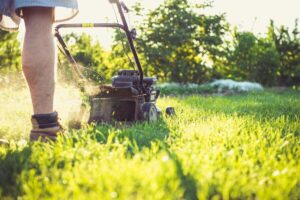
One of the simplest ways to reduce your environmental impact is to switch to an electric or manual mower. Electric mowers, particularly battery-powered ones, produce zero emissions during operation and are much quieter than their gas-powered counterparts. Manual reel mowers, on the other hand, are entirely human-powered, making them the most eco-friendly option available.
While electric mowers require an initial investment, they often pay for themselves over time due to lower fuel and maintenance costs. Many models are also lightweight and easy to manoeuvre, making them suitable for small to medium-sized lawns. Manual mowers are ideal for small yards and provide the added benefit of a quiet, low-maintenance operation.
Embrace Native Grasses and Ground Covers
Another sustainable strategy is to replace traditional turfgrass with native grasses or alternative ground covers. Native plants are well-adapted to local climates and soil conditions, requiring less water and fewer chemical inputs. They also provide habitat for pollinators and other beneficial wildlife.
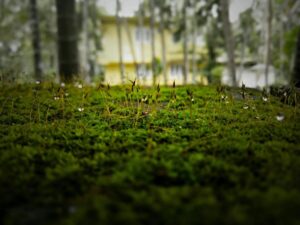
Low-maintenance ground covers such as clover, creeping thyme, or moss can serve as excellent substitutes for conventional grass. These plants are drought-tolerant, resistant to pests, and naturally suppress weeds, reducing the need for mowing and herbicides. Over time, these alternatives can save you significant time and resources.
Compost and Use Organic Fertilizers
Synthetic fertilizers are a major source of pollution in traditional lawn care, but there are greener options available. Composting kitchen scraps, yard waste, and grass clippings creates a nutrient-rich soil amendment that can be applied to your lawn. Compost not only provides essential nutrients for healthy grass growth but also improves soil structure and promotes water retention.
Organic fertilizers, derived from natural sources such as bone meal, seaweed, or poultry manure, are another excellent alternative. These products release nutrients slowly, minimizing the risk of over-fertilization and runoff. When combined with compost, organic fertilizers can support a thriving, eco-friendly lawn.
Practice Smart Watering
Water is a precious resource, and conserving it is a key component of sustainable lawn care. Instead of watering on a fixed schedule, adopt a “water when needed” approach. Monitor soil moisture levels and aim to water deeply but infrequently to encourage deep root growth.
Installing a rain barrel is another effective way to reduce water waste. Rain barrels collect and store runoff from your roof, providing a free and sustainable water source for your lawn and garden. Drip irrigation systems and soaker hoses can also improve water efficiency by delivering moisture directly to plant roots.
Leave Grass Clippings on the Lawn
Instead of bagging and disposing of grass clippings, leave them on the lawn to decompose naturally. This practice, known as “grass cycling,” returns valuable nutrients to the soil and reduces the need for additional fertilizers. Grass clippings also help retain soil moisture and suppress weeds, further supporting a healthy and sustainable lawn.
Reduce Lawn Size
Consider reducing the size of your lawn by incorporating more garden beds, trees, or hardscaping elements such as pathways and patios. Shrinking your lawn not only decreases the amount of mowing required but also creates opportunities for biodiversity. Native shrubs, flowers, and trees can provide habitat for birds, bees, and butterflies, enhancing the ecological value of your outdoor space.
Partner with Experts
If you’re unsure where to start with sustainable lawn care, consult with professionals or retailers specializing in eco-friendly gardening equipment and practices. For example, Garden Machinery Direct offers a wide range of electric mowers, manual tools, and other environmentally friendly lawn care solutions. Their expertise can help you find the right products and techniques for your specific needs.
In Conclusion
Eco-friendly lawn care is not only achievable but also rewarding. By adopting sustainable practices such as using electric mowers, planting native grasses, and conserving water, you can enjoy a beautiful lawn while protecting the environment. Small changes can make a big difference, and with the right tools and knowledge, anyone can create a greener, healthier outdoor space. So, take the first step today and embrace sustainable alternatives for a better tomorrow.